You’ve just landed in Istanbul. The call of the Bosphorus, the scent of fresh simit, the buzz of the Grand Bazaar - it’s all thrilling. But after a long flight, a day of wandering, or a week of nonstop sightseeing, your body is screaming for relief. That’s where a great massage comes in. Not just any massage. The best massage in Istanbul - the kind that melts stress, resets your nervous system, and leaves you feeling like a new person.
Key Takeaways
- The best massages in Istanbul blend ancient Turkish traditions with modern wellness techniques.
- Stick to licensed spas in Beyoğlu, Nişantaşı, or Kadıköy to avoid sketchy spots.
- Hammam rituals with full-body scrub and foam massage are a must-try.
- Prices range from 250 TL for a basic session to 1,200 TL for luxury private villas.
- Always confirm what’s included - oils, tea, steam, and aftercare matter as much as the hands on your back.
What Makes a Massage "Best" in Istanbul?
Not all massages are created equal. In Istanbul, the "best" isn’t just about strong hands or a fancy name. It’s about the full experience. Think of it like a meal: the ingredients, the chef, the ambiance, and the service all matter.Here, you’ll find everything from traditional Turkish hammam treatments to Thai stretches, Swedish relaxation, and even tantric sessions. But the real standout? Places that understand the rhythm of the city. They know you’ve been on your feet all day, your shoulders are locked, and your mind is still replaying that 10th mosque you visited.
The best therapists don’t just rub your back - they listen. They adjust pressure based on your breathing. They notice if you tense up when the music gets too loud. They know that for many travelers, this isn’t just a treat - it’s a reset button.
Types of Massage You’ll Find in Istanbul
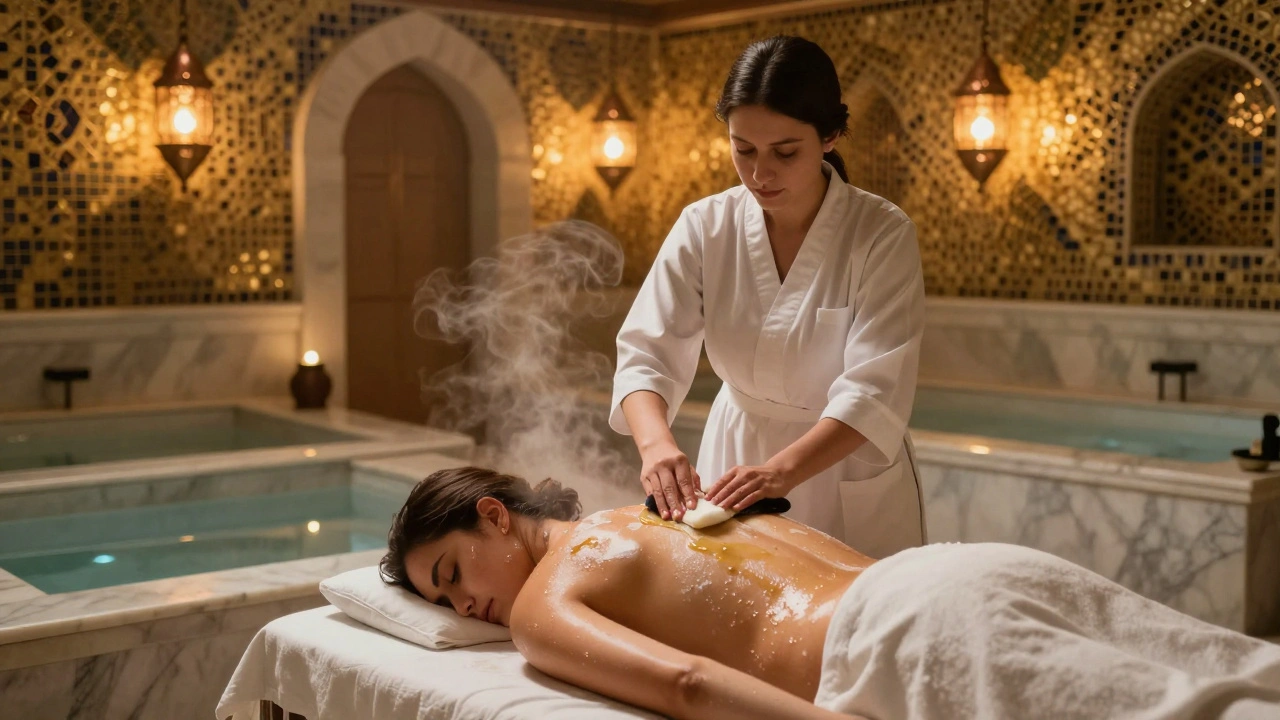
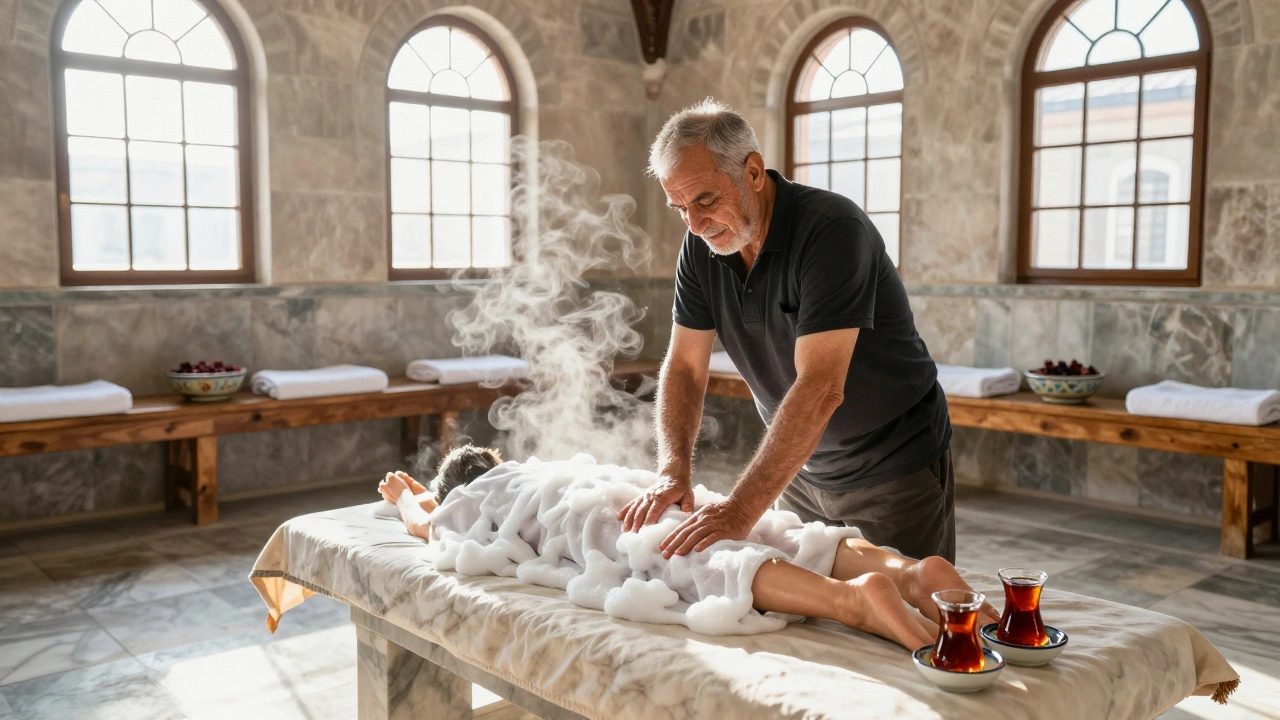
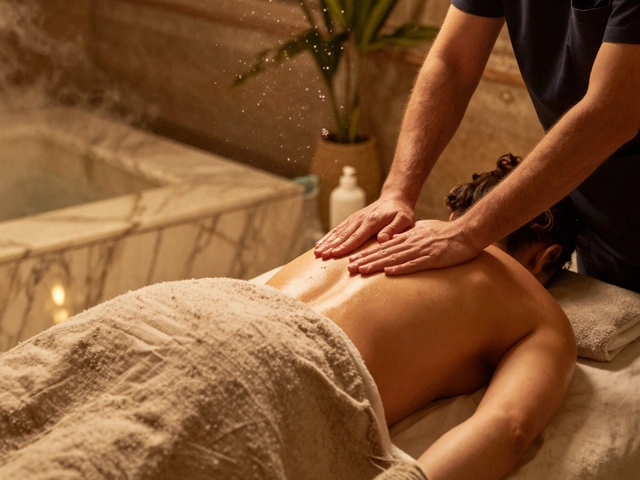
Istanbul’s massage scene is wildly diverse. Here’s what’s actually available - not just what’s advertised online.- Turkish Hammam Massage: This is the city’s crown jewel. You start in a steam room, then get a vigorous exfoliation with a kese (loofah glove), followed by a foam massage with olive-oil soap. It’s not relaxing - it’s transformative. Your skin feels newborn.
- Swedish Massage: Gentle, flowing strokes. Ideal if you’re recovering from jet lag or just want to unwind without the intensity of a hammam.
- Thai Massage: Done on a mat, no oils. The therapist uses their hands, elbows, and feet to stretch and compress your body. It feels like yoga, but someone else is doing all the work.
- Deep Tissue: For the traveler with chronic shoulder pain from carrying a backpack. Focused pressure on knots. Not for the faint of heart.
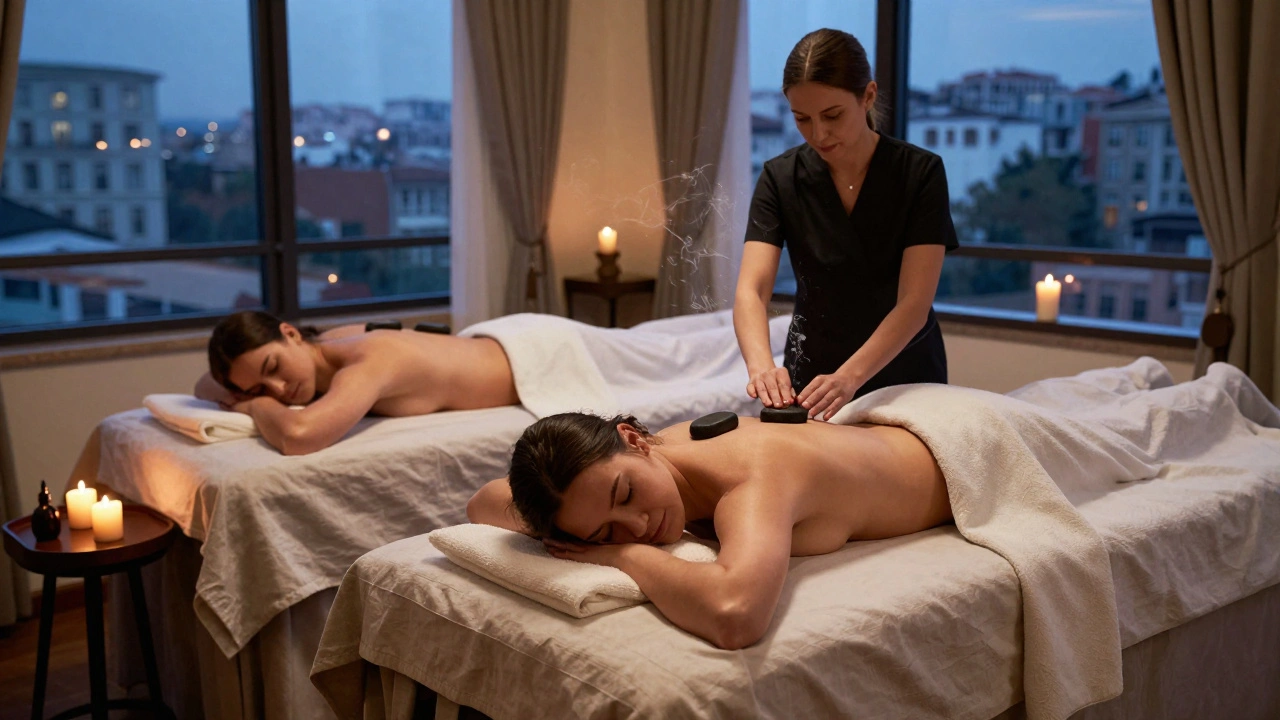
- Couples Massage: Two tables, side by side, in a candlelit room. Perfect for partners who want to relax together - and yes, it’s surprisingly common here.
- Hot Stone Massage: Smooth, heated basalt stones glide over your back. Feels like a warm hug from the inside.
Pro tip: Skip the places that only offer "happy ending" services unless you’re specifically looking for that. Most serious spas don’t advertise it - and the best ones don’t need to.
Where to Find the Best Massage in Istanbul
Location matters. You don’t want to end up in a backroom above a kebab shop. Here are the neighborhoods where quality is consistent:- Beyoğlu: Especially along İstiklal Avenue and the side streets. You’ll find a mix of modern spas and historic hammams. Try HamamÖzen a restored 19th-century Ottoman bath with certified therapists and private suites - it’s quiet, elegant, and never crowded.
- Nişantaşı: Upscale, discreet, and full of wellness-focused boutiques. Spa at The Marmara offers Swiss-trained therapists, aromatherapy blends, and post-massage herbal infusions.
- Kadıköy: On the Asian side, this is where locals go. Less touristy, more authentic. Çağlayan Hamamı a 600-year-old public bath that still operates with traditional methods - go early, before 10 AM, for the best experience.
- Beşiktaş: Hidden gems here. Look for small, family-run studios near the ferry docks. They often use local herbs like sage and thyme in their oils.
Use Google Maps and filter by "Spa" or "Hammam." Then check reviews from the last 3 months. If the same 3-5 names keep popping up - that’s your shortlist.
What to Expect During a Session
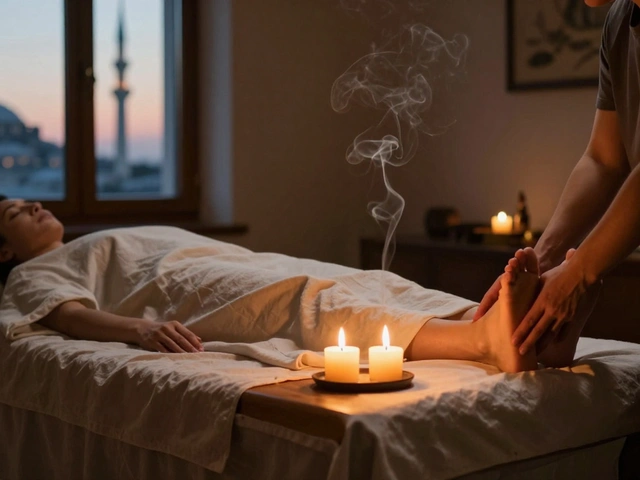
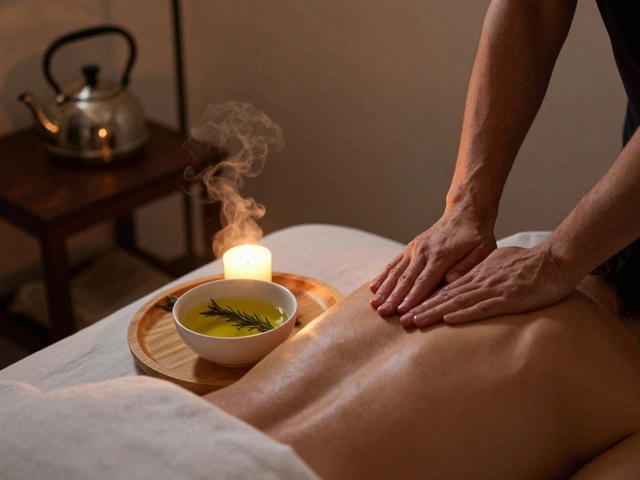
Picture this: You walk into a dim room with the scent of lavender and eucalyptus. Soft music plays - maybe ney flute, maybe ambient piano. You’re offered warm herbal tea. You change into a robe, lie down, and the therapist enters silently.They don’t dive in. They start with your feet, then calves, then back. Each movement is deliberate. You’ll feel pressure build slowly - never sudden. If you’re in a hammam, you’ll be scrubbed with a rough glove until your skin glows. Then, you’re wrapped in warm towels while they massage you with warm oil. The whole thing takes 60 to 90 minutes.
Most places include:
- Steam room or sauna access
- Foot soak before the massage
- Herbal tea or lemonade after
- Light snack - often dried figs or nuts
- A small bottle of oil to take home
Don’t rush out. Stay for the tea. That’s part of the ritual. It’s when your body finally lets go.
Pricing and Booking
Prices vary wildly. Here’s what you’ll actually pay in early 2026:- Basic Hammam (public bath): 250-400 TL (includes scrub, foam, towel)
- Standard Massage (60 min, Swedish/Deep Tissue): 500-750 TL
- Luxury Spa (90 min, hot stone, aromatherapy): 900-1,200 TL
- Couples Package (120 min, private room): 1,400-1,800 TL
Booking is easy. Most places accept walk-ins, but if you want a specific time - especially on weekends - book ahead. Use their website, WhatsApp, or Instagram DM. Many spas in Istanbul don’t have English-speaking staff on the phone, but they all respond quickly on WhatsApp. Just send: "I want a 60-minute Swedish massage on Saturday at 4 PM. My name is Alex."
Payment is usually cash (Turkish Lira) or credit card. No tipping required - it’s included in the price.
Safety Tips
Istanbul is generally safe, but massage scams exist. Here’s how to avoid them:- Don’t follow strangers. If someone on the street says, "Best massage, very cheap!" - walk away. Real spas don’t recruit on sidewalks.
- Check licenses. Look for a certificate on the wall. It should say "Sağlık Bakanlığı Onaylı" - approved by the Ministry of Health.
- Know the room. If the massage room has a locked door, curtains that don’t close fully, or no shower access - leave.
- Ask about oils. Some places use cheap, scented oils that cause rashes. Reputable spas use organic almond, jojoba, or olive oil.
- Speak up. If the pressure is too hard or too light, say so. Good therapists welcome feedback.
Comparison: Hammam vs. Spa Massage in Istanbul
| Feature | Hammam Massage | Spa Massage |
|---|---|---|
| Duration | 90-120 minutes | 60-90 minutes |
| Intensity | High (scrubbing, vigorous massage) | Low to Medium (gentle to deep pressure) |
| Best For | Detox, skin renewal, cultural experience | Stress relief, muscle recovery, relaxation |
| Location | Historic bathhouses (Kadıköy, Beyazıt, Sirkeci) | Luxury hotels, boutique spas (Nişantaşı, Beşiktaş) |
| Aftercare | Rest in cool room, herbal tea | Quiet lounge, aromatherapy, optional foot bath |
| Price Range (TL) | 250-600 | 500-1,800 |
Frequently Asked Questions
Is it safe to get a massage in Istanbul as a solo traveler?
Absolutely. Many women and solo travelers get massages here every day. Stick to well-reviewed places in Beyoğlu, Nişantaşı, or Kadıköy. Avoid places that don’t have clear signage, proper uniforms, or a reception area. Most spas have female therapists available upon request - just ask when booking.
Do I need to speak Turkish to get a massage?
No. Most reputable spas have staff who speak English, especially in tourist areas. But if you’re going to a traditional hammam, a few simple phrases help: "Hafif" (light), "Şiddetli" (strong), "Teşekkür ederim" (thank you). A smile goes further than a language barrier.
Can I get a massage if I’m pregnant?
Yes - but only at spas that specialize in prenatal massage. Avoid hammams during the first trimester. Look for places that offer "Hamileler İçin Masaj" (Pregnancy Massage). They use special positioning, avoid pressure points, and use gentle oils. Always tell them you’re pregnant before they start.
How often should I get a massage while traveling in Istanbul?
Once is enough for most travelers - it’s an experience, not a routine. But if you’re staying longer, a second session after 3-4 days helps. Many people book one after a long day of walking and another before they leave. Don’t overdo it - your body needs time to process the detox.
Are there vegan or fragrance-free options?
Yes. Some spas, like Herbal Spa Istanbul a boutique wellness center in Kadıköy offering organic, plant-based oils and unscented treatments, specialize in clean, hypoallergenic treatments. Just ask when booking. They’ll use coconut or sunflower oil instead of almond, and skip essential oils if you’re sensitive.
There’s something profoundly human about how Istanbul’s hammams treat massage not as a service, but as a ritual-like a silent conversation between your body and the city’s history.
I’ve had massages in Tokyo, Bali, and Berlin, but none made me feel like I was being gently reassembled the way this one does.
The scrubbing isn’t just exfoliation; it’s a metaphor. You’re being stripped down-not just of dead skin, but of the weight you didn’t realize you were carrying.
And then, the foam massage: warm, rhythmic, almost meditative. It’s not about relaxation-it’s about release.
That moment when the therapist pauses, just for a second, to let the warmth sink in? That’s not technique-that’s intention.
I’ve thought about it for weeks since I left. How rare it is to be touched with such quiet respect.
Most spas sell a product. Istanbul sells a return.
Not to comfort.
But to yourself.
And honestly? That’s worth every lira.
YOU NEED TO KNOW THAT THE HAMMAM AT ÇAĞLAYAN ISN’T JUST A HAMMAM-IT’S A TIME MACHINE, AND IF YOU DON’T GO BEFORE 10 AM, YOU’RE NOT JUST WASTING YOUR MONEY, YOU’RE WASTING YOUR SOUL.
AND DON’T EVEN THINK ABOUT USING ‘SCENTED OILS’-IF THEY USE LAVENDER, RUN. IT’S NOT A SPA, IT’S A TOURIST TRAP.
THEY USE OLIVE OIL-NOT ALMOND, NOT COCONUT-OLIVE. O-L-I-V-E. AND IF THEY DON’T HAVE A MINISTRY OF HEALTH CERTIFICATE ON THE WALL, YOU’RE IN A BACKROOM WITH A GUY WHO LEARNED MASSAGE FROM A YOUTUBE VIDEO.
ALSO-NO TIPPING? REALLY? THAT’S NOT A THING IN TURKEY. YOU’RE SUPPOSED TO LEAVE 10-15%-IT’S CULTURE. DON’T BE THAT GUY.
AND THE TEA? IT’S NOT ‘HERBAL TEA’-IT’S LEMON WITH MINT, AND IF THEY DON’T SERVE IT IN A HAND-BLOWN GLASS, THEY’RE LYING.
For anyone reading this and thinking, ‘I’m just here for a quick back rub’-you’re missing the point.
The real magic isn’t in the oil or the pressure or even the steam-it’s in the silence.
At a good hammam, no one talks. No one rushes. The therapist doesn’t ask if you want ‘more pressure’-they just know.
I went to HamamÖzen because it was recommended, but stayed because the woman who massaged me didn’t say a word for 45 minutes… and then, at the very end, whispered ‘Bir daha gel’-‘come again’-like she meant it.
That’s the difference between a service and a memory.
And if you’re skeptical about the 90-minute duration? Trust me-it feels like 30.
Also, the dried figs? They’re not an afterthought. They’re the dessert after a spiritual meal.
Don’t book the cheapest one. Don’t book the most expensive one.
Book the one that feels like it remembers you-even if you’ve never been there before.
Let me just say this: if you’re traveling solo and you’re nervous about getting a massage in Istanbul-you’re not alone.
I went in skeptical, half-expecting a scam, and walked out crying.
Not because it hurt.
Because it didn’t.
For the first time in years, I didn’t feel like I had to be ‘on.’ No agenda. No itinerary. Just warmth, quiet, and someone who knew exactly how hard to press on the knot between my shoulder blades.
And when they handed me that little bottle of olive oil? I didn’t just take it-I hugged it.
That’s not a spa.
That’s a lifeline.
Do it. Just do it.
And if you’re worried about language? Smile. Nod. Say ‘hafif’ once. That’s all you need.
They’ll take care of the rest.
The cultural depth of Istanbul’s massage traditions is remarkable, particularly the preservation of Ottoman-era hygiene and therapeutic practices in public hammams.
It is worth noting that the integration of herbal infusions, thermal regulation, and manual therapy reflects a sophisticated understanding of somatic wellness that predates modern spa culture by centuries.
Furthermore, the absence of tipping as a social expectation aligns with broader Turkish norms of service professionalism and dignity, which should be respected by visitors.
While luxury spas offer refined experiences, the authenticity of traditional baths such as Çağlayan Hamamı cannot be replicated in commercialized settings.
Travelers are encouraged to prioritize historical institutions with documented operational continuity, as these preserve not only technique but collective memory.
As a frequent traveler, I have found that the most enduring travel memories are not those of grand monuments, but of quiet, unassuming rituals-like lying still in a steam room, listening to the drip of water, and feeling the weight of the world dissolve.