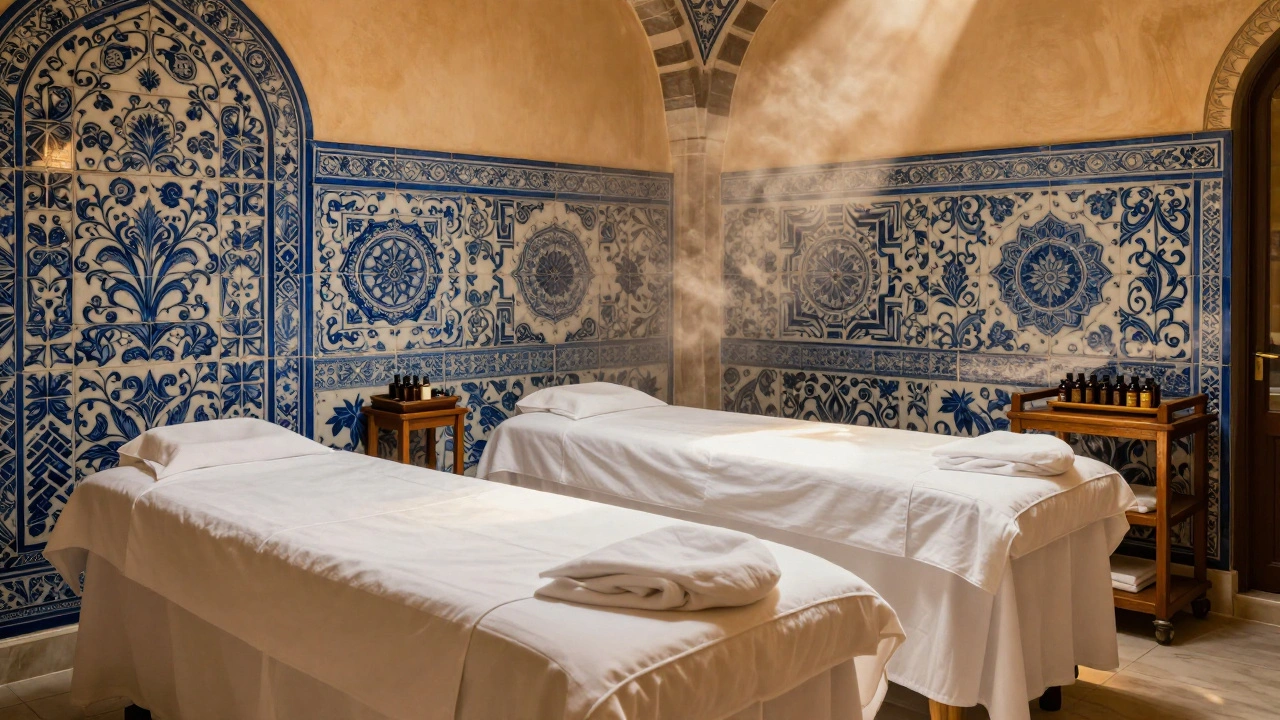
The Couple’s Roadmap to Total Relaxation
Imagine walking into a serene room, sharing a moment of silence while two therapists work in sync. That is the promise of couples massage, a service designed for connection and deep restoration. In a city like Istanbul, where tradition meets modern luxury, finding the right experience can feel overwhelming. You might have seen ads everywhere, but do you really know what you are signing up for?
Many first-timers skip straight to booking without checking the fine print. They show up late, wear the wrong clothes, or arrive hungry. This creates friction before the session even begins. A proper checklist ensures you avoid these common pitfalls. We want you to walk out feeling rejuvenated, not confused.
| Priority Item | Why It Matters | Action Step |
|---|---|---|
| Hygiene & Cleanliness | Prevents infection and enhances relaxation | Check linen freshness upon arrival |
| Pressure Preferences | Avoids pain and injury | Discuss with both therapists immediately |
| Pricing Transparency | No hidden fees or surprise charges | Confirm total cost including VAT/tax upfront |
Defining the Experience: More Than Just Side-by-Side Tables
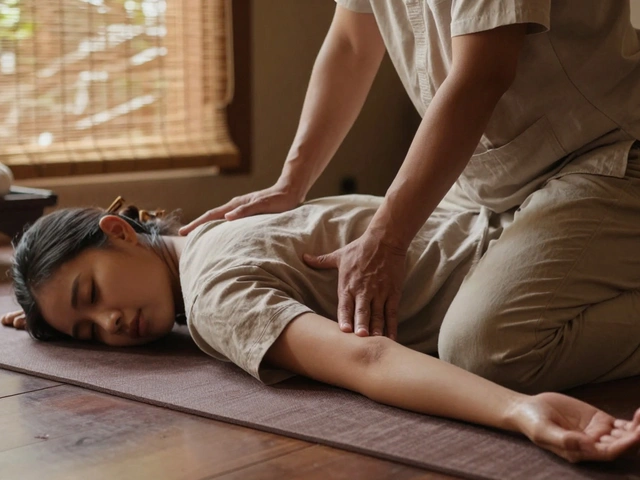
When people ask about couples massage, they often think it is just two tables pushed together. While that is part of the setup, the essence lies in the synchronized rhythm. Professional Therapists in top-rated spas coordinate their movements. One partner works on a back stretch while the other focuses on tension release. This coordination mirrors your own relationship-balance is key.
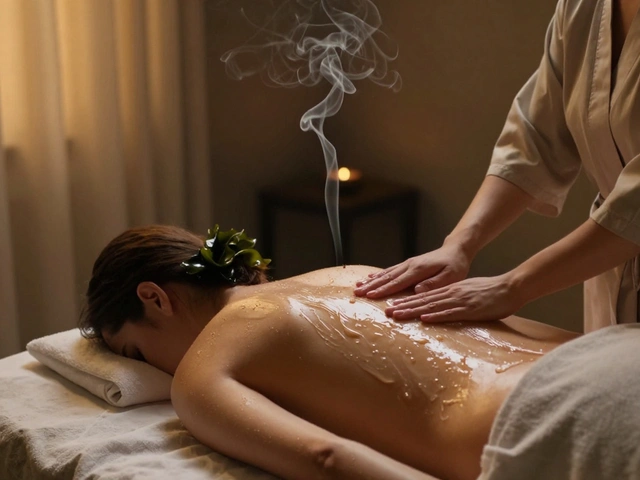
In the context of Turkish wellness culture, this experience blends ancient techniques with modern comfort. Unlike a standard solo session, the environment caters to pair dynamics. Lighting is dimmed to reduce visual distraction, and the playlist often features harmonious frequencies known to lower heart rates. You aren’t just buying a service; you are entering a shared sanctuary.
The Hidden Benefits: Why Couples Choose This Path
You might wonder why you would pay extra for a joint session compared to booking separately. The answer isn’t just about romance. It is about shared regulation. When you relax together, your bodies tend to sync up physiologically. Studies in psychophysiology show that mutual relaxation lowers cortisol levels in both partners more effectively than individual sessions.
Beyond the science, there is emotional utility. Life gets chaotic, especially in busy urban centers. Taking sixty minutes to simply lie down side-by-side breaks the cycle of constant noise. It signals to your brain that you are safe and supported. Furthermore, discussing the experience afterward deepens communication about stress points you might not share otherwise. It becomes a conversation starter rather than just a spa bill.
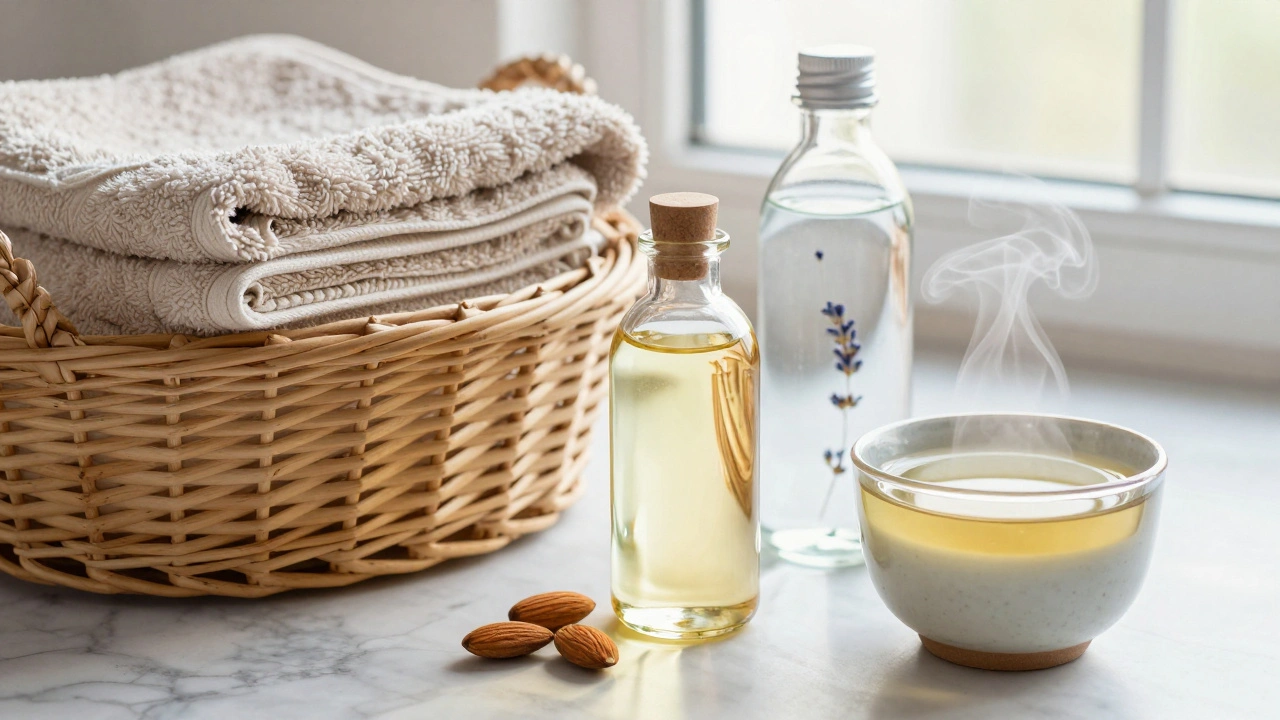
Types of Treatments Available Locally
Not all sessions are created equal. You will see various options listed on spa menus across the Golden Horn and beyond. Knowing the difference helps you choose the right intensity.
- Swedish Couples Massage: This is the gold standard for beginners. Long strokes, kneading, and circular motions circulate blood gently. It is purely relaxing.
- Deep Tissue Therapy: Targeted pressure on chronic knots. This requires tolerance for discomfort. Not recommended if you have acute injuries.
- Hot Stone Therapy: Heated basalt stones placed on muscles. Excellent for winter months in Istanbul when temperatures drop.
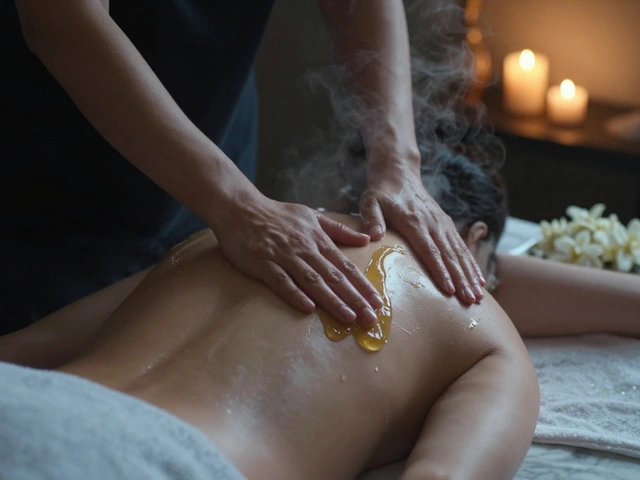
- Aromatherapy: Essential oils like lavender or eucalyptus used during the rub. Great for sensory sensitivity issues.
If you are visiting specific districts like Nişantaşı or Kadıköy, high-end resorts often offer specialized packages. Smaller boutique studios in historic districts might focus on traditional oil techniques derived from Ottoman traditions. Always verify what specific oils they use, as some guests have severe allergies.
How to Find Reputable Services
With so many options online, finding a trustworthy venue is a skill. Reviews can be faked, and photos edited. Here is how you filter for quality without relying solely on Google ratings.
- Verify Licensing: Look for health department certifications posted visibly in the lobby. Legitimate businesses in Turkey display these near the reception desk.
- Contact Method: Call ahead. If they hesitate to answer basic questions about duration or hygiene, proceed with caution. Professional staff answer clearly.
- Physical Inspection: If possible, walk past the facility. Is the entrance clean? Does the smell indicate fresh oils or stale chemicals?
- Consult Local Concierge: If staying at a hotel, ask the concierge specifically about wellness centers they trust. Their reputation is tied to their referrals.
In neighborhoods like Beşiktaş or Şişli, competition is high. Good venues keep themselves updated with international standards. Avoid places that rely heavily on street solicitation, as these often lack proper hygiene controls.
What to Pack and How to Prepare
Walking into a treatment room unprepared can ruin the mood. You want your body ready for absorption. Eat a light meal at least ninety minutes before arrival. Heavy meals divert blood flow to digestion, making the massage less effective.
Dress code matters too. Most facilities provide robes, but bring loose cotton clothing. Tight synthetic fabrics trap heat and bacteria after the session. Shower before arriving if you haven’t done so already. You want to minimize transferring dirt to the clean linens. This respect for the space improves the therapist’s attitude toward you significantly.
If you have sensitive skin, bring your own oil sample. Some salons use generic mineral oils, which clog pores. Natural alternatives like jojoba or almond oil are preferable. Mention any recent surgeries or injuries when booking. The therapist needs to know exactly where to avoid contact.

Pricing and Booking Logistics in 2026
Costs vary wildly depending on the district and the star rating of the venue. As of early 2026, a standard sixty-minute session in mid-range establishments typically ranges between $80 and $120 per person. Luxury five-star hotels may charge upwards of $150 per head.
Do not forget tipping culture. While not mandatory, leaving 10% to 15% of the bill is customary for excellent service. Ask the front desk if service charge is included. Many places advertise "all-inclusive," but tax (VAT) often remains separate. Clarify this before handing over your card.
Booking window matters too. During peak tourist seasons (May through September), popular times fill weeks in advance. Weekdays offer better availability and sometimes discounted rates. Late-night slots can be trickier as some smaller venues close earlier due to curfew regulations.
Safety Protocols and Etiquette
Your safety comes first. Always inspect the sheets before lying down. Fresh, white linens are non-negotiable. If they look wrinkled or stained, request a change immediately. A reputable establishment will comply without question.
Boundaries are essential. The massage area should remain professional. If any behavior feels inappropriate, speak up immediately. Silence is not consent. In a healthy professional setting, therapists maintain a respectful distance and only touch areas necessary for therapy.
Maintain hydration afterward. Massage pulls toxins into the bloodstream. Drink water consistently for the next four hours to help flush your system. Avoid alcohol directly after the session, as your blood pressure drops naturally during treatment.
| Feature | Couples Suite | Private Rooms |
|---|---|---|
| Synchronization | Coordinated timing | Independent timing |
| Shared Space | Yes (Side-by-side) | No (Separate rooms) |
| Price Point | Premium package rate | Standard single rate |
| Social Element | High (Shared relaxation) | Low (Solo focus) |
Frequently Asked Questions
Is a couples massage appropriate for non-romantic pairs?
Absolutely. Friends, siblings, or parent-child pairs can enjoy the same synchronized benefits. The technique remains identical regardless of relationship status.
Should we communicate our needs during the massage?
Yes, always. Speak up if the pressure is too hard or a specific spot causes pain. Therapists adjust instantly based on feedback loops.
Are tips included in the final bill?
Often not. Verify the receipt. Service charge lines differ from gratuity. It is polite to tip cash directly to the therapist if satisfaction is high.
Can we bring our own music to play?
Some private suites allow it. Public rooms require headphones. Ask the reservation team beforehand if external audio devices are permitted.
What happens if one partner wants different pressure?
This is standard practice. Each therapist adjusts independently. The synchronization is about timing, not necessarily identical force application.
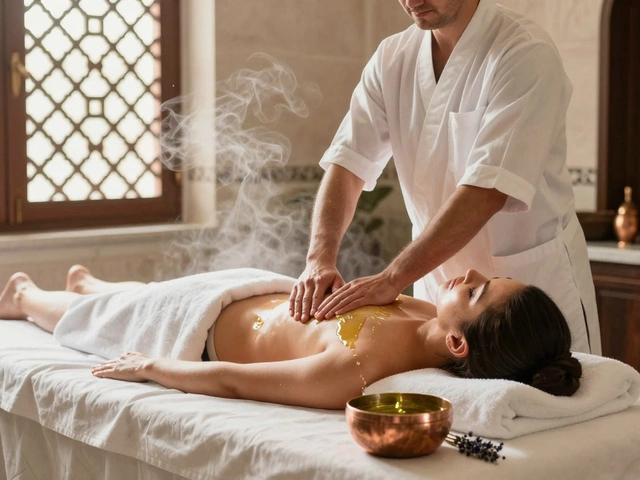
Honestly, the synchronization aspect is what actually defines the modality rather than the physical table placement which most laypeople seem to confuse with mere proximity.