Have you ever felt that your body is holding onto stress you can't quite name? It's not just a tired mind; sometimes, the tension lives deep in your pelvis, waiting for a release that standard massages just can't touch. This is where the ancient practice of Yoni Massage is a specialized tantric therapy focused on the female reproductive organs to release emotional and physical blockages comes into play. It's not just about pleasure; it's about profound healing and reconnecting with your own energy. By the time you finish reading this, you'll understand exactly what to expect, how to find a safe practitioner, and why this might be the reset button your nervous system has been craving.
Quick Takeaways
- Yoni Massage is a tantric practice designed to release deep-seated pelvic tension and emotional trauma.
- It differs from standard erotic massage by prioritizing healing, energy flow, and mindfulness over sexual gratification.
- Benefits include improved body image, reduced anxiety, and enhanced intimacy in relationships.
- Safety and consent are paramount; always verify a therapist's credentials and hygiene standards before booking.
- Sessions typically last 60 to 90 minutes and require a high level of trust and communication.
What Exactly Is Yoni Massage?
You might have heard the term tossed around in wellness circles or seen it in search results, but what does it actually mean? The word "Yoni" comes from Sanskrit, translating to "sacred vessel" or "womb." It represents the feminine creative energy. Unlike a standard Swedish or deep tissue massage that targets muscles, Yoni Massage is a holistic therapy that combines physical touch with breathwork and energy work. The goal is to access the pelvic floor, which often stores trauma, shame, and unresolved emotions.
In 2026, as we continue to destigmatize women's health, this practice has moved from the shadows into mainstream wellness discussions. It is rooted in Tantra is an ancient spiritual tradition that uses physical rituals to connect body and spirit philosophy, which views the body as a temple. A session isn't just about physical sensation; it's about opening the heart center and allowing energy to flow freely through the chakras. Think of it as a treasure map to relaxation, leading you to parts of yourself you might have forgotten or disconnected from.
Why Choose This Over Other Massages?
You might wonder, "Why not just get a regular full-body massage?" While a standard massage is great for sore muscles, it rarely addresses the deep emotional reservoirs stored in the pelvic region. Yoni massage specifically targets the uterus, ovaries, and vaginal canal. This area is incredibly sensitive to hormonal fluctuations, past trauma, and stress. By working here, you can experience a level of Relaxation is a state of low tension and anxiety in the body and mind that goes beyond the surface.
Many women report that after a session, they feel lighter, not just physically but emotionally. It's like releasing a heavy backpack you didn't realize you were carrying. The practice encourages you to reclaim ownership of your body and pleasure, which can be transformative if you've ever felt disconnected from your sexuality or body image.
Types of Sessions Available
Not all sessions look the same. Depending on the practitioner and the school of thought they follow, you might encounter different variations.
- Traditional Tantric Yoni: Focuses heavily on spiritual connection, breathwork, and chakra alignment. It is often slower and more meditative.
- Modern Therapeutic Yoni: Combines the ancient techniques with modern somatic therapy. This might include more direct work on muscle release and trauma processing.
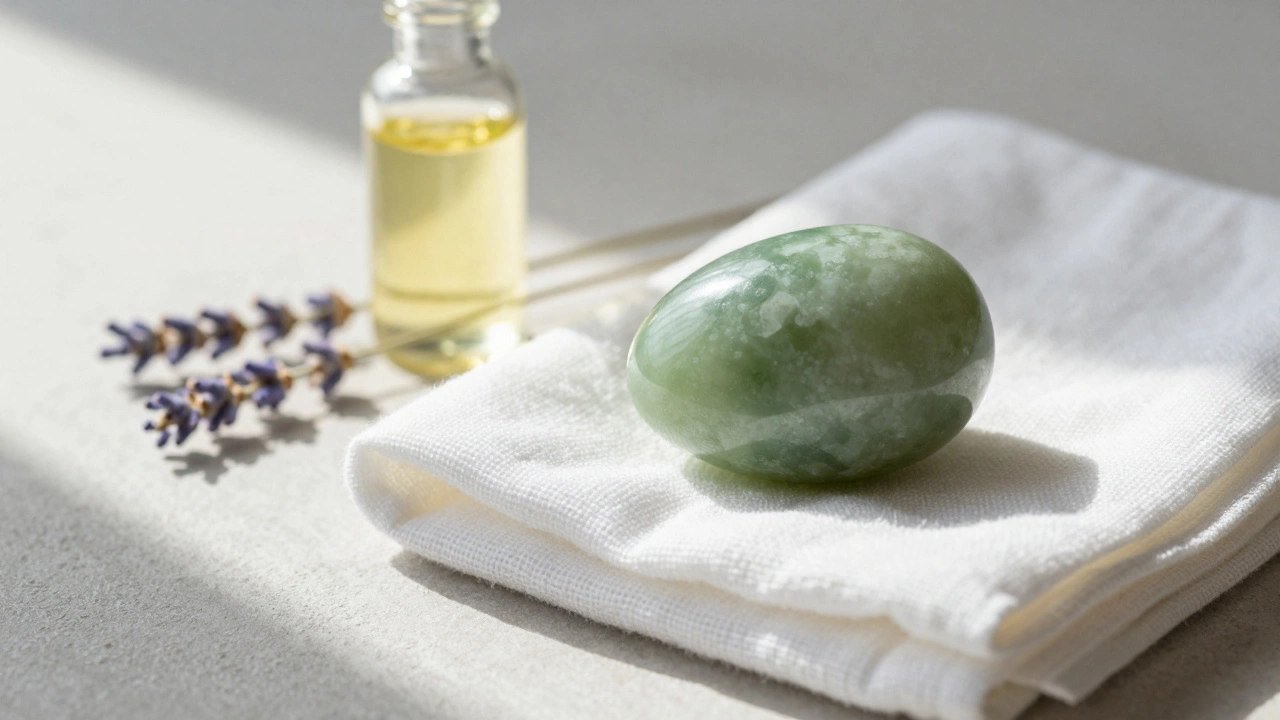
- Yoni Egg Therapy: Sometimes incorporated into sessions, this involves using jade eggs to strengthen the pelvic floor muscles, often used as a follow-up practice.
It's crucial to ask the therapist which style they practice. Some might lean more towards the sensual side, while others are strictly therapeutic. Your comfort level dictates which path you should take.

How to Find a Reputable Therapist
Because this is an intimate practice, finding the right person is the most critical step. You wouldn't trust just anyone with your deepest secrets, and you shouldn't trust just anyone with your body. In 2026, there are more certified practitioners than ever, but quality varies.
Start by looking for certifications from recognized Wellness is the state of being in good health, especially as an actively sought goal organizations. Look for keywords like "Tantra Certified," "Somatic Practitioner," or "Bodyworker." Read reviews specifically mentioning safety, boundaries, and professionalism. A good therapist will make you feel safe before you even step into the room. They should be willing to answer your questions about their hygiene protocols and their approach to consent.
Avoid places that seem sketchy or operate out of residential apartments without clear business registration. Legitimate wellness centers usually have a professional website, clear pricing, and a physical address you can verify.
What to Expect During a Session
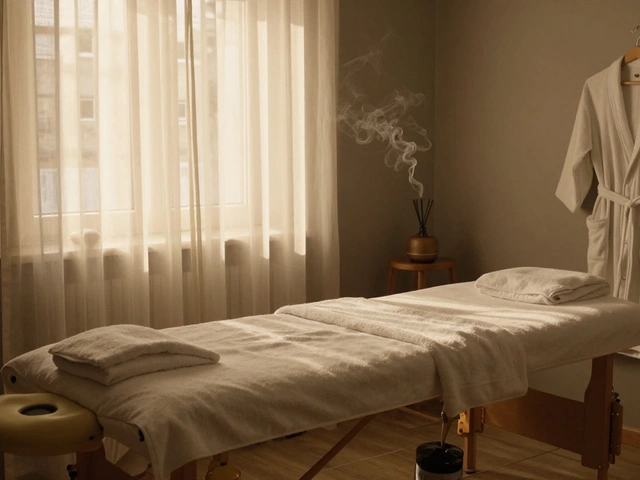
Walking into the room can be nerve-wracking, but a professional session is designed to put you at ease. Typically, the room will be warm, dimly lit, and filled with calming scents like sandalwood or lavender. Soft music plays in the background to help you drift into a meditative state.
- The Consultation: Before the massage starts, you'll have a chat. This is where you discuss your boundaries, any areas of pain, and what you hope to achieve. This is your space to say "no" to anything you're not comfortable with.
- Preparation: You will be given privacy to undress. You usually wear a small wrap or underwear, though some sessions are fully clothed depending on the style. The therapist will explain the draping technique to ensure your modesty is protected.
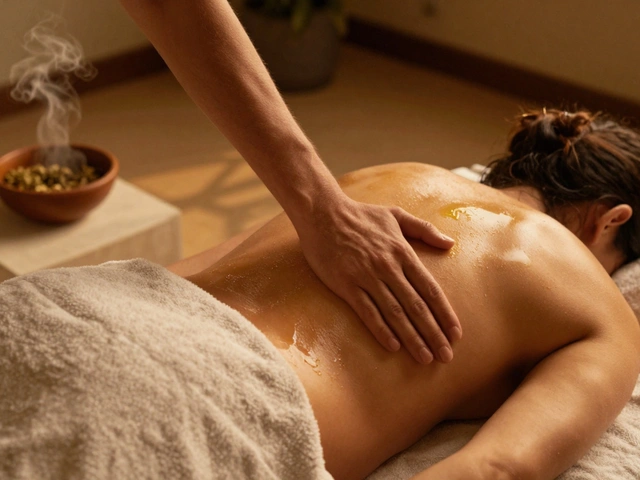
- The Touch: The massage begins gently, often on the lower back or legs, before moving to the pelvic area. The therapist uses oil to reduce friction and uses slow, deliberate strokes. They might use their hands to gently stimulate the external and internal areas, always checking in with you.
- Energy Work: Beyond physical touch, the therapist might place their hands on your energy centers to facilitate flow. You might feel warmth, tingling, or even an emotional release like crying or laughing.
- The Aftercare: The session ends with a gentle return to the present moment. You'll be given time to rest before dressing. Hydration is key afterward to flush out toxins.
Pricing and Booking
Investing in this kind of wellness care comes with a price tag, and it varies based on location and the therapist's experience. In major cities, you can expect to pay between $150 and $300 for a 60 to 90-minute session. Some therapists offer packages or introductory rates for first-timers.
When booking, be clear about your needs. If you have specific trauma history, mention it during the consultation so the therapist can prepare. Payment is usually required upfront or via a secure booking platform. Always get a receipt for your records. Remember, this is a health and wellness service, so it should be treated with the same professionalism as a doctor's appointment.
Safety and Hygiene Tips
Your safety is non-negotiable. A professional Therapist is a person who provides treatment for physical or mental health issues will always prioritize your comfort and hygiene. Here is what you should look for:
- Consent: The therapist should ask for permission before every new touch or area. You have the right to stop the session at any time.
- Hygiene: They should wash their hands thoroughly and use fresh gloves or barriers if internal work is involved. Fresh linens and high-quality oils are a must.
- Boundaries: A clear distinction should be made between therapeutic touch and sexual acts. If a therapist tries to cross this line, it is a red flag.
- Privacy: Your session details should remain confidential. Legitimate practitioners adhere to strict privacy policies.
If something feels "off" during the consultation, trust your gut. You don't owe anyone your body. Your intuition is your best guide in this process.
Comparison: Yoni vs. Other Intimate Massages
To help you decide, let's compare Yoni Massage with other popular intimate therapies. Understanding the nuances can help you choose the right path for your goals.
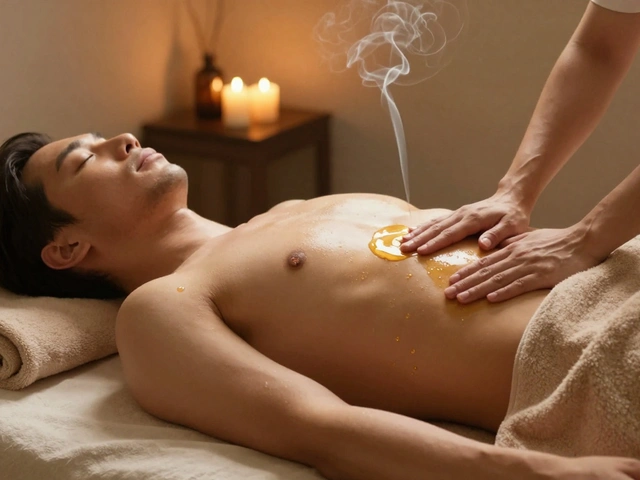
| Feature | Yoni Massage | Nuru Massage is a Japanese body-to-body massage using seaweed gel | Lingam Massage is a tantric massage focused on the male genitalia |
|---|---|---|---|
| Primary Focus | Female pelvic healing & energy | Sensual pleasure & skin contact | Male pelvic healing & energy |
| Technique | Internal & external touch, breathwork | Full body sliding with gel | External touch, energy circulation |
| Goal | Emotional release & trauma healing | Relaxation & arousal | Male empowerment & connection |
| Intensity | Moderate to Deep (Emotional) | High (Sensual) | Moderate (Energetic) |
While Nuru Massage is fantastic for pure relaxation and skin-to-skin connection, it doesn't necessarily dive into the emotional trauma work that Yoni Massage does. Similarly, Lingam Massage is the male counterpart to Yoni, focusing on the same principles of energy and healing but for men. Choosing the right one depends on your specific needs and gender.
Common Myths Debunked
There is a lot of misinformation out there. Let's clear the air. One common myth is that this is simply a euphemism for sexual services. That is incorrect. While it involves intimate areas, the intent is therapeutic, not sexual gratification for the therapist. Another myth is that you must be sexually active to benefit. This is false; the practice is about self-love and body connection, regardless of your relationship status. Finally, some think it's painful. While there might be moments of discomfort as tension releases, it should never be excruciating. Communication is key to managing any sensitivity.
Is It Right for You?
You might be wondering if this is the right step for your wellness journey. If you struggle with pelvic pain, endometriosis, or a history of sexual trauma, this could be incredibly beneficial. It is also ideal for anyone feeling disconnected from their body or seeking a deeper sense of femininity. However, if you are currently in a crisis or have severe untreated mental health conditions, it might be best to consult a mental health professional first. This practice complements therapy; it doesn't replace it.
Final Thoughts on Your Journey
Embarking on a Yoni Massage experience is a brave step toward self-discovery. It's about honoring your body and giving it the care it deserves. By choosing a reputable practitioner and setting clear boundaries, you open the door to a new level of well-being. Remember, your body is your home, and it's time to make it a sanctuary. If you're ready to explore this path, take your time, do your research, and trust your intuition. The journey to deep relaxation starts with a single, mindful choice.
Is Yoni Massage painful?
It should not be painful. While you might feel some discomfort as deep tension releases, the therapist will adjust their pressure based on your feedback. Communication is essential to ensure you remain comfortable throughout the session.
Do I need to be sexually active to receive this massage?
No, you do not. Yoni Massage is about self-love, body connection, and healing. It is suitable for women of all ages and relationship statuses who wish to explore their pelvic health and energy.
How often should I get a Yoni Massage?
Frequency depends on your needs. Some people benefit from a monthly session for maintenance, while others might need a series of sessions to work through deep trauma. Consult with your therapist for a personalized plan.
What should I wear to the session?
You will typically be asked to undress to your comfort level. Most therapists provide a small wrap or sheet for modesty. You can wear underwear or go without, depending on the specific style of the massage and your preference.
Can Yoni Massage help with menstrual cramps?
Yes, many women report relief from menstrual cramps and pelvic pain. The massage helps release tension in the pelvic floor and improves blood flow, which can alleviate discomfort associated with menstruation.