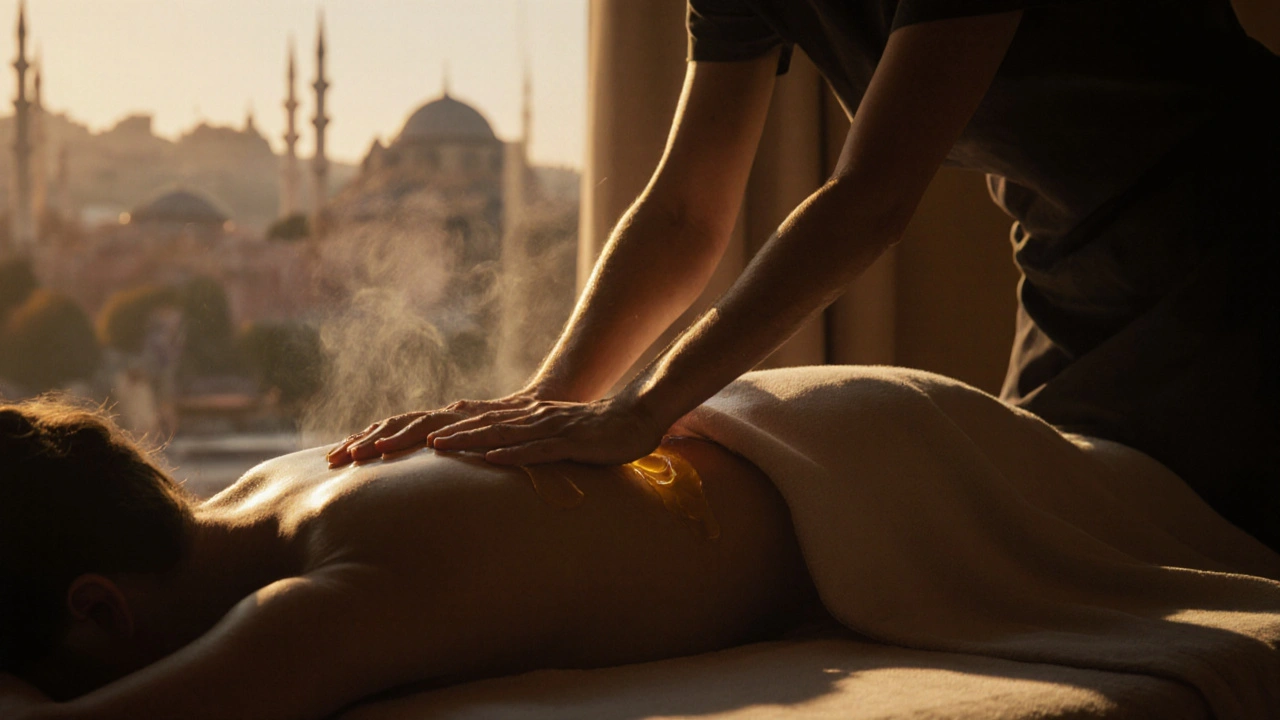
You’ve felt it before-that quiet moment when someone’s hands move over your skin, not just to relax you, but to connect with you. No words. Just warmth. Just presence. That’s what sensual massage is. Not about sex. Not about fantasy. It’s about being truly seen, held, and safe in your own body.
What Is Sensual Massage, Really?
Sensual massage is a slow, intentional form of touch that honors the body as a vessel of emotion, memory, and connection. It uses long, flowing strokes, gentle pressure, and mindful pacing to awaken awareness-not arousal, but presence. Think of it like walking barefoot on warm sand: you notice every grain, every shift in temperature, every breath. The goal isn’t to get you excited-it’s to help you feel whole.
In Istanbul, where the rhythm of life moves between ancient baths and modern stress, sensual massage has become a quiet rebellion. It’s not about escaping reality. It’s about returning to it-with more tenderness.
Why It Builds Intimacy and Trust
Trust isn’t built in big declarations. It’s built in small moments. When someone touches your shoulder without asking for permission, you flinch. When they ask, “Is this okay?” and wait for your answer-that’s trust.
Sensual massage creates space for that. The therapist doesn’t rush. They read your breathing. They pause when your muscles tense. They adjust pressure based on your silence, not their schedule. Over time, this teaches your nervous system: you are safe here.
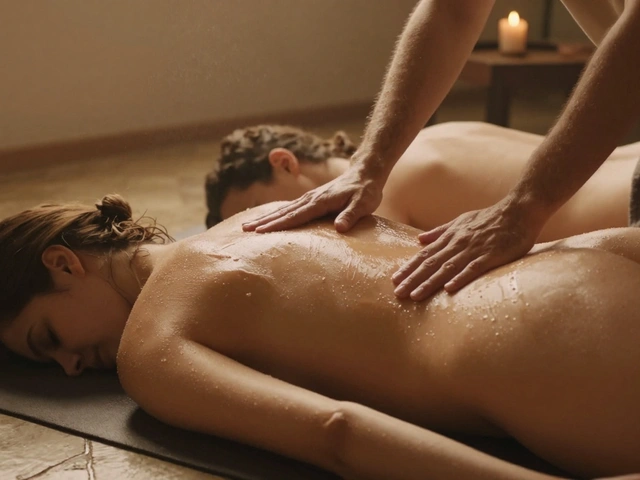
For couples, it’s even deeper. Many come not because they’re broken, but because they’ve forgotten how to touch without expectation. One client told me, “We haven’t held each other like this since our daughter was born.” After their session, they didn’t talk for twenty minutes. Just breathed. Together. That’s the magic.
How It’s Different From Other Massage Types
Let’s be clear: sensual massage is not erotic massage. Not tantric. Not nuru. Those styles often focus on stimulation or sexual release. Sensual massage? It’s about grounding.
Here’s how they stack up:
| Aspect | Sensual Massage | Erotic Massage | Tantric Massage | Nuru Massage |
|---|---|---|---|---|
| Primary Goal | Emotional safety, body awareness | Sexual stimulation | Energy flow, spiritual connection | Sensory pleasure, glide-based touch |
| Touch Style | Slow, deliberate, responsive | Direct, focused on erogenous zones | Energy channels, breath synchronization | Slippery, full-body glide with gel |
| Client Consent | Continuous check-ins | Often assumed | Varies by practitioner | Minimal verbal interaction |
| After-Effect | Calmer, more connected to self | Short-term excitement | Altered state, sometimes disoriented | Sensory overload, then fatigue |
In Istanbul, you’ll find plenty of places advertising “sensual” when they mean “erotic.” But real sensual massage? It’s quiet. It’s respectful. It’s the kind of experience that leaves you feeling more like yourself-not less.
What Happens During a Session
It starts with a conversation. Not about your sex life. Not about your fantasies. About your boundaries. Your scars. Your fears. “Is there anywhere you don’t want to be touched?” “Do you prefer silence or soft music?” “What does comfort feel like to you?”
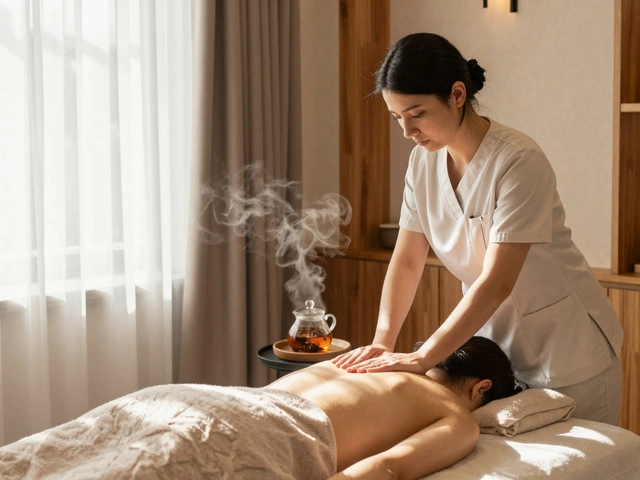
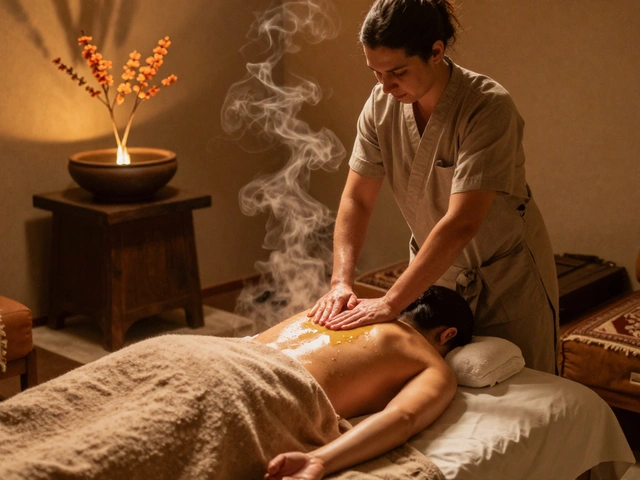
Then, the room. Warmth. Low light. Scent of lavender or sandalwood-not overpowering, just enough to signal safety. The therapist leaves the room while you undress, draping yourself in a towel. They knock before returning.
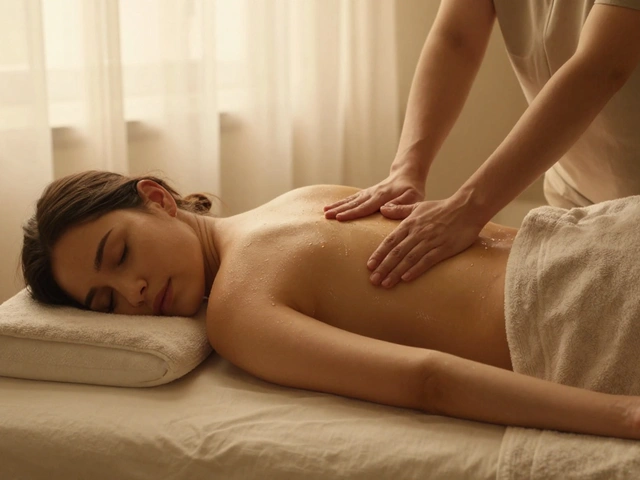
The massage begins with your back. Slow, warm oil glides over your spine. No sudden movements. No pressure that makes you gasp. You might feel tears come up. That’s normal. Your body remembers things your mind forgot.
As the session moves to your arms, legs, feet-each touch is like a question: “Are you here?” “Do you feel this?” “Can you let go?”
And then, it ends. Not with a snap back to reality, but with a moment of stillness. A blanket. A glass of water. A quiet, “Thank you for trusting me.”
Where to Find Authentic Sensual Massage in Istanbul
Not every spa that says “sensual” is right for you. Look for places that emphasize:
- Therapist training in somatic therapy or trauma-informed touch
- Clear, written boundaries and consent protocols
- Private rooms with no distractions-no TVs, no loud music
- Therapists who introduce themselves by name and ask for yours
In Beyoğlu, look for small studios above artisan cafés. In Kadıköy, some wellness centers offer sessions led by certified bodyworkers with backgrounds in psychology. In Beşiktaş, a few therapists work out of quiet apartments-booked through word-of-mouth or trusted referrals.
Avoid places that advertise “happy endings” or “special services.” If they’re selling sex, they’re not offering touch.
How Much Does It Cost?
Real sensual massage isn’t cheap. And it shouldn’t be. It takes skill, emotional labor, and years of training.
In Istanbul, expect to pay between 800 and 1,500 Turkish Lira for a 60- to 90-minute session. That’s roughly $25-$50 USD. Compare that to a 30-minute “erotic” massage for 400 Lira-what are you really paying for? A quick rush? Or a transformation?
Some therapists offer packages: three sessions over a month. Why? Because one session opens the door. The second helps you step inside. The third? That’s when you start to feel at home in your own skin.
Safety First: What You Need to Know
This isn’t just about avoiding bad experiences. It’s about protecting your emotional space.
- Always confirm the therapist’s credentials. Ask if they’ve trained in trauma-informed touch or somatic therapy.
- Never feel pressured to remove more than you’re comfortable with. You can keep underwear on. You can ask for a sheet. No judgment.
- Bring a friend to the location if you’re nervous. Wait outside. Text them when it’s over.
- If you feel violated-even slightly-leave. No apology needed. Your safety is non-negotiable.
- Check reviews for phrases like “felt respected,” “didn’t push boundaries,” “listened to me.” Avoid anything that says “very hot” or “got me off.”
Sensual massage should never leave you feeling used. It should leave you feeling like you’ve been held.
Who Benefits Most?
You don’t need to be in a relationship to benefit. You don’t need trauma. You just need to be tired of living in your head.
People who come back again and again:
- Parents who haven’t felt their own skin in years
- People recovering from illness or surgery
- Those who’ve experienced emotional or physical abuse
- Lonely people who crave connection without romance
- Couples who want to relearn how to touch without sex
One woman, 58, told me after her third session: “I haven’t felt like this since I was 19. I didn’t realize how much I’d forgotten how to be soft.”
What Comes After?
Sensual massage doesn’t end when you leave the room. The real work begins afterward.
Try this: For the next week, touch yourself the way your therapist touched you. Slow. Gentle. Curious. Not to feel pleasure-to feel presence.
Notice how your breath changes when you rub your arms. How your shoulders drop when you press your palms into your thighs. That’s your body speaking. You just forgot how to listen.
Some people start journaling. Others begin yoga. A few start giving gentle massages to their partners-not to seduce, but to say, “I see you.”
That’s the ripple effect. One session. One moment of being held. And suddenly, you’re holding yourself differently. And maybe, just maybe, you’re holding others too.
Frequently Asked Questions
Is sensual massage legal in Istanbul?
Yes, as long as it doesn’t involve sexual activity or payment for sex. Sensual massage is a recognized wellness practice in Turkey when conducted by licensed therapists in professional settings. Any service that promises sexual outcomes is illegal and should be avoided.
Do I have to be naked during a sensual massage?
No. You’re in control. Most people wear underwear or keep a towel draped. The therapist’s job isn’t to see your body-it’s to feel your tension, your breathing, your rhythm. Your comfort matters more than tradition.
Can I bring my partner to a sensual massage?
Some therapists offer couples sessions, but only if both people are clear on the goal: connection, not sex. Most sessions are one-on-one to protect the emotional space. If you’re looking to reconnect with your partner, ask if they offer guided partner touch exercises afterward.
What if I get physically aroused during the massage?
It happens. And it’s completely normal. Your body responds to touch-even when your mind isn’t thinking about sex. A good therapist will acknowledge it calmly, adjust pressure if needed, and keep the focus on your breath and comfort. No shame. No awkwardness. Just presence.
How many sessions do I need to feel a difference?
Some feel it after one. Others need three or four. It depends on how long you’ve been disconnected from your body. Think of it like therapy: one session opens the door. The next few help you walk through it. Consistency matters more than intensity.
Ready to Feel Again?
Sensual massage isn’t a luxury. It’s a return. To your body. To your breath. To the quiet, sacred space between touch and trust.
If you’ve been carrying stress, grief, or loneliness in your shoulders-maybe it’s time to let someone else hold it for a little while. Not to fix you. Just to remind you: you’re still here. And you’re still worthy of softness.
There’s something sacred about touch that doesn’t demand anything in return. Like the way the ocean doesn’t ask the shore why it keeps coming back-它 just does. I used to think intimacy needed words, fireworks, grand gestures. Turns out, it just needs someone who knows how to hold space without trying to fill it. This post? It’s a love letter to quiet courage.
And honestly? We’re all just walking around with unspoken bruises. A slow hand on your back can heal more than a thousand therapy sessions if it’s done right.
😭 I cried during my first sensual massage. Not because it was sexy-but because I realized I hadn’t felt safe in my own skin since high school. The therapist didn’t say a word for 20 minutes. Just warmth. Just presence. Just ‘you’re allowed to be here.’
Thank you for writing this. I needed to see it.
Let’s clarify a few things. The table comparing sensual massage to other modalities is mostly accurate-but you missed a critical distinction: ethical sensual massage requires documented consent protocols and therapist certification. Many places in Istanbul (and globally) misuse the term to skirt legal boundaries. Real practitioners are often trained in somatic psychology, not just massage school. Also, ‘tantric’ isn’t inherently spiritual-it’s often commercialized nonsense. True tantric work involves breathwork, chakra alignment, and years of training. Don’t confuse glide-based body rubs with energy work.
And yes-$50 is cheap for what’s essentially trauma-informed care. A licensed therapist isn’t just rubbing oil on you. They’re regulating your nervous system. That’s clinical-grade emotional labor.
This is just a fancy way to get paid for groping people. You’re normalizing sexualized touch under the guise of ‘healing.’ What’s next? ‘Sensual’ dog grooming? ‘Mindful’ tickling? This isn’t therapy-it’s exploitation dressed up in lavender oil.
And don’t tell me ‘it’s not sex’-if you’re touching someone’s back with oil and calling it ‘sacred,’ you’re just avoiding the truth. People want sex. Admit it.
OH MY GOD. I KNEW IT. I KNEW THIS WAS A TRAP. I’VE BEEN WAITING FOR SOMEONE TO WRITE THIS SO I COULD SAY-
THIS IS EXACTLY WHY OUR CULTURE IS FALLING APART. WE’RE TURNING EVERYTHING INTO A SEX EXPERIENCE. A MASSAGE IS A MASSAGE. NOT A ‘JOURNEY TO YOUR SOUL.’
My aunt got a ‘sensual’ massage in Bali and came back crying because she ‘felt seen.’ I said, ‘Auntie, you just got your butt rubbed.’
People need to stop pretending they’re spiritual because they cried during a back rub. It’s not healing-it’s Hollywood fantasy wrapped in essential oils.
And don’t even get me started on ‘trauma-informed touch.’ If you’ve never been in a war zone or survived abuse, don’t call yourself a trauma expert. You’re just a massage therapist with a fancy website.
This isn’t therapy. It’s a cult. With massage oil.
And yes, I’m 58. I’ve lived. And I know when someone’s selling you a fantasy.
From a somatic therapy standpoint, this is actually a really nuanced articulation of embodied safety protocols. The emphasis on continuous consent, non-verbal attunement, and polyvagal-informed pacing aligns with recent literature on neuroception and interoceptive awareness. The therapist’s role here isn’t facilitative-it’s regulatory. They’re acting as an external autonomic nervous system for clients who’ve learned to dissociate.
Also, the pricing model? Totally justified. Emotional labor isn’t commodified enough in wellness spaces. Most ‘massage therapists’ are paid minimum wage while carrying the psychological weight of clients’ unresolved trauma. The real exploitation is in the industry’s failure to pay them fairly.
And yes, arousal during touch is a physiological response, not a moral failing. The vagus nerve doesn’t care about your intentions.
Let me break this down with some peer-reviewed context. The concept of ‘sensual massage’ as described here is essentially a subset of touch-based somatic experiencing, a modality developed by Peter Levine in the 1990s to address PTSD through bodily re-regulation. The slow, deliberate pacing is designed to downregulate sympathetic nervous system activation and promote parasympathetic dominance-what we call the ‘rest and digest’ state.
Studies from the Journal of Bodywork and Movement Therapies (2021) show that clients who received 6+ sessions of trauma-informed touch showed significant reductions in cortisol levels and increased heart rate variability compared to control groups.
Also, the cultural context matters. In Istanbul, where public space is often hyper-stimulating and private emotional expression is culturally suppressed, this practice becomes a form of quiet resistance. The lavender scent? Not just ambiance-it’s a conditioned stimulus for safety, leveraging olfactory memory pathways tied to limbic system regulation.
And the fact that people cry? That’s not ‘emotional release’ in the New Age sense-it’s the amygdala finally allowing suppressed fear to surface because the body perceives safety. This isn’t magic. It’s neuroscience.
Also, the pricing? If you’re paying less than $30/hour for a certified practitioner with trauma training, you’re either getting someone underqualified or someone who’s being exploited. Neither is ethical.
And for those who say ‘this is just sex’-you’re conflating physiological arousal with intent. The body responds to touch. That doesn’t mean the mind is engaged in sexual fantasy. The therapist’s job is to keep the focus on interoception, not eroticism.
And yes, you can keep your underwear on. That’s not ‘holding back’-that’s autonomy. Autonomy is the foundation of healing.
My mom used to say, ‘The best healing happens when no one’s trying to fix you.’
This is that.
I didn’t know I needed this until I read it. I’ve spent years avoiding touch because I thought it meant someone wanted something from me. But this? This is the opposite. It’s not about what you give-it’s about what you’re allowed to receive.
I’m going to book one this week. Not because I’m broken. But because I’m tired of living like a ghost in my own body.
I’ve practiced this in Tokyo, Berlin, and now here in Brooklyn. The real magic isn’t in the oil or the room or even the therapist-it’s in the silence between the touch. That’s where the healing lives.
What’s beautiful is how this mirrors so many cultural traditions: the Japanese ‘hara’ touch, the Balinese ‘boreh’ ritual, the Berber hand massages in Marrakech. It’s not new. We just forgot how to do it.
And to those who say ‘this is just sex’-you’re not wrong. It’s also just breathing. Just sitting. Just being. But in a world that’s screaming at us to do more, be more, buy more-sometimes the most radical thing you can do is let someone hold you without asking for anything in return.
That’s not a massage.
That’s a homecoming.