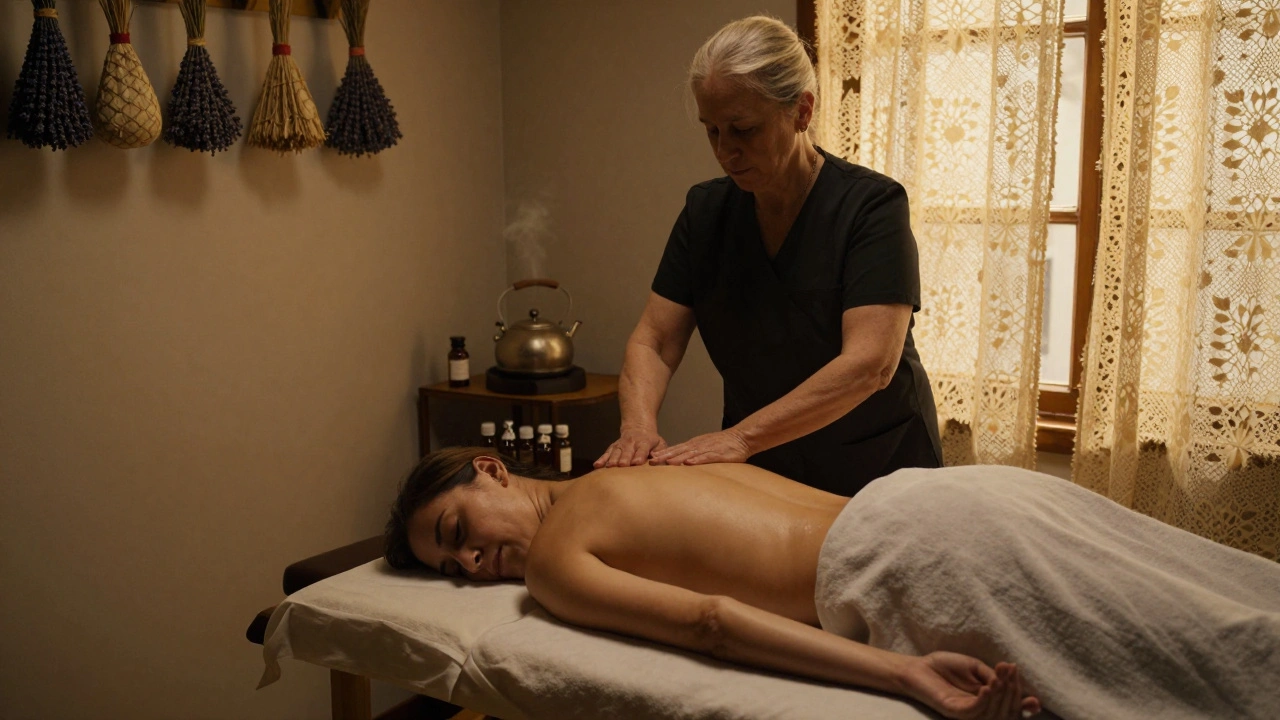
You’ve walked the Grand Bazaar, sipped Turkish coffee on the Bosphorus, and watched the sun set over the minarets. But after all that walking, sightseeing, and endless stairs? Your body is screaming for relief. And in Istanbul, where tradition meets modern wellness, the real magic isn’t just in the view-it’s in the hands of the city’s quietest experts: the massage therapists you won’t find on Instagram ads.
What Makes Istanbul’s Massage Scene Different?
Most tourists think of Turkish baths and steam rooms when they hear "massage in Istanbul." But the real depth? It’s in the back rooms of old neighborhoods-where therapists have been training since they were teens, learning from their grandparents, not online courses. These aren’t spa chains with standardized routines. Each therapist brings their own rhythm, pressure, and touch.
Think of it like this: a massage in Istanbul isn’t just about relaxing muscles. It’s about releasing tension built up from centuries of history, from bustling streets to ancient stone floors. The best therapists don’t just move your limbs-they listen to your body’s story.
Types of Massage You’ll Find in Istanbul
Don’t expect just one style. Istanbul blends traditions from the Ottoman Empire, the Balkans, the Middle East, and modern European techniques. Here’s what’s actually out there:
- Turkish Hammam Massage - Done after a steam bath, this uses deep kneading and rhythmic stretching. It’s not just relaxation-it’s a full-body reset.
- Swedish Massage - Gentle, flowing strokes. Popular among expats and travelers needing light recovery.
- Deep Tissue - For those who’ve been carrying a backpack for weeks or slept on a hostel mattress. Focused pressure on knots, not just surface tension.
- Reflexology - Based on ancient Chinese and Turkish foot maps. Many therapists here specialize in footwork that sends shockwaves of relief up your spine.
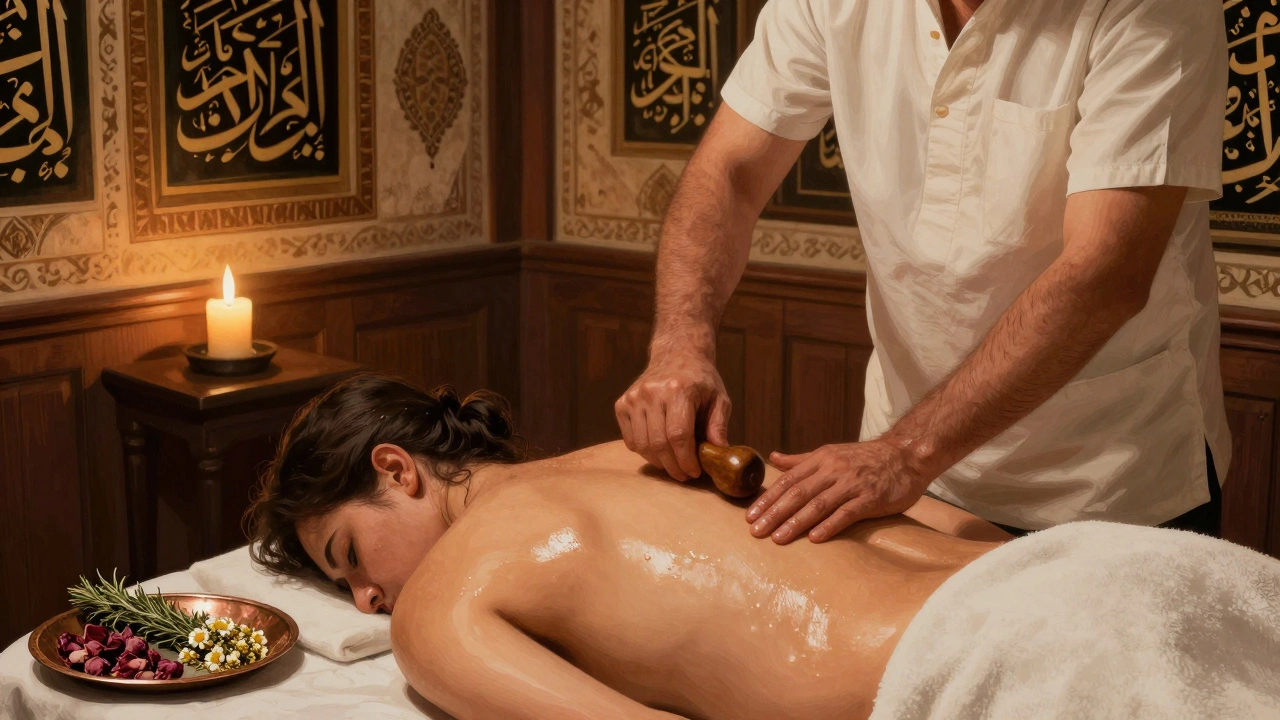
- Traditional Ottoman Massage - Rare, but found in a few hidden spots. Uses wooden tools, herbal oils, and long, slow strokes passed down for generations.
Most places offer a mix. But the real pros? They’ll ask you what kind of day you’ve had before they even touch you.
Where to Find the Best Massage Therapists in Istanbul
You won’t find the best on Google Maps’ top 10. The top names are whispered in local cafes, passed along by hotel concierges who’ve been in Istanbul longer than Airbnb has existed.
Karaköy - Look for small studios above antique shops. One therapist here, Aylin, has been working out of the same apartment since 1998. No website. No Instagram. Just a handwritten note on the door: "Come if you’re tired." Her hands move like they’ve memorized every ache in the city.
Beyoğlu - Head to the backstreets near İstiklal. There’s a place called Yasemin’s Hands a family-run massage studio in Beyoğlu that specializes in deep tissue and reflexology, with therapists trained in traditional Ottoman techniques. You’ll need to knock three times. The owner’s mother, now in her 70s, still trains new therapists by hand.
Üsküdar - On the Asian side, near the ferry docks. This is where the locals go. A therapist named Murat has been doing hammam massages for 42 years. He doesn’t speak English. But he knows exactly where your shoulder tension hides.
Beşiktaş - Hidden in a converted Ottoman villa, Şahin’s Retreat a quiet, no-frills studio in Beşiktaş offering traditional Turkish and deep tissue massage with herbal oils and personalized pressure techniques is run by a former physiotherapist who left the hospital system to work with people who just needed to feel whole again.
These aren’t luxury spas. They’re places where the air smells like lavender and cypress, where the music is just the sound of a kettle boiling.
What to Expect During Your Session
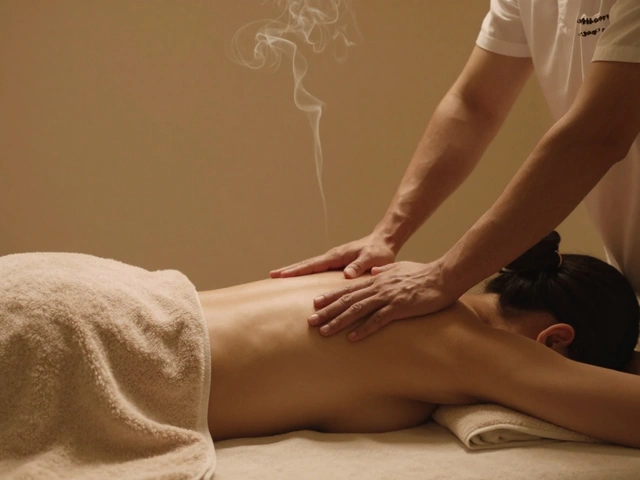
When you walk in, you’ll notice something: no loud music. No sales pitches. Just quiet. The therapist will ask you to undress to your comfort level-usually underwear or a towel. They’ll leave the room while you get settled.
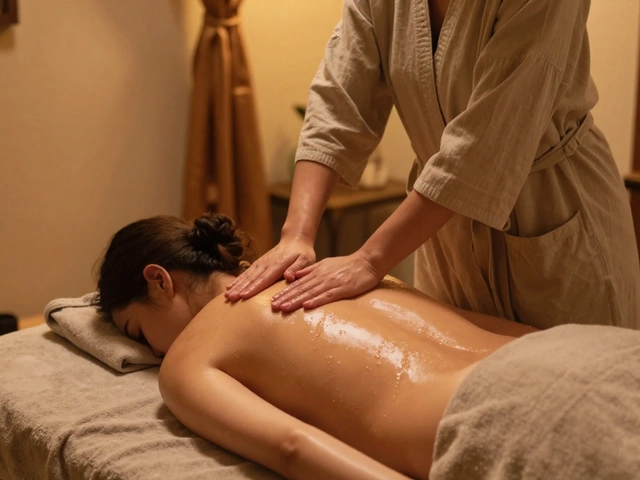
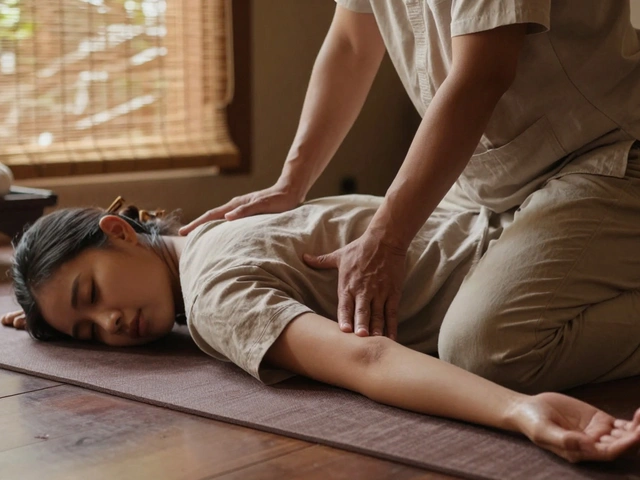
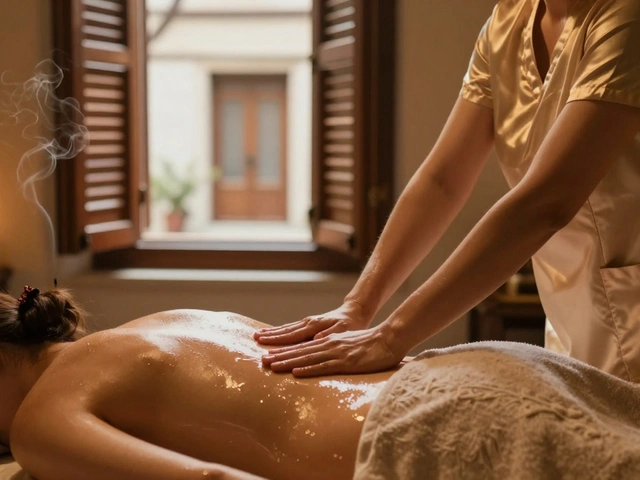
Then they’ll come back, warm their hands, and begin. No sudden movements. No clicking joints. Just steady pressure, building slowly. You might feel a twinge, then a release. You’ll start to breathe deeper without meaning to.
Most sessions last 60 to 90 minutes. The best ones feel longer. That’s because time doesn’t matter here. What matters is whether your body finally lets go.
Pricing and Booking
Don’t expect to pay $150 for a massage here. In Istanbul’s hidden spots, you’ll pay between 300 TL and 600 TL ($10-$20 USD) for an hour. That’s not a typo. A 90-minute session at one of these places costs less than a taxi from Taksim to the Bosphorus.
Booking? You can’t always do it online. Many don’t have websites. You’ll need to walk in, call on WhatsApp, or ask your hotel to send someone. Most therapists take cash only. Bring small bills.
Pro tip: Go on a weekday morning. That’s when the therapists are fresh, and you’ll get their full attention. Weekends? They’re booked with locals who’ve been coming for years.
Safety Tips
There’s a lot of noise online about "adult services" in Istanbul. Let’s be clear: the therapists we’re talking about here are licensed, professional, and focused on healing. They’re not offering anything beyond massage.
Here’s how to stay safe:
- Go to places with a clear, quiet entrance. No flashing lights or suggestive signs.
- Ask if they have a license. Most reputable ones display it on the wall.
- Trust your gut. If something feels off, leave. No shame.
- Don’t go alone late at night. Stick to daylight or early evening visits.
- Bring a friend if you’re nervous. Many therapists welcome couples.
The best therapists don’t need to sell you anything. They just want you to leave feeling lighter than when you walked in.
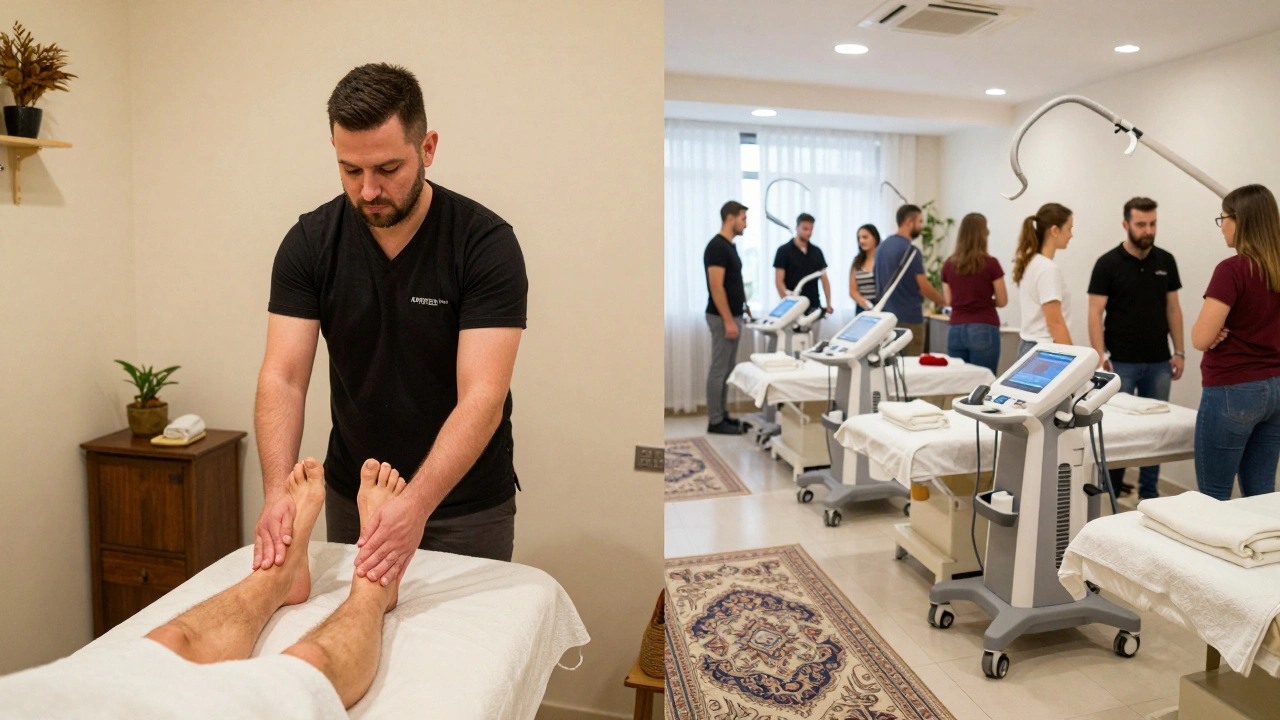
Comparison: Istanbul Massage Therapists vs. Spa Chains
| Feature | Hidden Gem Therapists | Spa Chains (e.g., Aire Ancient Baths, Cappadocia Spa) |
|---|---|---|
| Price (60 min) | 300-600 TL | 1,200-2,500 TL |
| Technique | Personalized, traditional, hands-on | Standardized, often robotic |
| Atmosphere | Quiet, intimate, home-like | Luxury, noisy, commercial |
| Therapist Experience | 10-40+ years, often family-trained | 3-6 months training, high turnover |
| Booking | Walk-in or WhatsApp | Online only, often requires deposit |
| Oil Used | Local herbs, cold-pressed, no fragrance | Commercial, often synthetic scents |
The spa chains? They’re beautiful. But they’re designed for tourists who want to check a box. The hidden therapists? They’re designed for people who need to heal.
Frequently Asked Questions
Are Istanbul massage therapists licensed?
Yes, most reputable therapists are licensed by the Turkish Ministry of Health. Look for a small certificate on the wall or ask to see it. Licensed therapists don’t offer anything beyond therapeutic massage. If someone pushes extra services or seems vague about credentials, walk away.
Can I book a massage in English?
Many do, especially in Karaköy and Beyoğlu. But don’t expect fluency. The best therapists communicate more through touch than words. Bring a translation app if you’re nervous. Simple phrases like "daha hafif" (lighter) or "daha güçlü" (stronger) go a long way.
How long should I book for?
If you’re new to massage, start with 60 minutes. If you’ve been traveling hard, have chronic tension, or just want to fully melt down, go for 90. Most people leave saying, "I should’ve booked longer." There’s no rush. Time doesn’t matter here.
Should I tip my massage therapist?
Tipping isn’t expected, but it’s appreciated. If you feel deeply relaxed and want to show gratitude, leave 10-20% in cash. Some therapists won’t take it-just say "teşekkür ederim" (thank you) and mean it.
What should I wear during the massage?
Wear whatever makes you comfortable. Most people keep underwear on. The therapist will cover you with towels and only uncover what they’re working on. You’ll be alone the whole time. No one will judge you. This isn’t about appearance-it’s about release.
Ready to Find Your Own Hidden Gem?
You don’t need to book a luxury resort to feel like you’ve been healed. Sometimes, the deepest rest comes from the quietest places. Find one of these therapists. Sit with them. Let them work. And when you leave, you won’t just feel better-you’ll feel like you’ve remembered how to be still.
I got a 90-minute session with Aylin in Karaköy last month and it changed my life. No fancy oils, no music, just her hands and this quiet intensity like she was reading my spine. I cried halfway through-not from pain, from relief. I didn’t even know I was holding that much tension. Walked out like I’d been reborn. Bring cash. No website. Just show up.
Been to Istanbul 5 times and every time I go to Yasemin’s Hands. No English but they know exactly where my lower back is screaming. The old lady training them? She’s a legend. Just knock three times. She’ll let you in. Worth every lira.
For anyone thinking about trying one of these spots I just want to say it’s okay to be nervous. I went alone for the first time and was terrified I’d be misunderstood. But the therapist just smiled and motioned for me to lie down. No words needed. I left feeling lighter than I had in years. These people aren’t just therapists they’re healers. Take your time. Trust the quiet.
Lol so this is the new ‘find your soul in a back alley massage’ trend now? You’re telling me the real magic is that some guy doesn’t have a Yelp page? Newsflash the whole ‘hidden gem’ thing is just capitalism’s way of making you feel special for paying less than $20. Meanwhile the spa chains have licensed staff, clean linens and actual hygiene. You’re romanticizing poverty.
Joe you’re right about the spa chains being overpriced but don’t knock the quiet ones they’re magic honestly I went to Murat in Üsküdar and he didn’t speak a word of English but he knew my shoulder had been hurting since I was 12. I didn’t even tell him. He just worked on it. I cried again. Not sad tears. The kind you cry when your body finally remembers how to breathe. Go. Just go. Bring a friend if you need to. You won’t regret it.
I went to Şahin’s Retreat. No music. Just the kettle. The therapist asked if I wanted more pressure. I said yes. He did it. No upsells. No photos. Just quiet and good hands. That’s all you need.
Been doing reflexology with the same therapist in Beyoğlu for 3 years now. She learned from her grandmother who learned from her mother. I used to have migraines every week. Now I get them maybe once a month. It’s not magic it’s knowledge passed down. The kind you can’t Google. If you’re tired of being treated like a ticket stub at a spa try one of these. Your body will thank you.
ok but like… how do you know these people arent just unlicensed grifters? i mean sure they dont have websites but thats bc they dont want to be found by the health department. i had a massage in istanbul once and the guy started rubbing my thighs and i had to leave. dont be fooled by the ‘quiet atmosphere’ its just a cover. also why do people keep saying ‘i cried’ like its a feature not a red flag? just go to the spa chain and get it over with. #notsaying