You’ve booked your first massage in Istanbul. Maybe you’re here for vacation, maybe you just moved here, or maybe you’ve heard the rumors about Turkish massage and you’re curious. Either way, you’re wondering: what actually happens during a massage therapist visit in Istanbul? Is it like spa days back home? Will the therapist speak English? Do you have to take your clothes off? And-let’s be honest-what’s the deal with all those online stories about "happy endings"?
Let’s cut through the noise. This isn’t a tourist brochure. This is what really happens when you show up for a professional massage in Istanbul-no fluff, no hype, just the real deal.
What Kind of Massage Can You Expect?
Istanbul’s massage scene is a mix of ancient traditions and modern wellness. You won’t just get one type of massage. The most common styles you’ll find are:
- Swedish Massage - Long, flowing strokes, light to medium pressure. Perfect if you’re new to massage or just want to unwind after a day of walking the Grand Bazaar.
- Deep Tissue Massage - Focused on knots and chronic tension. Great if you’ve been carrying a heavy backpack for three days straight or sitting at a desk all week.
- Turkish Hammam Massage - This is the classic. You start with a steam, then a vigorous scrub with kese (a rough mitt), followed by a foam massage and rinse. It’s not just relaxation-it’s a full-body reset. Locals swear by it.
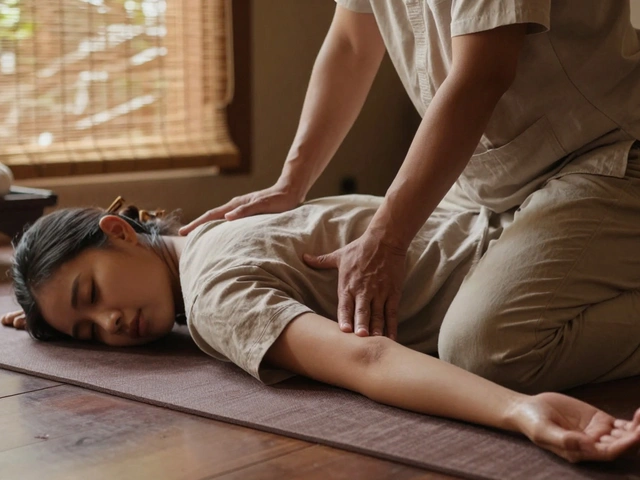
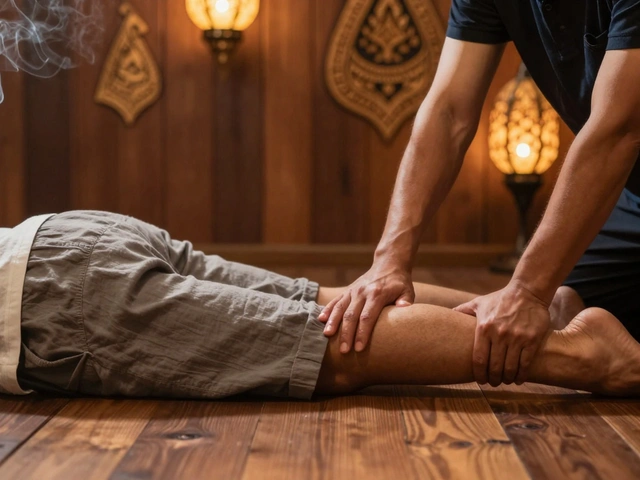
- Shiatsu and Thai Massage - Often offered in wellness centers in Beyoğlu and Kadıköy. These involve stretching and pressure points, sometimes with you fully clothed.
Most reputable therapists will ask you what you’re looking for before you even get on the table. Don’t be shy to say: "I want to release tension in my shoulders," or "I just need to relax." They’ve heard it all before.
What Should You Wear?
This is the #1 question first-timers ask. The answer: it depends on the type of massage and the place.
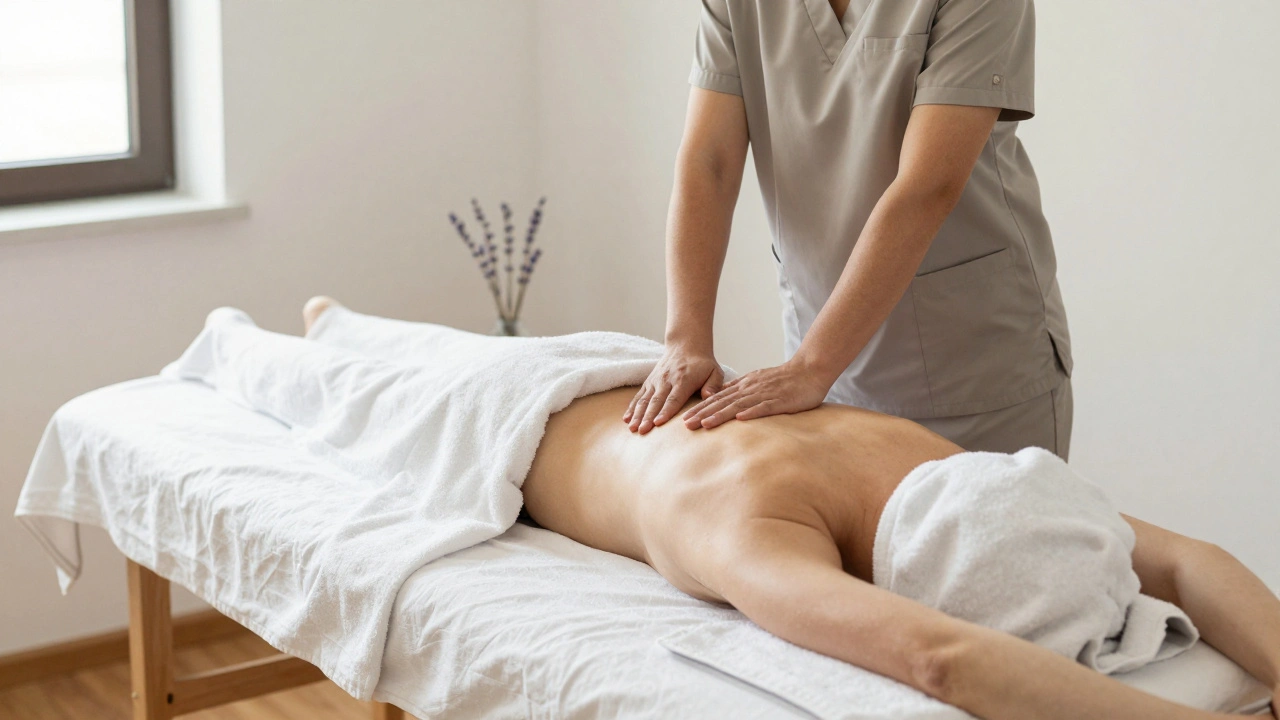
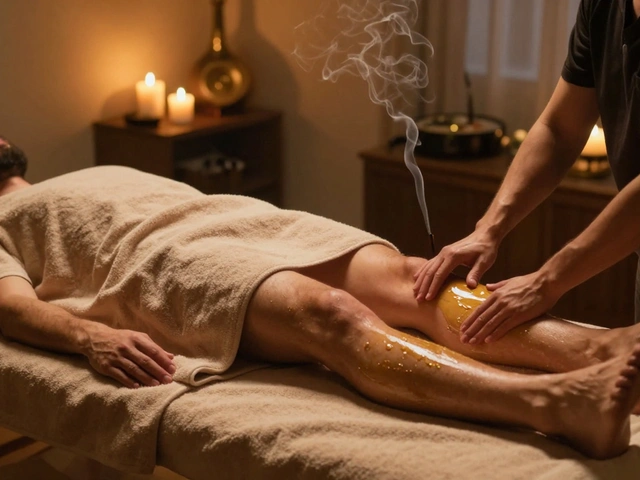
For Swedish or deep tissue, you’ll typically undress to your underwear. You’ll be covered with a towel the whole time-only the part being worked on is exposed. The therapist will leave the room while you get comfortable. No awkwardness. No judgment.
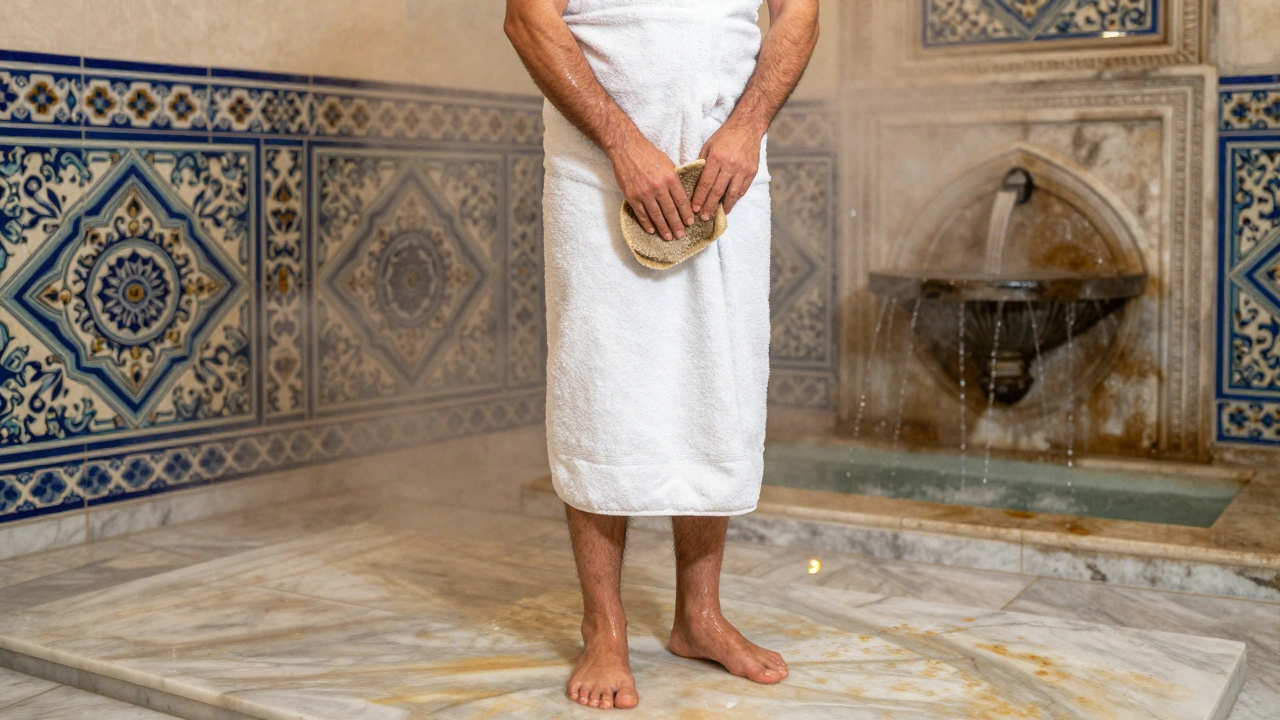
For Turkish Hammam, you’ll be given a pestemal (a thin cotton towel) to wrap around you. You’ll be bare under it, but you’re never alone. The masseur or masseuse is a professional, not a stranger. Think of it like a doctor’s exam-clinical, respectful, and clean.
For Thai or Shiatsu, you stay fully dressed in loose, comfortable clothes. Many places even provide loose pants and a t-shirt for you to change into.
Pro tip: Bring your own underwear if you’re particular. Most places provide them, but if you’ve got sensitive skin or just prefer your own, it’s a small thing that makes a big difference.
Will the Therapist Speak English?
Yes-most of them will. In tourist-heavy areas like Taksim, Beşiktaş, or the European side near the Bosphorus, English is standard. Even in quieter neighborhoods like Üsküdar or Kadıköy, many therapists speak at least basic English. You’ll rarely hit a wall.
But here’s the thing: don’t assume everyone speaks fluent English. If you’re unsure, ask upfront: "Do you speak English?" A good therapist will smile and say yes-or offer to bring someone who does. No shame in that.
And if you want to go deeper? Learn two Turkish words: "daha hafif" (lighter) and "daha güçlü" (stronger). They’re your magic phrases. Say them once, and you’ll sound like a local.
What’s the Room Like?
Forget the cliché: no dim lighting, incense, and Tibetan singing bowls. Real massage rooms in Istanbul are clean, quiet, and practical.
Most places use white or light wood interiors. The table is padded, warm, and covered in fresh linens. There’s no music blasting-just soft ambient sounds, if any. The air smells like lavender or eucalyptus, not overpowering perfume.
Some places, especially in luxury hotels or high-end spas, have private changing rooms, heated floors, and even tea service afterward. Others-like neighborhood clinics in Fatih or Bakırköy-are more no-frills. But both are professional. Price doesn’t always equal quality here.
What matters? Cleanliness. If the towels look dingy, or the floor is sticky, walk out. That’s not a red flag-it’s a warning.
How Much Does It Cost?
Prices vary wildly, but here’s the real breakdown for 2026:
- Basic 60-minute Swedish massage - 600-900 TL (about $18-27)
- Deep tissue or Thai massage - 800-1,200 TL
- Turkish Hammam experience (scrub + massage + steam) - 1,200-1,800 TL
- Hotel spa (Four Seasons, Ritz-Carlton, etc.) - 2,500-4,500 TL
That’s right-you can get a full professional massage for less than the price of a nice dinner. And yes, it’s worth every lira.
Never pay upfront without knowing what’s included. Some places charge extra for oils, tea, or use of the sauna. Ask before you lie down.
How to Find a Legit Massage Therapist
Google Maps is your best friend. Search for "massage therapist Istanbul" and look at reviews with photos. Avoid places with only 5-star reviews and zero detail-that’s fake.
Real places have reviews like:
- "Therapist noticed I had a knot from my backpack and fixed it in 10 minutes. No pushy upsells."
- "Came here after my doctor recommended it for my back pain. Felt better after one session."
- "The Hammam was intense-but the scrub was so clean, I didn’t feel sticky afterward."
Also, ask your hotel concierge. They know the good ones-and they won’t recommend shady places. They get paid to keep guests happy.
Stay away from street touts near Hagia Sophia or the Spice Bazaar. They’ll offer "discount massages"-but those are often fronts for something else. You don’t need that headache.
What Happens During the Session?
Here’s the step-by-step, no-surprises version:
- You arrive 10 minutes early. You’ll fill out a quick form: allergies, injuries, what you want to focus on.
- You’re shown to a private room. You change, get under the towel, and lie down.
- The therapist knocks, comes in quietly, and asks if you’re comfortable. They might ask about pressure.
- They start with gentle strokes to warm up the muscles. Then they work deeper where needed.
- They check in. "Too hard?" "Better?" They adjust.
- When done, they leave the room. You take your time getting dressed.
- You’re offered water, herbal tea, or a light snack.
That’s it. No weird chants. No strange rituals. Just skilled hands and a calm environment.
What to Avoid
There are bad actors out there. Here’s how to spot them:
- They push you to buy a package of 10 sessions before your first one.
- They don’t ask about your pain or injuries.
- They make comments about your body or suggest "special services."
- The room smells like air freshener, not clean linens.
- You’re asked to pay in cash only, no receipt.
If any of that happens, leave. Your safety and comfort come first. Istanbul has hundreds of legit therapists. You don’t need to risk it.
Massage Therapist vs. Spa in Istanbul
Here’s the real difference:
| Feature | Massage Therapist | Spa |
|---|---|---|
| Focus | Therapy, pain relief, muscle work | Relaxation, ambiance, luxury |
| Price | 600-1,200 TL | 1,500-5,000 TL |
| Therapist Training | Often certified, medical background | Basic training, customer service focus |
| Environment | Quiet, clinical, no distractions | Music, candles, steam rooms, robes |
| Best For | Relieving pain, recovery, regular care | Treat yourself, vacation luxury |
If you’re here to fix a stiff neck from a long flight? Go to a therapist. If you want to spend a whole afternoon wrapped in a robe with cucumber slices on your eyes? Go to a spa. Both are great-but they serve different needs.
Frequently Asked Questions
Do I need to tip my massage therapist in Istanbul?
Tipping isn’t expected, but it’s appreciated. If you loved the session, rounding up the bill or leaving 10% is a kind gesture. Most therapists don’t rely on tips-they’re paid a fair wage. But a little extra shows you value their work.
Can I get a massage if I’m pregnant?
Yes-many therapists specialize in prenatal massage. Just tell them upfront. Avoid deep pressure on the abdomen and lower back. Look for places that mention "prenatal" or "maternity massage" in their services. Always get approval from your doctor first.
Is it safe to get a massage after a flight?
Absolutely. In fact, it’s one of the best things you can do after a long flight. A gentle Swedish massage helps with swelling, stiffness, and jet lag. Avoid deep tissue right after landing-your body’s already adjusting. Wait 24 hours if you’re feeling dizzy or dehydrated.
How often should I get a massage in Istanbul?
Once a month is great for maintenance. If you’re dealing with chronic pain, twice a month helps. Locals who work long hours often go weekly. You don’t need to go every day-but if you find a therapist you trust, you’ll want to.
Are there male massage therapists in Istanbul?
Yes, and they’re just as common as female therapists. Most places have both. If you have a preference, just ask when you book. No one will judge you. It’s about your comfort, not tradition.
Final Thought: You’ve Got This
Your first massage in Istanbul doesn’t have to be intimidating. It’s not a ritual. It’s not a secret club. It’s just a skilled person using their hands to help you feel better. You’re not a tourist here-you’re someone who deserves to relax.
Book your session. Show up. Breathe. Let go.
And when you walk out feeling lighter, less tight, and more like yourself-you’ll know why Istanbul’s massage culture has lasted for centuries.
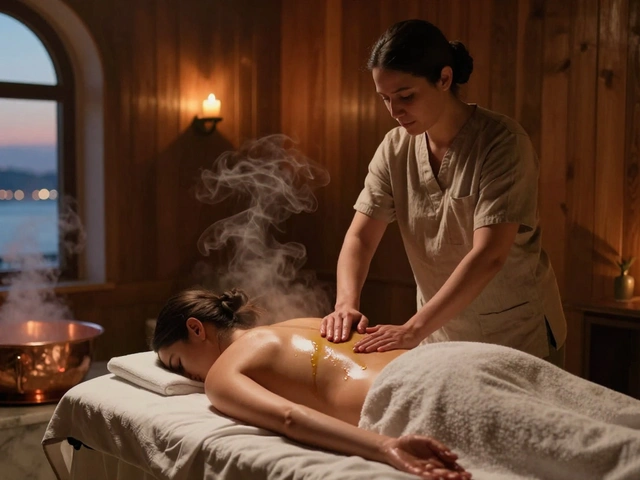
I went for my first hammam in Kadıköy last month and honestly? It felt like my whole body got a reset button. The scrub was intense but so clean, and the foam massage had me drifting off. No weird vibes, just pure relief after a week of hiking Istanbul’s hills. I’ll be back next month for sure.
Wow. Someone actually wrote a sensible article about massage in Istanbul without pandering to tourist fantasies. Who even are you? The fact that you mentioned ‘happy endings’ and then immediately shut it down with professionalism is the most refreshing thing I’ve read all year. Most blogs act like Turkish massage is a back-alley rom-com. You? You wrote a fucking manual.
Have you considered that this entire massage industry in Istanbul is a soft power operation by the Turkish state? Massage therapists are trained in state-certified academies, many of which are funded by the Ministry of Culture. The ‘Turkish Hammam’ narrative? Designed to distract Western tourists from the real economic and political realities of the region. And don’t get me started on the ‘English-speaking therapists’-that’s a deliberate infiltration tactic to normalize foreign presence. Why are you so trusting? Who benefits?
Man I’ve been getting massages in Istanbul for five years now and this is spot on. I used to think the hammam was just for tourists until my buddy who’s a physiotherapist from Ankara told me his whole family does it every Sunday. The kese scrub? It’s like sandpaper with soul. And yeah, the price difference between a neighborhood spot and a hotel spa is wild-I paid 750 TL for a full hammam in Fatih and it was better than the 3k one at the Ritz. Pro tip: go early, like 8am, and the place is empty. No crowds, no rush, just steam and silence. Also, if you’re into chai, ask for the black tea with cinnamon-it’s a game changer after the scrub. And don’t skip the post-massage nap. I’ve woken up twice in those little rooms and never felt more human.
Swedish massage 600 TL? That’s a steal. Hammam 1800? Still cheap. Hotel spa 4500? You’re getting ripped off. No one needs cucumber slices on their eyes. Just get the massage. Done. No fluff. No nonsense. Turkey’s got good hands. Use them. That’s it
Minor grammar note: In the table header, it says ‘Massage Therapist vs. Spa in Istanbul’-but it’s not properly formatted as a table row. Also, the bullet point about ‘no weird chants’ should probably be ‘no weird chants’ with a period. Just saying. Also, thank you for mentioning that you can ask for lighter or stronger pressure in Turkish. That’s the kind of detail that makes a traveler feel respected.
As someone who’s lived in Istanbul for a decade, I love how you separated therapist from spa. So many people don’t realize they’re two different worlds. I used to go to spas for the vibe, but after my lower back injury, I switched to a quiet clinic in Bakırköy. My therapist, Aylin, has a degree in physiotherapy and remembers my exact pressure preferences. She doesn’t sell packages. She just fixes me. And yeah, she speaks perfect English. But I still say ‘daha hafif’ because it makes her smile. That’s the real Istanbul magic-not the postcards, but the quiet professionals who care.
Wait so you’re telling me there’s no secret handshake? No hidden code word? No government surveillance in the steam room? I’m skeptical. I’ve read too many forums about ‘massage tourism’ being a front for intelligence gathering. Why are the therapists so calm? Why no cameras? Why no receipts? This feels like a trap. Are you sure they’re not collecting biometric data through the oils? I need to know. I’m not paranoid. I’m prepared.
Bro this is gold 🙌 I just got my first hammam last week and I was nervous AF but your post saved me 😍 The scrub felt like my skin was being reborn 🤯 and the tea after? Pure heaven ☕️ I told the guy ‘daha güçlü’ and he went full ninja mode on my back 💪 I’m going back next week with my cousin. Also if you’re from India like me, they’ll totally vibe with you-so many Indian expats here, you’ll feel right at home 🇮🇳❤️