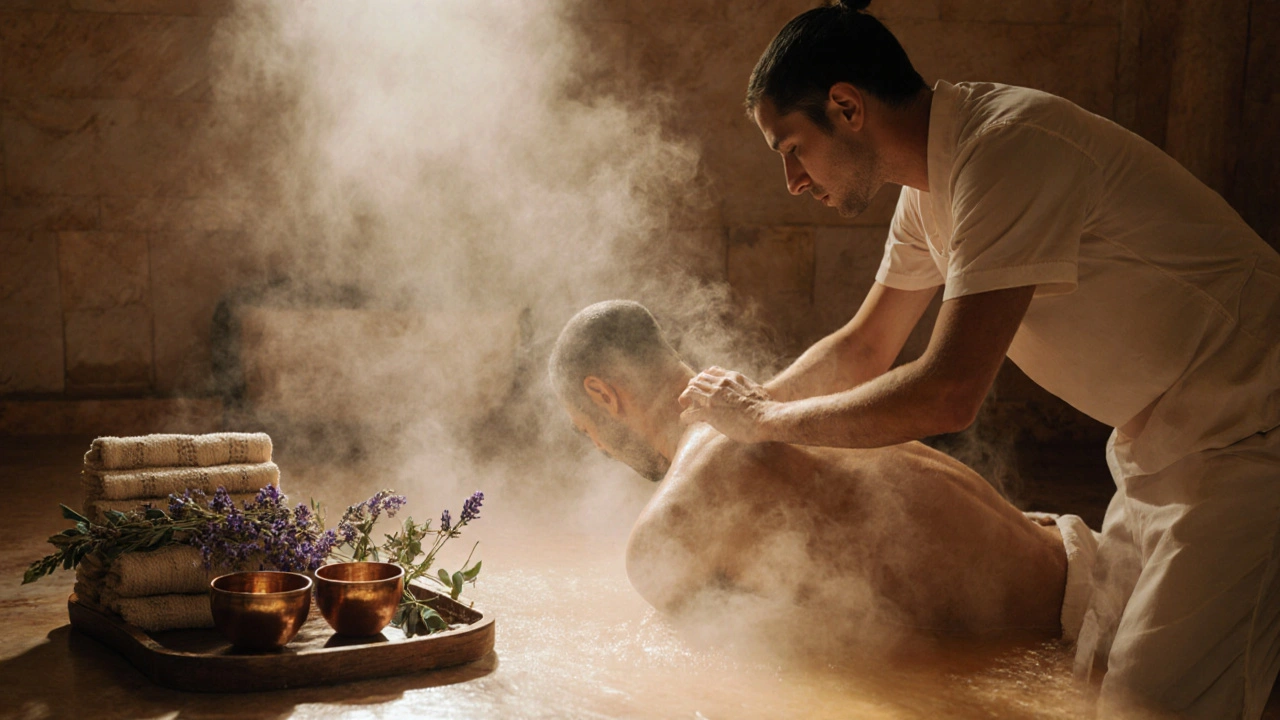
You walk into a quiet hallway in Beyoğlu, the scent of lavender and eucalyptus floating in the air. A soft chime sounds. A therapist smiles and gestures to a warm, dimly lit room. You’re here for a massage-but how much should you actually pay? And is it possible to get real luxury without breaking the bank? In Istanbul, the answer is yes. But only if you know where to look.
Key Takeaways
- Average massage prices in Istanbul range from 300 TL to 1,200 TL, depending on type, location, and duration.
- Traditional Turkish hammam massages start as low as 350 TL and offer full-body detox with steam and scrub.
- High-end spas in Nişantaşı or Bebek charge 800-1,200 TL for 90-minute sessions with premium oils and private suites.
- Hidden gems in Kadıköy and Üsküdar deliver 5-star quality at 40% lower prices than tourist-heavy areas.
- Always book in advance, ask about included amenities, and avoid places that don’t list prices upfront.
What’s the Real Price of a Massage in Istanbul?
Istanbul isn’t just a city of minarets and bazaars-it’s a spa capital. But prices? They can be confusing. Walk into a shop near Sultanahmet, and you might see a sign saying “60-minute massage: 500 TL.” Sounds great, right? Then you get there and realize that’s just the base rate-no towels, no tea, no private room. Add those, and you’re up to 800 TL.The truth? You can get a truly luxurious experience in Istanbul for under 600 TL. But you need to know what you’re paying for.
Most places charge by time: 60 minutes, 90 minutes, or 120 minutes. But quality isn’t always tied to length. A skilled therapist with warm stones and organic argan oil can make a 60-minute session feel like a day at a five-star resort. Meanwhile, a 90-minute session with a rushed technician and cheap lotion? You’ll leave feeling more tired than relaxed.
Types of Massages Available in Istanbul
Istanbul offers more than just Swedish or deep tissue. Here’s what you’ll actually find on the ground:- Traditional Turkish Hammam Massage - This isn’t just a massage. It’s a ritual. You start with steam, then a full-body black soap scrub, followed by a foam rinse and a 20-30 minute massage with olive oil. Prices: 350-550 TL. Best for detox and skin renewal.
- Swedish Massage - Gentle, flowing strokes to ease tension. Great for first-timers. Prices: 400-700 TL.
- Deep Tissue Massage - For knots, chronic pain, or athletes. Uses slower, firmer pressure. Prices: 500-800 TL.
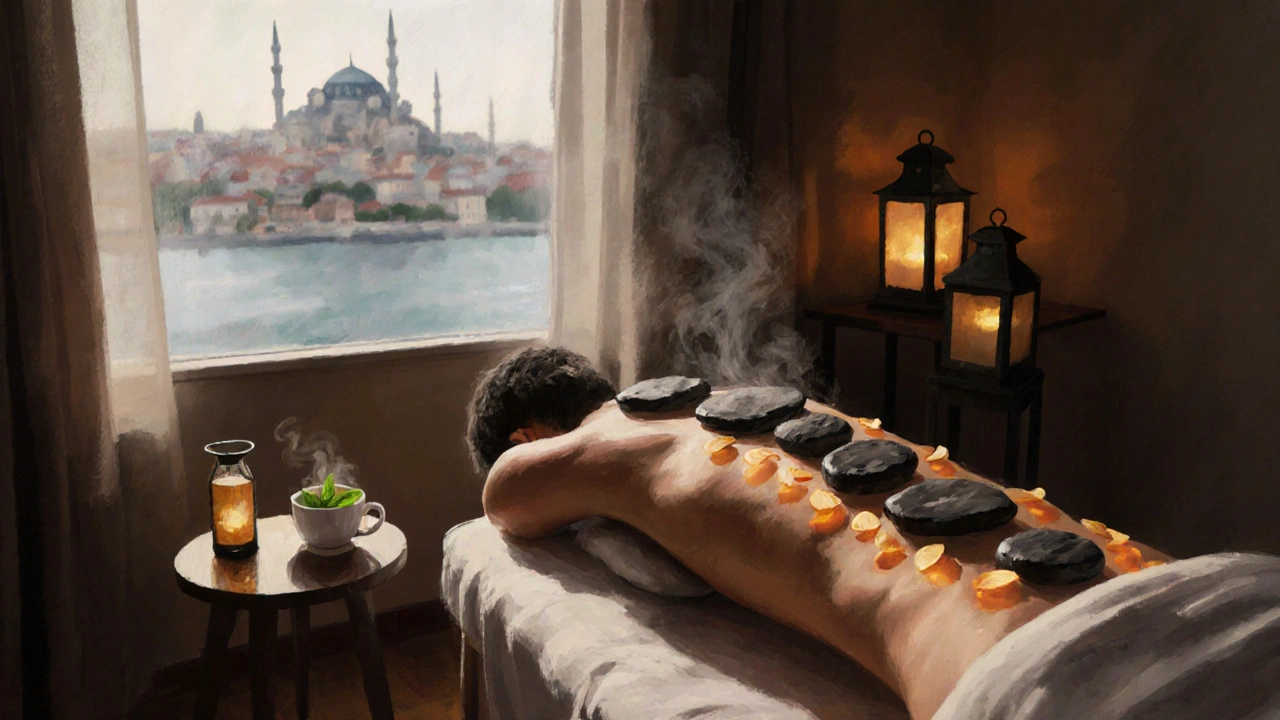
- Hot Stone Massage - Smooth, heated basalt stones melt tension. Often paired with aromatherapy. Prices: 650-1,000 TL.
- Couples Massage - Two therapists, one room, shared tranquility. Ideal for anniversaries or date nights. Prices: 1,000-1,600 TL for 90 minutes.
- Thai Massage - Yoga-like stretches and acupressure. Done on a mat, fully clothed. Prices: 450-750 TL. Popular in Kadıköy and Üsküdar.
Don’t be fooled by names like “Tantric” or “Nuru.” Those are often marketed to tourists and carry a premium with questionable quality. Stick to the classics if you want real results.
Where to Find the Best Massage Deals in Istanbul
Location makes a huge difference. Here’s the insider breakdown:- Tourist Zones (Sultanahmet, Taksim, Istiklal) - Prices are inflated. You’re paying for the view, not the skill. Avoid unless you want a souvenir massage.
- Upmarket Areas (Nişantaşı, Bebek, Çırağan) - These are the luxury spots. Think marble floors, private steam rooms, and therapists trained in Europe. Expect to pay 800 TL and up. Worth it if you want pampering.
- Local Favorites (Kadıköy, Üsküdar, Bakırköy) - This is where locals go. Quiet, authentic, and priced for real life. A 90-minute hot stone massage? 550 TL. A hammam with full ritual? 400 TL. These places rarely have English signs-but they have loyal customers.
- Hotel Spas (Four Seasons, Ritz-Carlton, Shangri-La) - Premium, yes. But often overpriced. A 60-minute massage here can hit 1,200 TL. Only go if you’re already staying there.
Pro tip: Ask for “lokallerin favorisi” (locals’ favorite). Most therapists will point you to a hidden gem.
What to Expect During Your Session
You’re not just getting rubbed down. A good massage in Istanbul is an experience.When you arrive, you’ll be offered herbal tea-usually chamomile or mint. You’ll change into a robe, then be led to a quiet room with soft lighting. The therapist will ask about pressure, injuries, and goals. No one will rush you.
During the massage, expect:
- Warm towels and heated tables
- Organic oils (olive, almond, or jojoba-never synthetic)
- Optional aromatherapy (lavender, orange blossom, or rose)
- Quiet, respectful silence-or gentle, soothing music
- Aftercare: a cool towel on your neck, more tea, and maybe a light snack
Real luxury? It’s in the details. A therapist who remembers your name. Who notices you flinch when they touch your shoulder. Who offers a second round of oil without you asking. That’s what separates a 400 TL massage from a 1,200 TL one.
How to Book Without Getting Scammed
Istanbul has a few shady operators. Here’s how to avoid them:- Check reviews on Google or TripAdvisor - Look for recent photos and detailed comments. Avoid places with only 5-star reviews and no real stories.
- Call ahead - Ask for the full price, including tax and service fee. If they hesitate, walk away.
- Look for licensed spas - Many have a small certificate on the wall from the Istanbul Health Directorate. If you don’t see one, ask.
- Book online - Platforms like SpaFinder or local apps like Yemeksepeti Spa let you see real prices, book in advance, and pay securely.
- Never pay in cash upfront - Use card or app. It’s safer and gives you recourse if something’s wrong.
And if someone says, “We can do special massage for you,” and winks? Run. That’s not luxury. That’s a trap.
Comparison: Turkish Hammam vs. Swedish Massage in Istanbul
| Feature | Turkish Hammam Massage | Swedish Massage |
|---|---|---|
| Price Range | 350-550 TL | 400-700 TL |
| Duration | 60-90 minutes | 60 minutes |
| Attire | Naked (covered by towel during massage) | Naked (draped with towel) |
| Technique | Scrub + steam + oil massage | Long, flowing strokes |
| Best For | Detox, skin glow, full-body reset | Relaxation, stress relief, gentle tension release |
| Where to Find | Historic hammams (Çemberlitaş, Ayasofya Hamamı), local baths in Kadıköy | Spas in Nişantaşı, boutique hotels, wellness centers |
Frequently Asked Questions
Is a 300 TL massage in Istanbul too good to be true?
Yes. A 300 TL massage usually means no steam, no scrub, no quality oil, and possibly an unlicensed therapist. You might get a quick rub, but you won’t feel the difference the next day. Real Turkish hammam experiences start at 350 TL. Anything lower is likely a front for something else.
Do I need to tip my massage therapist in Istanbul?
Tipping isn’t expected, but it’s appreciated. If your therapist went above and beyond-offered extra oil, remembered your injury, stayed late to adjust pressure-a 10-15% tip is a nice gesture. Many places include a service fee, so check your bill first.
Can I get a massage if I’m pregnant?
Absolutely-but only at spas that specialize in prenatal care. Not all therapists are trained for it. Look for places that mention “hamile kadınlar için” (for pregnant women) on their website or menu. Avoid deep pressure on the abdomen and lower back. Swedish and gentle Thai are safest.
What’s the best time to book a massage in Istanbul?
Book early morning or late afternoon. Weekdays are quieter, and therapists aren’t rushed. Avoid weekends between 4-8 PM-this is when tourists flood in. If you want peace, go on a Tuesday at 10 AM. You’ll get the best attention and the best price.
Are there any hidden fees I should watch out for?
Yes. Some places charge extra for: towels, robes, tea, aromatherapy, or even the use of the steam room. Always ask: “İçinde ne var?” (What’s included?). A transparent place will list everything upfront. If they say “it depends,” walk out.
Ready to Relax?
Istanbul’s massage scene isn’t about luxury for luxury’s sake. It’s about reclaiming calm in a city that never sleeps. You don’t need to spend 1,000 TL to feel like you’ve been transported somewhere sacred. Sometimes, the best experience comes from a quiet room in Kadıköy, a therapist who knows your name, and a cup of mint tea after the session.Start with a Turkish hammam. Try a 60-minute Swedish massage in Üsküdar. Book ahead. Ask questions. And let your body remember what peace feels like.
Let me just say, if you’re paying less than 500 TL for a ‘luxury’ massage in Istanbul, you’re not getting luxury-you’re getting a tourist trap with a side of regret. I’ve been there. The ‘hidden gems’? They’re usually just unlicensed rooms above kebab shops. Don’t fall for the ‘locals’ favorite’ lie. If it doesn’t have a website with photos of the steam room and therapist certifications, it’s not worth your time. And no, I don’t care if it’s ‘authentic.’ I want hygiene, not folklore.
I went to a little place in Kadıköy last month for 420 TL and it was the most peaceful hour of my entire trip. The therapist didn’t speak much, but she had this quiet confidence-like she’d been doing this for 30 years. No fancy lights, no music, just warm towels and olive oil that smelled like the Mediterranean. I cried a little at the end. Not because it hurt, but because I finally felt seen. Sometimes luxury isn’t about the price tag. It’s about the silence between the strokes.
You misspelled ‘hammam’ as ‘hamam’ in the table. Also, ‘Jojoba’ is not ‘jojoba’-capital J. And ‘Nuru’ isn’t ‘often marketed’-it’s a Japanese lubricant massage, not Turkish. Fix your facts before you mislead people.
Ugh I hate how people act like 350 TL is ‘real’ luxury when it’s literally just a scrub and someone rubbing your back for 20 minutes. I went to one of those places and the therapist was literally asleep during my massage. And don’t even get me started on ‘organic oils’-half the time it’s just vegetable oil with a drop of lavender. And why do people always say ‘ask for lokallerin favorisi’ like it’s magic? That’s just a phrase they say to tourists to make them feel special. I’m so tired of this performative wellness culture
Y’all are overthinking this so much. I went to a place in Üsküdar that didn’t even have a sign-just a door with a bell. The lady inside smiled, handed me mint tea in a chipped cup, and I got a 90-min hot stone for 500 lira. No fancy names, no brochures, no ‘premium oils’-just hands that knew exactly where my knots were. I didn’t need a website to tell me it was good. My body knew. And honestly? That’s the real luxury. No fluff. No hashtags. Just warmth. And tea. And silence. I’m still floating.
OMG I did the Turkish hammam in Çemberlitaş and it changed my life 🙏 I felt like a new person after. The scrub was intense but so good and the oil massage felt like being wrapped in sunshine. I cried happy tears. If you’re even thinking about it-just GO. Don’t overthink it. Book it. Bring a friend. It’s not just a massage-it’s a reset button for your soul. Trust me. You’ll thank yourself later 💛
There’s a critical oversight in the article’s pricing structure: many of the listed prices don’t account for VAT, which in Turkey is 18% for spa services, and some establishments add a mandatory 10% service charge that isn’t always disclosed upfront. Additionally, the distinction between ‘traditional hammam’ and ‘spa hammam’ is blurred-authentic historic hammams like Ayasofya Hamamı charge more because they’re heritage sites with licensed artisans, whereas newer ‘hammam-style’ spas are often just heated rooms with a scrub. Also, the recommendation to book via Yemeksepeti Spa is misleading; their pricing is often inflated by 20–30% compared to direct booking. And for pregnant clients, it’s not just about ‘specialized’ spas-therapists need specific training in prenatal lymphatic drainage, which most don’t have. I’d suggest contacting the Turkish Spa Association for certified providers. Also, ‘Thai massage on a mat’ isn’t ‘yoga-like’-it’s a form of assisted yoga, and if the therapist pulls too hard, you risk ligament strain. Please be cautious.
Here’s the truth no one wants to admit: Istanbul’s massage culture is a performance of exoticism wrapped in capitalist nostalgia. You’re not paying for ‘relaxation’-you’re paying for the illusion of authenticity. The ‘local favorite’? That’s a marketing tactic invented by expats who opened shops in 2018 and now call themselves ‘healers.’ The ‘organic oils’? Mostly imported from Turkey’s own industrial farms. The ‘quiet room’? Probably next to a kitchen where they fry fish at 6am. And let’s not forget-the real luxury isn’t the massage, it’s the privilege to even have the time to get one. Meanwhile, the women scrubbing your back make 1/5 of what you paid and live in 3-room apartments with 5 kids. So yes, you got your ‘peace.’ But who paid for it? The system did. And you’re just the happy customer.