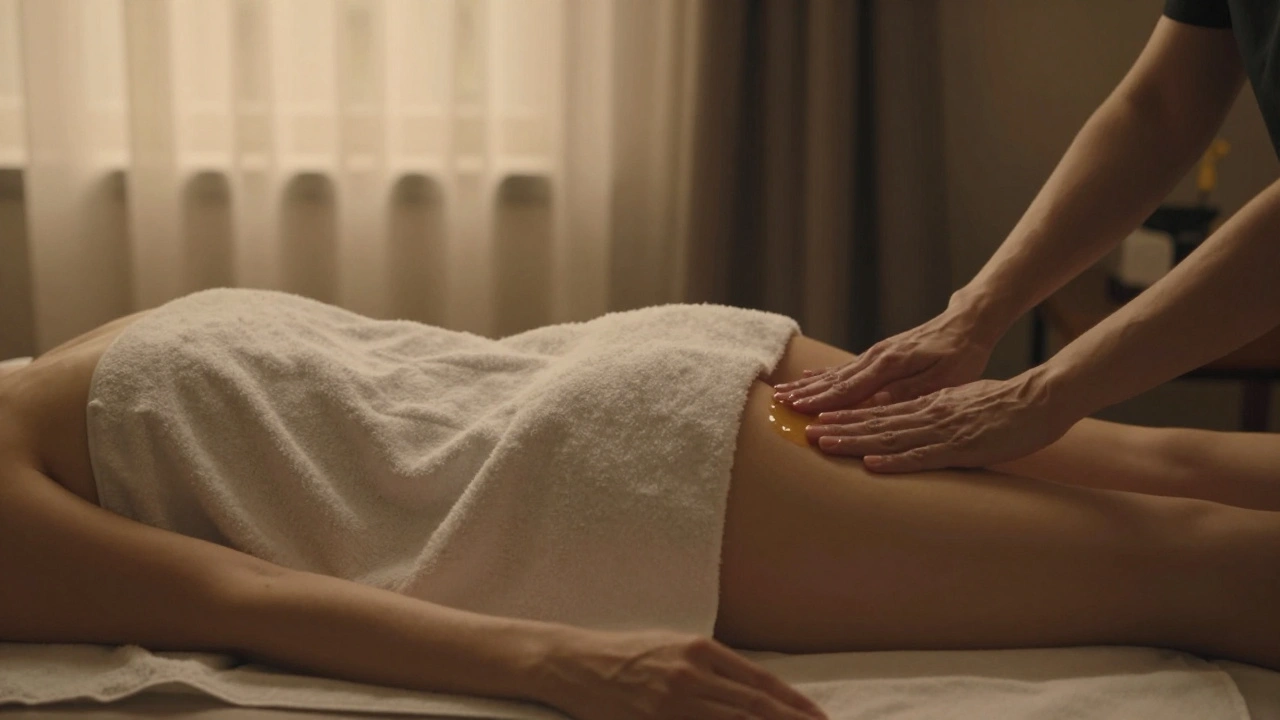
You’ve heard whispers about it. Maybe a friend mentioned it in hushed tones, or you stumbled on a post online and scrolled past too fast. But what if I told you that yoni massage isn’t about sex, pleasure, or taboo-it’s about reclaiming your body, your rhythm, and your peace?
What Exactly Is Yoni Massage?
Yoni is the Sanskrit word for the sacred space-the womb, the source, the feminine doorway. A yoni massage isn’t a sexual act. It’s a gentle, intentional touch practice designed to release stored tension, trauma, and emotional blockages from the pelvic region. Think of it like a deep reset button for your nervous system, but focused on the area most women are taught to ignore, hide, or even feel ashamed of.
This isn’t something you do with a partner. It’s not about arousal. It’s about awareness. Practitioners use slow, warm, oil-based strokes-never penetration-to help the muscles of the vulva, vaginal opening, and surrounding tissues relax. Many women report feeling a wave of warmth, emotional release, or even tears during their first session. That’s not unusual. It’s your body remembering it’s safe to feel again.
Why This Matters for Women Today
Let’s be real: modern life is exhausting. Between work stress, parenting, hormonal shifts, and the constant pressure to be ‘on,’ most women live in a state of low-grade tension. And where does that tension hide? In the hips. In the lower back. In the pelvic floor.
Studies show that up to 80% of women experience some form of pelvic floor dysfunction-tightness, pain during sex, urinary leaks, or chronic discomfort-yet few ever talk about it. Why? Because we’re taught to suffer in silence. Yoni massage doesn’t fix medical conditions, but it does create space for healing. It helps the body release chronic holding patterns that no amount of yoga or stretching can touch.
One woman I know, a 38-year-old teacher from Ankara, started yoni massage after years of pain during intercourse. She didn’t expect to cry during her first session. But she did. And afterward, she said, “I felt like I’d been holding my breath for ten years. I didn’t even know I was doing it.”
The Real Benefits-Beyond the Hype
- Reduces pelvic pain: Chronic tension in the pelvic floor is often the hidden cause of lower back pain, painful periods, and discomfort during sitting. Gentle massage helps release this.
- Improves sexual sensation: When the tissues are relaxed and blood flow increases, sensitivity returns. Many women report stronger orgasms-not because they’re “turned on,” but because they’re finally present in their bodies.
- Heals emotional trauma: Sexual abuse, birth trauma, or even societal shame can get stored in the pelvic region. Yoni massage creates a safe container for release, often without words.
- Boosts self-connection: Touching yourself with intention, without judgment, builds a deep sense of self-worth. It’s not vanity-it’s sovereignty.
- Supports hormonal balance: The pelvic area is rich with nerve endings connected to the endocrine system. Calming this area can help regulate stress hormones like cortisol.
These aren’t marketing claims. They’re experiences shared by women across Istanbul, Berlin, Tokyo, and beyond-women who dared to try something different and found more than relief. They found reconnection.
How It Works: A Step-by-Step Experience
If you’ve never tried it, the idea might feel intimidating. Here’s what actually happens in a professional session:
- Consultation: You’ll talk privately with the practitioner-no judgment, no pressure. You can share as much or as little as you want.
- Preparation: You’ll undress from the waist down and cover yourself with a warm towel. The room is dim, quiet, and temperature-controlled.
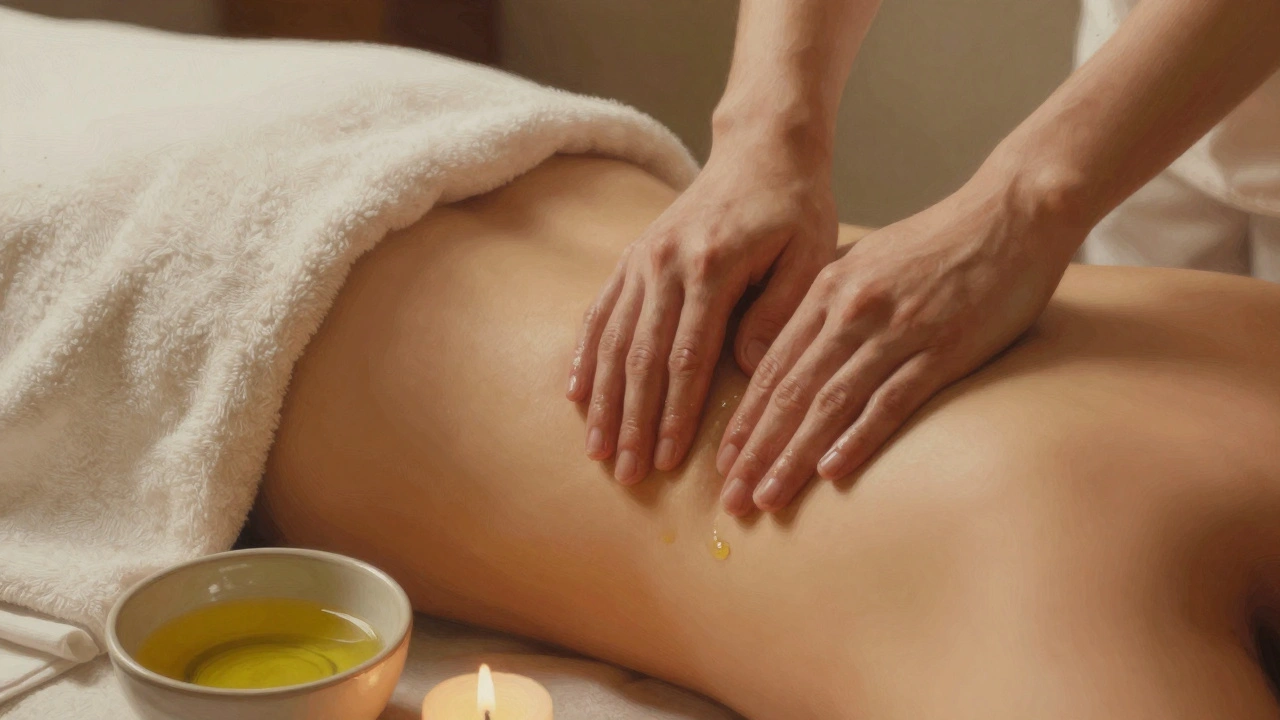
- Touch: The practitioner uses warmed organic oil and slow, rhythmic strokes. No fingers enter the vagina. The focus is on the outer lips, perineum, and surrounding muscles. The pressure is light, like a breeze.
- Release: You might feel tingling, warmth, or emotional waves. That’s normal. The practitioner stays present, offering breath cues or silence as needed.
- Integration: Afterward, you’ll rest. Sometimes tea is offered. There’s no rush. You’re encouraged to journal or just sit with how you feel.
Most sessions last 60 to 90 minutes. No music. No talking. Just presence.
What to Look For in Istanbul
Not every spa offering “yoni massage” is legit. In Istanbul, you’ll find a mix of authentic practitioners and those using the term as a buzzword. Here’s how to tell the difference:
- Look for certification: Reputable practitioners train in tantric somatics, pelvic floor therapy, or women’s wellness modalities-not just “massage school.”
- Ask about boundaries: A true practitioner will clearly state that no penetration occurs and that your comfort comes first.
- Check reviews from women: Look for testimonials that mention emotional release, not just “relaxation.”
- Trust your gut: If the website feels sexualized, or the booking process is pushy, walk away.
Some trusted studios in Istanbul include Yoni House in Beyoğlu and Still Waters in Kadıköy. Both prioritize safety, consent, and deep healing over aesthetics.
Yoni Massage vs. Sensual Massage
| Aspect | Yoni Massage | Sensual Massage |
|---|---|---|
| Primary Goal | Healing, release, self-awareness | Relaxation, arousal, pleasure |
| Touch Focus | Outer vulva, perineum, pelvic floor muscles | Full body, often including genital stimulation |
| Penetration? | No | Often yes |
| Emotional Outcome | Catharsis, clarity, calm | Excitement, temporary euphoria |
| Practitioner Training | Therapeutic, somatic, trauma-informed | General massage or erotic service training |
| Aftercare | Quiet rest, tea, journaling | Often none |
The difference isn’t subtle. One is medicine. The other is entertainment. Know which one you’re seeking.
What to Expect After Your First Session
Some women feel lighter immediately. Others feel nothing at first. That’s okay. Healing isn’t linear.
Within 24 to 48 hours, you might notice:
- Deeper sleep
- Less lower back ache
- Stronger connection to your breath
- A quiet sense of pride in your body
Some women feel emotionally raw. That’s normal. Your body has been holding on. Letting go takes time. Drink water. Rest. Don’t schedule anything demanding right after.
Many women return for a second or third session-not because they’re addicted, but because they finally feel like themselves again.

Safety First: Who Should Avoid It
Yoni massage is safe for most women-but not everyone. Avoid it if you:
- Have an active infection (yeast, UTI, herpes outbreak)
- Are in your first trimester of pregnancy (unless cleared by your provider)
- Have recently had pelvic surgery
- Are currently in therapy for severe trauma and haven’t discussed it with your therapist
Always disclose your full health history. A good practitioner will never pressure you.
FAQ: Your Questions Answered
Is yoni massage only for women who’ve experienced trauma?
No. While it’s powerful for trauma recovery, it’s equally valuable for women who’ve never had a bad experience but simply feel disconnected from their bodies. Many women come because they’ve lost sensation, feel numb during sex, or just want to feel more alive in their skin.
Can I do this on my own?
Yes-and you should. Self-yoni massage is a beautiful practice. But if you’ve never touched that area with kindness, starting with a trained practitioner helps you learn how to be gentle, how to breathe, and how to release without shame. After one or two sessions, many women feel confident to continue at home.
Does it hurt?
It shouldn’t. If you feel pain, speak up immediately. The goal is comfort, not intensity. Some women feel a slight pressure or warmth, but never sharp pain. If you’ve had negative experiences in the past, the practitioner will go even slower.
How much does it cost in Istanbul?
Prices range from 350 to 700 Turkish Lira per session, depending on the studio and length. That’s comparable to a deep tissue massage or acupuncture. Remember: you’re paying for expertise, safety, and space-not a service. Avoid anything under 250 TL-it’s likely not professional.
Will I feel aroused?
Sometimes. But arousal isn’t the goal. Your body might react physically because nerves are being stimulated-but that doesn’t mean you’re turned on. It’s like when your knee jerks during a reflex test. It’s automatic, not emotional. A good practitioner will help you stay grounded if this happens.
Ready to Try It?
You don’t need to be broken to benefit from yoni massage. You just need to be tired of ignoring the quiet ache in your body. This isn’t a luxury. It’s a return to wholeness.
Book your first session. Not because you think you should. But because you deserve to feel safe in your own skin again. You’ve carried enough. Let your body remember how to breathe.
I never thought about pelvic tension being the root of my lower back pain until I read this. I’ve been doing yoga for years and still woke up every morning like I’d been hit by a truck. This makes so much sense.
so you’re telling me paying 700 lira for someone to touch my vag with oil is now self care and not just fancy prostitution 🤡
I’m a guy but I’ve got a sister who did this in Berlin and it changed her life. She’d been depressed for years after her divorce and said this was the first time she felt like her body wasn’t a battlefield. I think we need to stop laughing at this and start listening. Women have been told for centuries that their pain isn’t real. This isn’t woo-woo, it’s somatic therapy with a fancy name.
My mom had a hysterectomy at 42 and spent the next decade in chronic pain. She never talked about it. If someone had offered her this gently, without shame, I think she’d have had a different decade. We’re not just talking about sex here. We’re talking about dignity.
And yeah, I know it sounds weird. I thought it did too. Until I saw my sister cry during her first session-not from arousal, from relief. Like she’d been holding her breath since she was 12.
There is no such thing as yoni massage. It's a made up term to sell spa packages to women who feel guilty for not being 'in touch' with their bodies. You don't need oil and a stranger to feel safe. You need therapy. And a good pair of yoga pants.
India has had this for centuries in tantric traditions but now westerners make it a trend? 🙄 First it was acupuncture, now this. You people turn sacred practices into Instagram content. Also, 700 TL? In Delhi, you can get a real shakti chakra cleanse for 500 rupees and no one touches you at all. Just chanting and incense.
I tried this after my divorce and I cried for three days straight. I didn’t know I was holding onto my ex’s abuse in my hips. Now I can’t sleep without touching myself like that. I’m addicted. I don’t care what anyone says. This saved me.
This isn’t about massage. It’s about reclamation. The pelvic region is where we store everything we’re not allowed to say-fear of pleasure, shame of menstruation, grief over lost fertility, rage at being told to be quiet. The body doesn’t lie. It holds trauma like a library of unsent letters. A gentle, non-sexual touch is one of the few ways the nervous system can finally say: ‘I’m safe now.’
This practice echoes ancient traditions from Bali to the Amazon-not as a novelty, but as medicine. Western medicine treats symptoms. This treats the silence. You can’t prescribe that with a pill. You need presence. You need stillness. You need someone who won’t look away when you cry.
And yes, it’s uncomfortable. Healing rarely feels good in the moment. But the alternative? Living numb. That’s the real tragedy.
OMG I DID THIS IN CAPE TOWN AND IT WAS THE MOST TRANSFORMATIVE EXPERIENCE OF MY LIFE I MEAN LIKE I FELT MY SOUL UNFOLDING LIKE A FLOWER BUT ALSO I WASN’T EVEN TURNED ON WHICH IS WEIRD BECAUSE I’M A LIBIDO MONSTER BUT NOW I JUST FEEL… WHOLE?? I’M TELLING EVERY WOMAN I KNOW AND I EVEN WROTE A TIKTOK ABOUT IT BUT MY MOM SAID I’M GOING TO HELL SO I DELETED IT BUT I’M STILL DOING IT EVERY MONTH AND I’M TAKING MY BEST FRIEND NEXT TIME AND SHE’S SO SKEPTICAL BUT SHE’LL SEE I’M RIGHT
They’re using this to track your bio-data. I read a leak last year. These ‘massage studios’ are linked to a biotech firm that harvests your neural responses during sessions. Next thing you know, your hormones are being manipulated by AI. That’s why they don’t want you talking about it. 🧠👁️
It’s not yoni massage-it’s pelvic somatic release. And if you’re paying less than 900 TL, you’re not getting a practitioner who studied with Dr. Maya Sivaraman at the Tantric Institute in Pondicherry. The oil must be cold-pressed sesame infused with rose quartz crystals. Otherwise, you’re just getting a spa cliché.