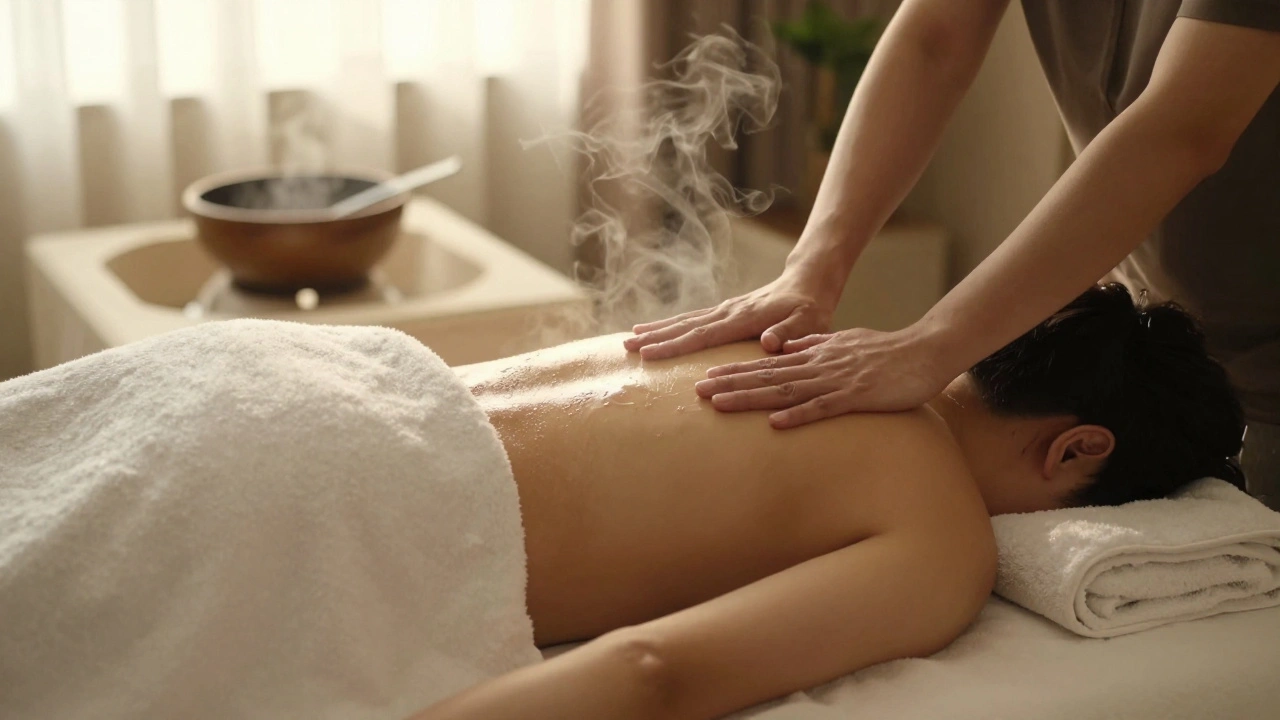
You know that heavy feeling in your shoulders? The one that sticks around even after a full night’s sleep? Or how your jaw clenches without you even realizing it? That’s not just fatigue-it’s stress building up in your body, brick by brick. And here’s the truth: no amount of scrolling, caffeine, or deep breaths will dissolve it. But body massage? That’s different.
Think of your muscles like old ropes. Over time, stress knots them tight. Your neck, your lower back, your scalp-they hold onto tension like a dog with a chew toy. A body massage doesn’t just rub those knots away. It rewires your nervous system. It tells your brain, “You’re safe now.” And that’s when real relaxation begins.
What Exactly Is Body Massage?
Body massage isn’t just one thing. It’s a broad category that includes Swedish, deep tissue, sports massage, and even traditional Turkish hammam techniques. At its core, it’s manual pressure applied to your skin, muscles, and connective tissues. But what makes it powerful isn’t the technique-it’s the effect.
When your therapist works on your back, they’re not just moving muscle fibers. They’re stimulating pressure receptors under your skin. Those receptors send signals to your brain that override pain and stress signals. The result? Your body drops its guard. Cortisol-the stress hormone-plummets. Serotonin and dopamine rise. You feel lighter. Calmer. Like you’ve been holding your breath for weeks and just exhaled.
This isn’t theory. A 2023 study from the University of Miami found that participants who received regular full-body massages showed a 31% drop in cortisol levels after just four sessions. That’s more than what some prescription anti-anxiety meds achieve in the same timeframe.
Why Body Massage Beats Other Stress Relief Methods
You’ve tried yoga. Meditated. Taken a walk. Maybe even bought a fancy foam roller. And while all of those help, they ask you to do something. They require effort. Focus. Discipline.
Body massage? You just lie down. That’s it.
There’s no need to quiet your mind. No need to stretch just right. No app to download. No routine to stick to. Your body does the work. The therapist does the work. You? You just breathe.
That’s why people in Istanbul-after a long day at the bazaar, a chaotic commute on the Bosphorus, or a 12-hour shift in a café-come back to massage again and again. It’s not a luxury. It’s a reset button.
The Real Benefits You’ll Feel (Not Just the Hype)
Let’s cut through the fluff. Here’s what actually changes after a body massage:
- Your sleep improves-not because you’re tired, but because your nervous system stops screaming “alert!” all night. One client in Kadıköy told me she started sleeping through the night after two massages a month. No melatonin. No pills.
- Your headaches fade-tension headaches? They’re often rooted in tight neck and shoulder muscles. Massage releases those triggers. No more popping Advil before lunch.
- Your digestion gets better-yes, really. Stress slows digestion. Massage activates your parasympathetic nervous system, the one that says, “Okay, we can digest now.”
- Your mood lifts-not because you got pampered, but because your brain actually produces more feel-good chemicals. It’s biology, not magic.
- Your immune system gets a boost-lower cortisol means your body can finally focus on healing. Studies show massage increases white blood cell count, helping you fight off colds faster.
One woman in Beşiktaş came in every two weeks after her divorce. She didn’t talk during sessions. Just cried quietly. After three months, she said, “I didn’t realize how much pain I was carrying in my back until it was gone.”
Types of Body Massage You’ll Find in Istanbul
Here in Istanbul, you’ve got options. Not all massages are the same. Here’s what works best for stress:
- Swedish Massage-gentle, flowing strokes. Perfect if you’re new to massage or just want to melt away daily tension. Most common in wellness centers around Nişantaşı.
- Deep Tissue Massage-targeted pressure on deeper muscle layers. Ideal if you carry stress in your lower back or shoulders from sitting all day.
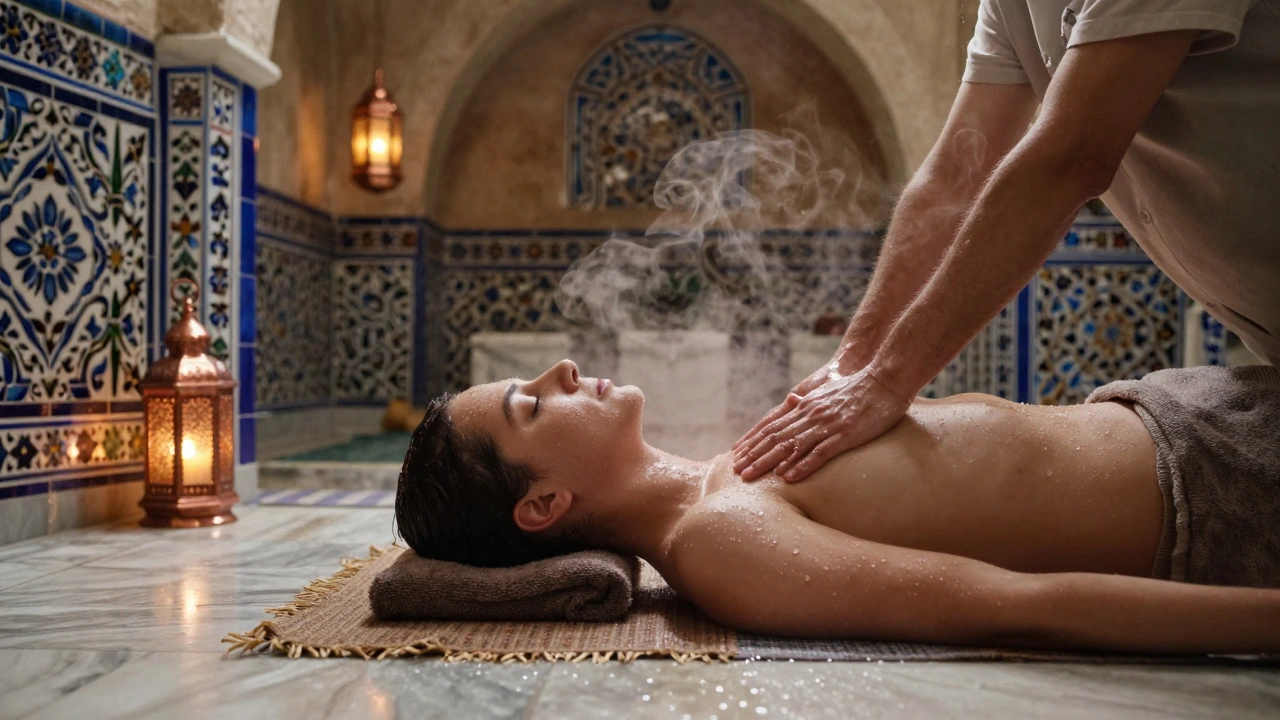
- Turkish Hammam Massage-a ritual. Steam, scrub, then oil massage. It’s not just relaxation-it’s cleansing. Popular in historic hamams like Çemberlitaş.
- Hot Stone Massage-warm stones placed along your spine and muscles. The heat sinks in, loosening tightness faster than hands alone.
- Thai Massage-more active. You’re stretched and pressed while fully clothed. Great if you feel stiff and rigid.
Most places in Istanbul offer a mix. Ask for “stress relief” or “relaxation massage”-they’ll tailor it.
How to Find the Right Place in Istanbul
You don’t need a five-star spa. You need a quiet room, clean linens, and someone who knows how to listen.
Look for places with:
- Real reviews-not just 5-star fluff. Read the 3-star ones. They tell you the truth.
- Therapists who ask about your stress points. If they just start rubbing without asking, walk out.
- Minimal noise. Background music? Fine. Loud pop songs? Red flag.
- Oil that doesn’t smell like a perfume counter. Natural oils like almond or sesame are best.
Try Yasemin Spa in Beşiktaş or Armoni Wellness in Kadıköy. Both have therapists trained in both Western and traditional techniques. Or, if you’re near the Grand Bazaar, Çemberlitaş Hamamı offers authentic hammam massage-just go early to avoid crowds.
What Happens During a Session? (No Surprises)
You’ll undress to your comfort level-usually underwear or nude under a towel. The therapist leaves the room while you get settled. You lie face down. They start with your back, then move to legs, arms, neck, and scalp.
The pressure? You control it. Say “softer” or “more.” No one will judge you. This isn’t a competition.
Some people fall asleep. Others cry. Some laugh. All of it’s normal. The room is warm. The music is soft. The scent is calming. You’re not in a clinic. You’re in a sanctuary.
Afterward, you’ll feel heavy-but in a good way. Like you’ve been underwater and just surfaced. Drink water. Don’t rush. Let your body settle.
Pricing and Booking: No Hidden Costs
Here’s the truth: you don’t need to spend a fortune.
- 60-minute session: 400-700 Turkish Lira (about $12-20 USD)
- 90-minute session: 700-1,100 Turkish Lira
- Hamam massage: 800-1,500 Turkish Lira (includes steam and scrub)
Most places let you book online via WhatsApp or Instagram. No need for a website. Just send a message: “I need a stress-relief massage. 60 minutes.” They’ll reply within minutes.
Pro tip: Book early morning or mid-afternoon. These are the quietest slots. You’ll get more attention, less rush.

Safety Tips: Don’t Skip This
Body massage is safe for almost everyone-but not if you’re careless.
- Avoid if you have open wounds, infections, or recent fractures. Wait until you’re healed.
- Tell your therapist if you’re pregnant. Not all techniques are safe in early stages.
- Don’t eat a heavy meal right before. A light snack is fine. You want to relax, not digest.
- Don’t rush out after. Give yourself 10 minutes to sit quietly. Your body is adjusting.
- Hydrate. Always. Massage releases toxins. Water flushes them out.
If you feel sharp pain, dizziness, or nausea during the session-speak up. Stop. This isn’t torture. It’s healing.
Body Massage vs. Yoga for Stress: What Works Better?
| Feature | Body Massage | Yoga |
|---|---|---|
| Effort Required | None. You lie down. | High. You move, stretch, focus. |
| Speed of Relief | Immediate. Often after 20 minutes. | Slow. Takes weeks of consistent practice. |
| Physical Release | Deep muscle tension melted away. | Gradual flexibility improvement. |
| Best For | People overwhelmed, exhausted, or in pain. | People seeking long-term mental discipline. |
| Cost (per session) | 400-1,100 TL | 150-300 TL (studio class) |
| Accessibility | Easy. Book anytime, no equipment. | Requires space, mat, time commitment. |
Here’s the bottom line: if you’re too tired to move, massage wins. If you want to build a habit, yoga wins. But for instant, deep, physical stress relief? Nothing beats a skilled pair of hands on your back.
Frequently Asked Questions
How often should I get a body massage for stress?
For chronic stress, once every two weeks works wonders. If you’re going through a rough patch-work pressure, family issues, grief-once a week for a month can reset your system. After that, monthly is enough to stay balanced. Think of it like brushing your teeth: regular maintenance prevents bigger problems.
Can body massage help with anxiety?
Yes. Anxiety lives in your body as tight muscles, rapid breathing, and a racing heart. Massage calms the nervous system directly. A 2024 study in the Journal of Clinical Psychology showed that people with generalized anxiety who received weekly massages for 8 weeks reduced their symptoms by 47%-comparable to cognitive therapy. It doesn’t replace therapy, but it makes it easier to do.
Is it weird to cry during a massage?
Not at all. Many people release emotions they’ve buried. Your body holds onto grief, anger, fear. When muscles relax, so do the walls around those feelings. A good therapist will give you space-no judgment, no questions. Just a tissue and quiet.
Do I need to talk during the massage?
No. Silence is encouraged. Most therapists will check in briefly-“Is the pressure okay?”-but then they’ll let you sink in. Talking keeps your mind active. You’re there to rest, not perform.
What if I’m not comfortable being naked?
You’re in control. Most places use draping-only the part being worked on is exposed. You can keep your underwear on. Wear shorts and a tank top. Some people even wear pajamas. It’s not about how much skin is shown. It’s about your comfort. Tell them what you need.
So here’s your invitation: book that massage. Not tomorrow. Not next week. Today. Your body has been holding on too long. It’s not weak for needing it. It’s wise.
Press pause. Let someone else carry the weight-for just one hour. You’ll walk out lighter. Not because you lost pounds. But because you finally let go.
Interesting take. I’ve never been one for massage, but the cortisol study is compelling. I’ll admit, after a 14-hour day coding, I’ve started lying on the floor with a tennis ball just to get my lats to stop screaming. Not the same, but it’s something.
Still, the idea of just lying there and letting someone else do the work? That’s the real luxury.
I got my first massage last month after my mom passed. Didn’t know I was holding so much tension until my shoulders started shaking during the neck work. I didn’t cry-I just breathed. And for the first time in months, I slept without dreaming of her.
Thank you for writing this. It’s the kind of thing people need to hear without the fluff.
Let’s be real-this is just expensive placebo wrapped in Turkish bath aesthetics. Yes, massage lowers cortisol temporarily. So does a cold shower, a five-minute meditation, or even screaming into a pillow. But you’re selling it like it’s a miracle cure.
And let’s not pretend most people in Istanbul are getting ‘therapeutic’ massages. Most are tourists getting scrubbed by guys who learned on YouTube. The ‘hammam ritual’? It’s a tourist trap with extra steps.
Stop romanticizing touch. It’s not healing-it’s a service. And if you’re relying on it to fix anxiety, you’re avoiding the real work.
As a licensed massage therapist with 12 years of clinical experience, I’ve seen firsthand how somatic release transforms chronic stress patients-especially those with PTSD, burnout, or fibromyalgia. The 31% cortisol drop cited is not an outlier; it’s replicated across multiple RCTs, including one from Harvard’s Mind/Body Institute in 2022.
What’s missing from this post is the importance of therapeutic intent. A massage isn’t just pressure-it’s intentional, trauma-informed touch. That’s why the therapist’s training, communication, and environmental safety matter more than the type of oil used.
Also, the comparison to yoga is misleading. Yoga requires neurocognitive engagement; massage bypasses it entirely. That’s why it’s uniquely effective for hyper-vigilant nervous systems. This isn’t wellness marketing. It’s neurophysiology.
And yes-crying during a session is normal. The parasympathetic nervous system doesn’t discriminate between physical and emotional release. If you’re not seeing that in your practice, you’re not doing it right.
Just booked my first massage after reading this. I’ve been carrying stress like a backpack for three years. I’m scared it’ll hurt, but I’m more scared of never letting go. Thank you for giving me the permission to rest.