Quick Takeaways
- Soundscapes matter: Music isn’t just background noise; it regulates heart rate during sessions.
- Sync your beats: Aim for 60-80 BPM to match a relaxed breathing pattern.
- Avoid lyrics: Instrumental tracks prevent distraction and help partners stay connected.
- Volume control: Keep decibels low enough to maintain conversation whispers but high enough to mask distractions.
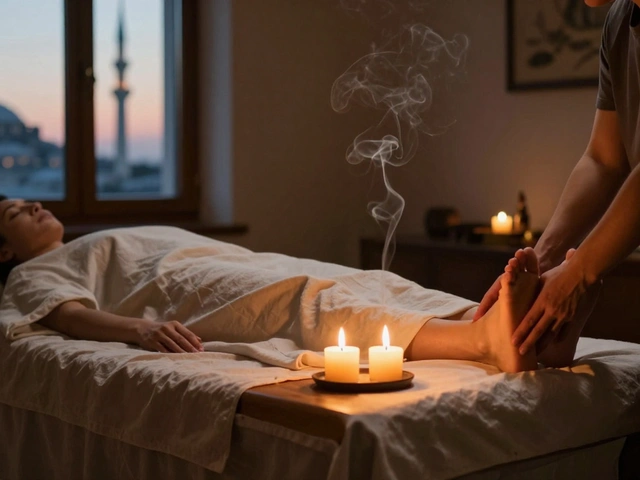
- Istanbul insight: Local wellness centers here often blend traditional ney flute with modern ambient tones.
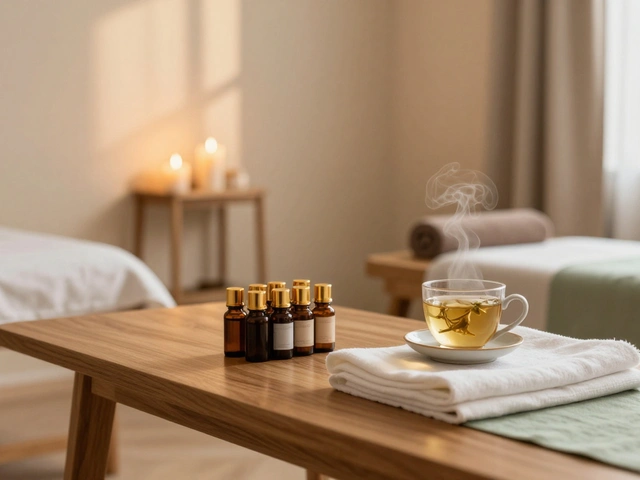
Imagine walking into a room where the air feels heavier, slower, and sweeter than outside. That shift happens before you even lie down. The right audio environment does heavy lifting for your nervous system. If you are planning a couple’s massage in Istanbul or trying to replicate that vibe at home, you need a strategy beyond just pressing play on ‘Chill Mix.’ We aren’t just talking about volume; we are talking about frequency response and biological synchronization.
Direct Answer
You want deep relaxation during a Couples Massage. The essential playlist consists of tracks between 60 and 80 beats per minute (BPM). Focus on genres like ambient drone, soft piano, or nature sounds. Avoid sudden tempo changes or lyrical vocals. This range mimics a resting heart rate, signaling safety to your brain. It creates a bridge between two bodies through shared auditory cues.
Why Silence Isn’t Always Golden
Some people think pure silence is best. In many cases, absolute quiet can highlight internal tension. When external stimuli drop, your internal monologue might get louder. A well-chosen soundscape acts as a gentle anchor. Think of it as a weighted blanket for your ears.
Research suggests auditory entrainment allows your physiology to sync with external rhythms. During a therapeutic session, this means your pulse slows down to match the music. For a couple, this synchrony enhances emotional bonding. You aren’t just lying next to each other; you are vibrating at similar frequencies. In cities like Istanbul, where the hustle outside is intense, bringing a sonic sanctuary inside becomes crucial for decompression.
Curating the Perfect Soundscape
Not all calm music works equally. Here is how different styles affect the experience.
| Genre | BPM Range | Best For | Potential Downside |
|---|---|---|---|
| Ambient Drone | 50-60 | Deep tissue work | Can feel static to some |
| Symphonic Piano | 70-80 | Sensual or Swedish massage | Occasional melody peaks |
| Nature Sounds | Variable | Stress relief & grounding | Animal noises may startle |
| Binaural Beats | Delta/Theta waves | Meditation mode | Requires headphones |
Ambient Drone works wonders for longer strokes. It lacks a clear beat, which prevents your body from predicting when the next phrase will hit. This unpredictability keeps the subconscious alert but calm. Symphonic Piano offers a bit more structure, which helps if you need to pace the pressure. Nature sounds are excellent, but ensure the recording quality is high. Crickets chirping perfectly timed can trigger stress in sensitive listeners.
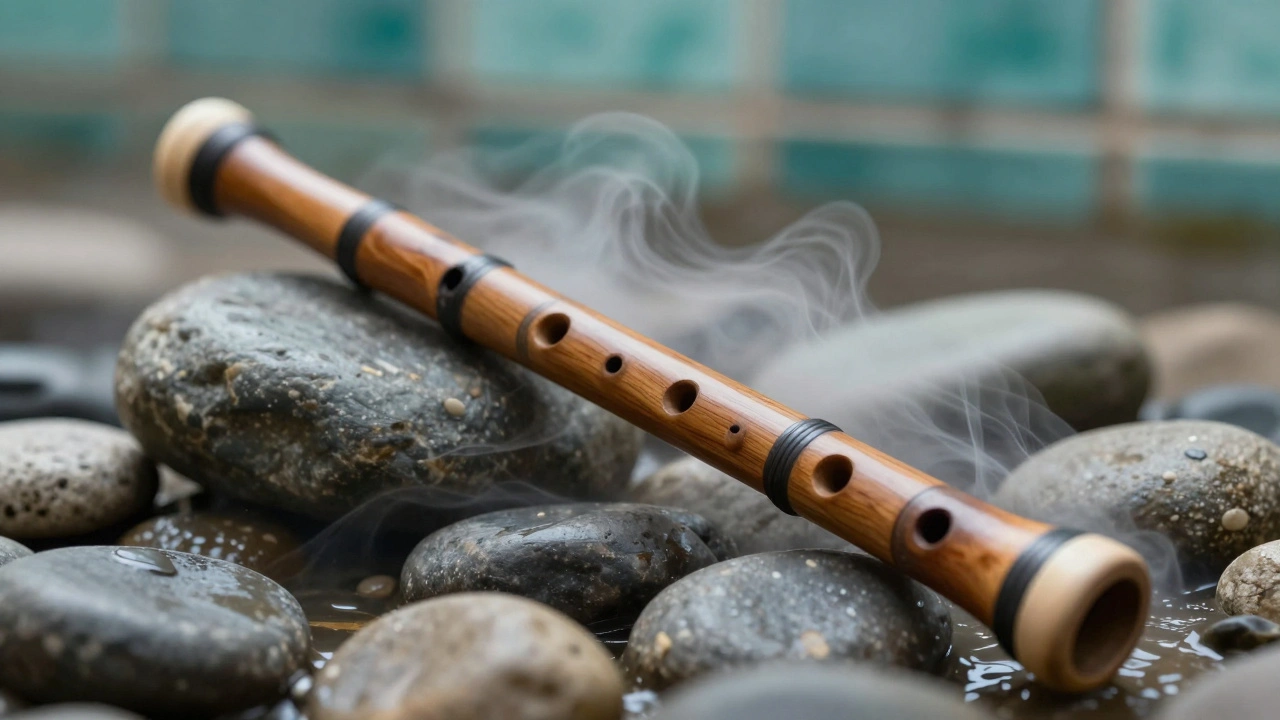
In the local scene here, you might encounter Ney Flute integration. This traditional Turkish woodwind instrument produces a hollow, mournful tone that resonates deeply in the chest cavity. It connects ancient relaxation traditions with modern wellness expectations.
Finding the Right Tracks
You have two paths: building your own library or using a pre-curated stream. Streaming platforms offer convenience, but algorithmic mixes might shift unexpectedly mid-session.
If you prefer manual control, search for "isochronic tones" or "alpha wave meditation." These aren’t just random melodies. They are engineered to stimulate specific brainwave states. For a couple’s session, prioritize playlists labeled "Deep Relaxation" rather than "Focus," which often implies higher energy beta waves.
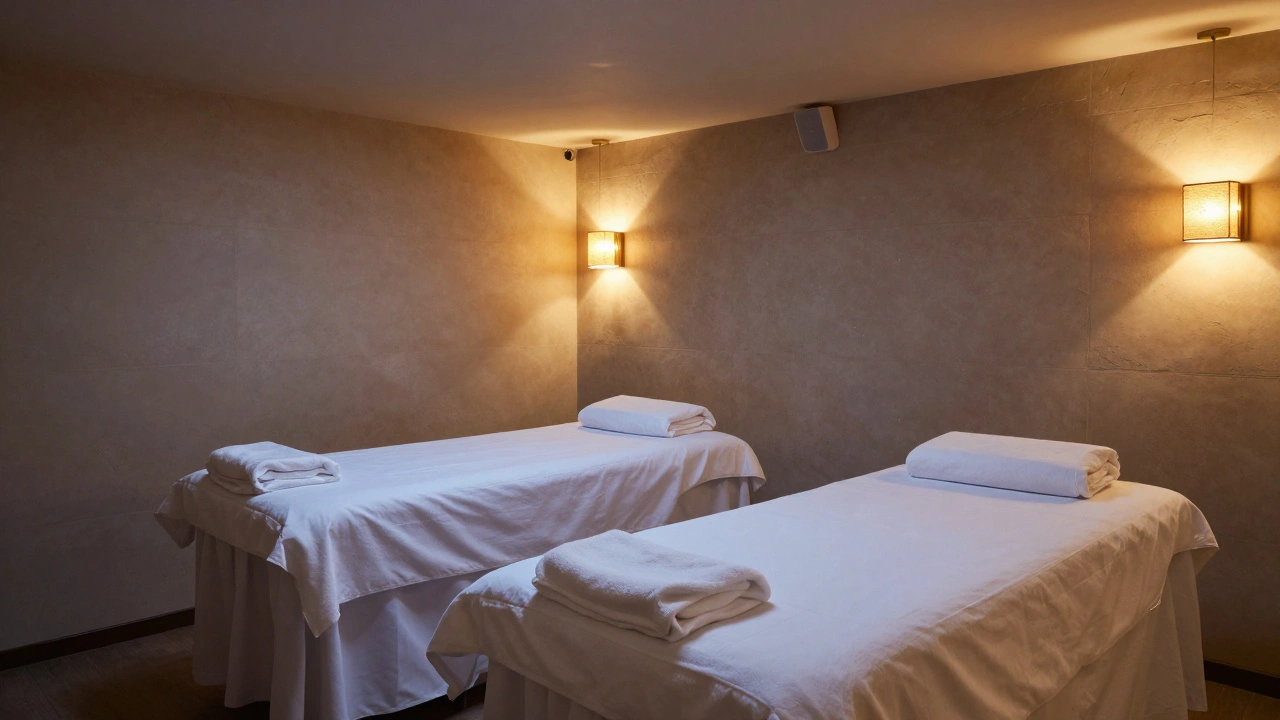
When scouting local services, ask about their audio equipment. Professional rooms often use ceiling speakers with diffused surround sound. This ensures the therapist’s footsteps don’t cut through the atmosphere. At home, investing in two separate speaker systems on opposite walls can mimic this immersive effect without needing expensive hardware.
What to Expect During a Session
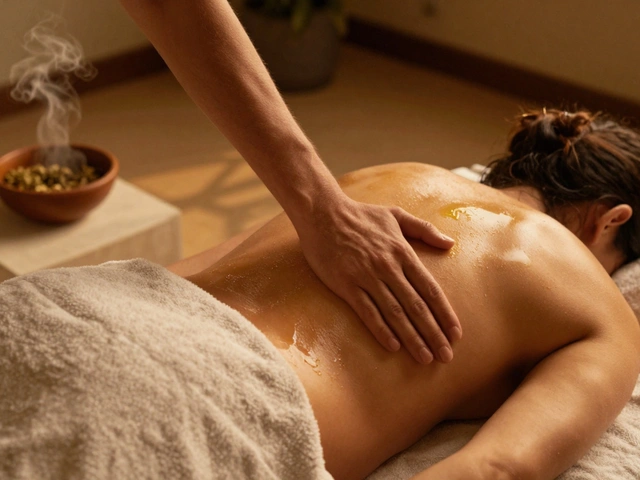
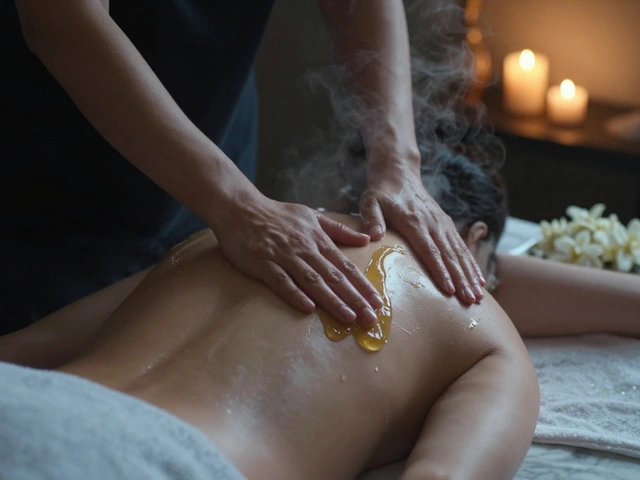
The ideal flow follows the treatment stages. When oil is applied, the music volume drops slightly to heighten tactile sensation. As pressure increases, the bass frequencies might become more prominent to ground you. By the end, a gentle crescendo signals it is time to wake up slowly.
Therapists in this region understand the rhythm of the room. They often cue the music themselves, ensuring the track changes happen during transitions between body parts. You shouldn’t hear a jarring stop/start moment while they are working on your back. This continuity maintains the trance state.

Pricing and Booking Considerations
While a playlist costs nothing on digital platforms, spa experiences including high-fidelity soundscapes often command a premium. Standard couple’s sessions range widely depending on whether audio therapy is included.
When booking, look for terms like "Sensory Immersion" or "Mindful Touch" in the package description. These imply a curated environmental experience. Some boutique wellness spots charge extra for private pods equipped with specialized acoustic dampening. It’s worth it if silence outside is impossible. Always verify if headphones are offered if you prefer personalized listening.
Safety and Comfort
Too much bass can induce headaches, especially if someone is prone to migraines. Keep the sub-bass under 60 dB. Volume monitoring is vital; if the recipient has to ask the partner to repeat themselves, it’s too loud. Additionally, ensure the temperature doesn’t clash with the mood. Cool air plus slow music can make clients drift into sleep, leading to shivering or stiffness upon waking.
Allergies to scents often accompany sensitivity to sound. Pairing lavender oil with floral-sounding chimes creates a congruent sensory profile. If there is a mismatch-say, heavy industrial drums with citrus scent-the brain registers dissonance, increasing cortisol levels instead of lowering them.
Comparison: Curation vs. Random Play
Many people default to generic radio stations. Here is why that fails compared to a dedicated session track.
| Feature | Generic Radio | Curated List |
|---|---|---|
| Variety | High risk of ads/sudden songs | Consistent mood |
| Rhythm | Unpredictable BPM | Steady 60-80 BPM |
| Dynamics | Loud commercials possible | Controlled volume |
The reliability of a custom list ensures that the relaxation phase never breaks due to commercial interruptions. Even short gaps in sound create a startle response in sensitive individuals.
Does music really lower blood pressure during massage?
Yes, studies indicate slow-tempo music reduces sympathetic nervous system activity. This leads to lower blood pressure and heart rate variability improvements during the session duration.
Should I use headphones during the session?
Headphones isolate you but reduce intimacy. Shared speakers encourage connection between partners. Use headphones only if you need deep sleep isolation.
What is the best volume level?
Aim for roughly 50 decibels, comparable to a whisper. It should fill the space without drowning out verbal communication needs.
Can I listen to podcasts?
Avoid podcasts. Human speech activates language centers in the brain, keeping the mind active and alert rather than relaxed.
Is binaural beats effective without headphones?
Not really. Binaural beats require two speakers to deliver different frequencies to each ear separately. Open speakers cancel out the effect.
Creating the right atmosphere transforms a standard service into a memorable event. Whether you are treating yourself to a luxury session or hosting a private evening, controlling the auditory input gives you power over the outcome. Focus on the rhythm, trust the silence, and let the music lead you both to a deeper state of ease.