You’ve heard whispers about tantra massage-maybe from a friend, a blog, or that quiet spa tucked down a side street in Beyoğlu. But what’s it really about? Is it just another fancy term for a sensual massage? Or is there something deeper, something that actually changes how you feel-not just in the moment, but for days after?
The truth? Tantra massage isn’t about sex. Not really. It’s about presence. About slowing down enough to feel your own body again. In a world that’s always pushing us to do more, be faster, check off another task, tantra massage offers a rare pause. A breath. A return to yourself.
What Is Tantra Massage, Really?
Let’s clear up the confusion right away. Tantra massage doesn’t mean nudity, orgasm, or erotic service. That’s a myth built by people who don’t understand the roots of tantra. Originating from ancient Indian spiritual practices, tantra is about energy-awakening it, moving it, honoring it. A tantric massage is a guided journey through your nervous system, using touch, breath, and awareness to release tension that’s been stuck for years.
Think of it like this: your body holds onto stress like a clenched fist. Massage loosens the fingers. Tantra massage? It teaches your whole body to unclench.
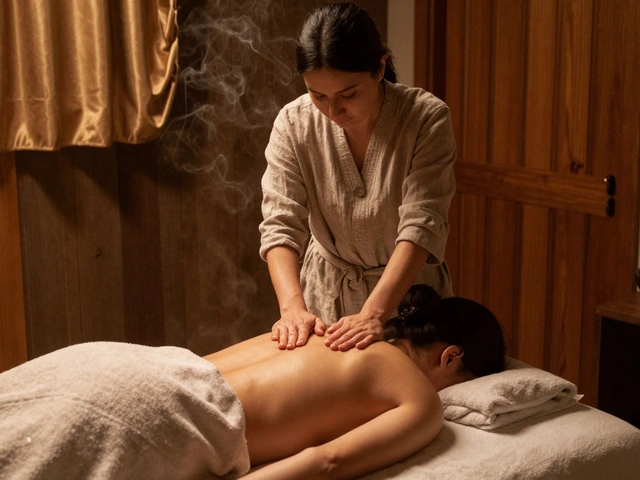
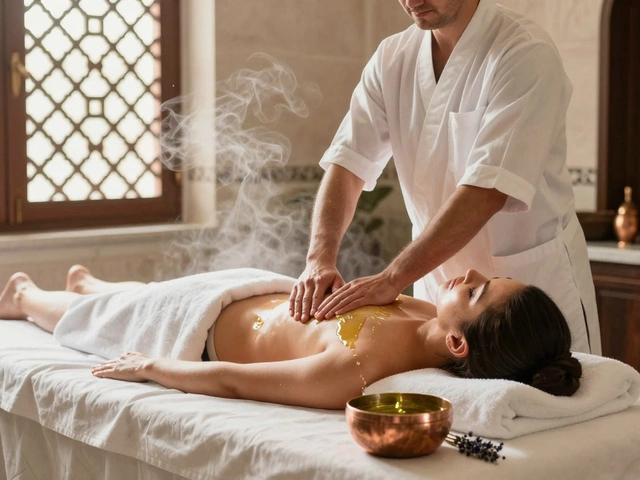
Practitioners use slow, intentional strokes-often with warm oils-and focus on areas you’d never expect: the soles of your feet, the back of your neck, the space between your shoulder blades. The goal isn’t to excite-it’s to calm. To reconnect. To help you feel grounded in your skin again.
Why People in Istanbul Are Turning to Tantra Massage
Istanbul moves fast. The Bosphorus doesn’t wait. Neither do traffic jams, work deadlines, or the noise of the city. Many of the people I’ve spoken to here-teachers, artists, engineers, even retired professors-say they come for tantra massage because they’re tired of feeling like they’re running on empty.
One woman, a therapist from Kadıköy, told me: “I’ve done yoga, meditation, even acupuncture. But this is the first time I felt my body actually listen to me.”
That’s the magic. Tantra massage doesn’t just relax muscles. It quiets the mental chatter. It helps you notice where you’re holding fear, grief, or exhaustion-and then lets it go, without needing to talk about it.
What You’ll Feel During a Session
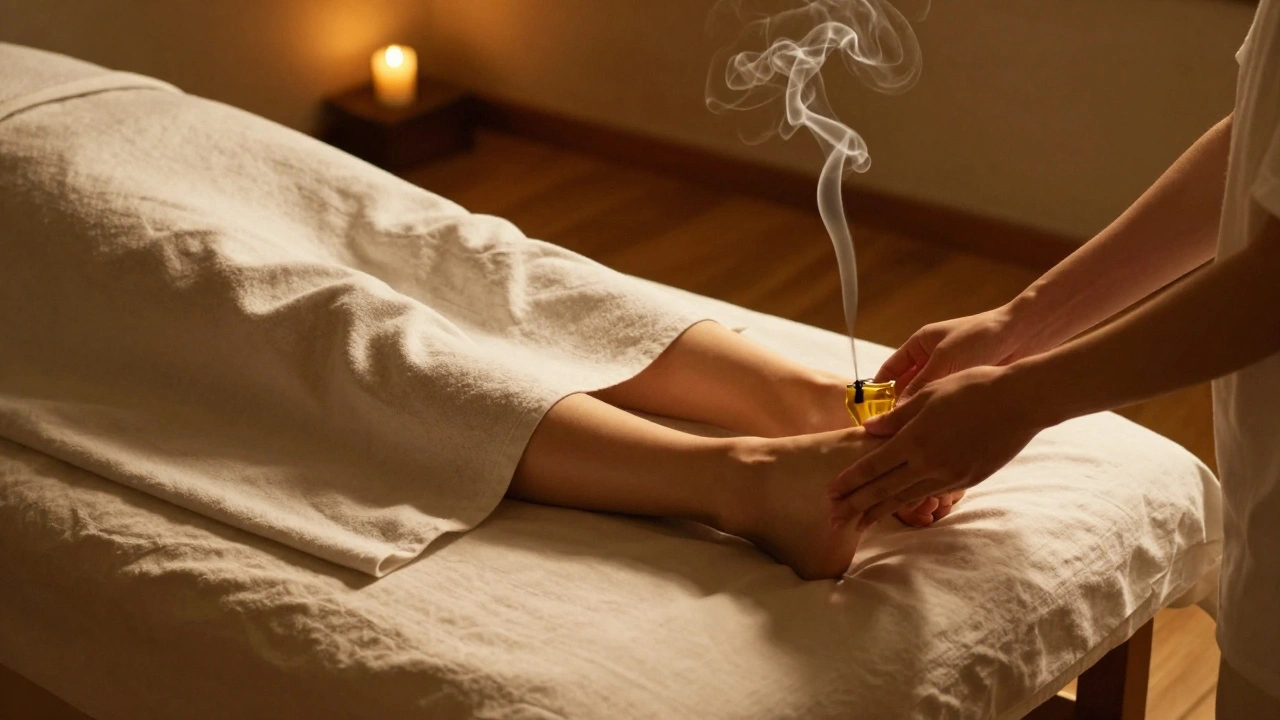
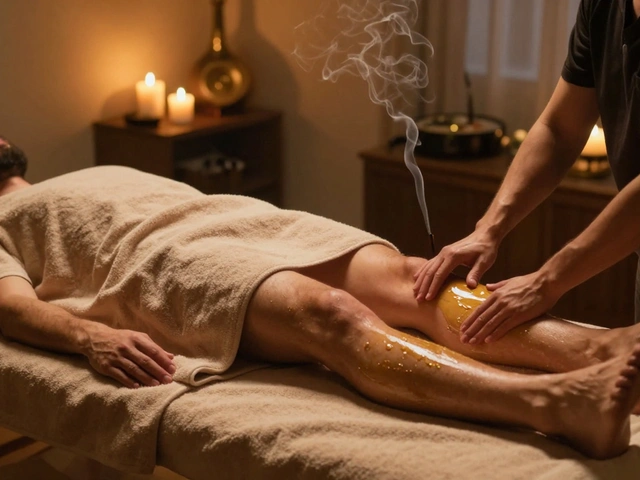
Imagine lying on a low, heated table. Soft candlelight. The scent of sandalwood and lavender. The therapist doesn’t rush. They start with your feet-not because they’re important, but because they’re the farthest from your head. And your head? That’s where the noise lives.
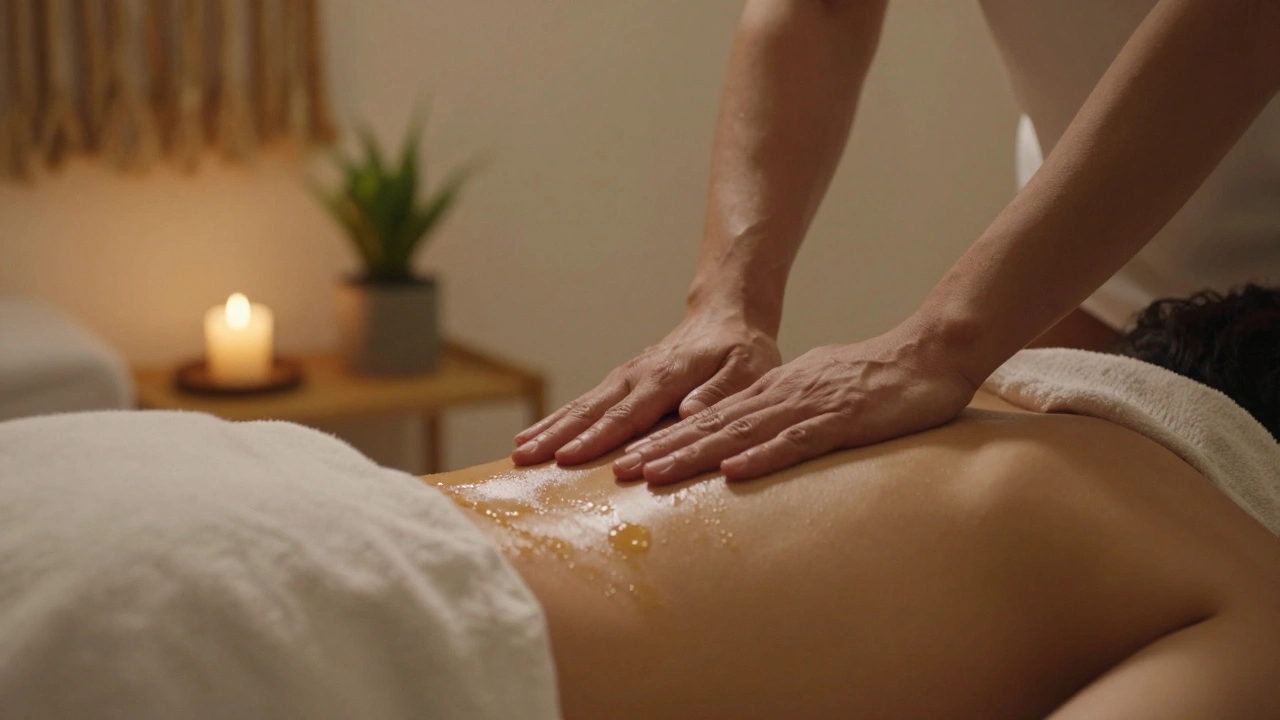
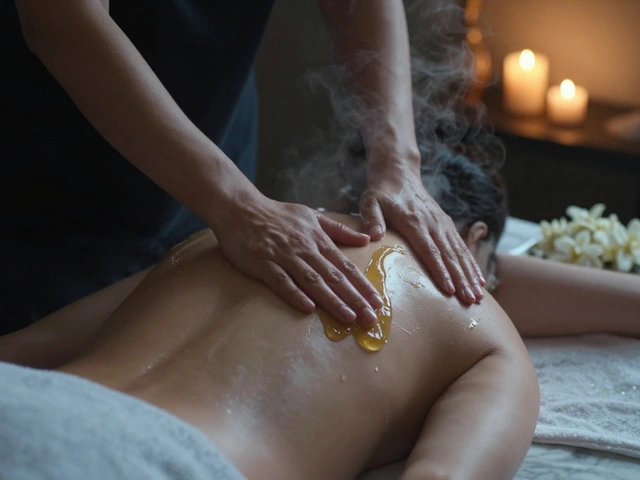
As the hands move up your legs, your breath changes. You didn’t even realize you were holding it. Then comes the back-slow, wide strokes that feel like warm honey being poured over your spine. No pressure. No need to perform. Just be.
Some people cry. Others laugh. A few fall asleep. All of it’s normal. There’s no script. No expectations. You’re not here to please anyone. You’re here to meet yourself.
Most sessions last 75 to 90 minutes. No nudity required. You’re covered with drapes. Only the area being worked on is exposed. And yes-you can keep your underwear on. This isn’t about exposure. It’s about safety.
How It’s Different from Other Massage Types in Istanbul
Let’s compare. You’ve probably tried Thai massage-stretching, pressure points, rhythmic compressions. Or a Swedish massage-long gliding strokes, light to medium pressure. Good for tension. But neither of those ask you to feel your emotions.
Tantra massage is different because it includes awareness. The therapist might whisper: “Notice where you feel warmth.” Or: “Breathe into that tight spot.” They’re not fixing you. They’re guiding you to notice what’s already there.
And unlike Nuru or sensual massage-which often focus on arousal-tantra massage uses arousal as a tool, not a goal. Energy is moved, not chased. Pleasure is invited, not demanded.
What to Look for When Choosing a Practitioner
Not every place that says “tantra” is actually tantric. Some just use the word to make things sound exotic. Here’s how to tell the real ones:
- They offer a pre-session consultation. Not just a quick chat-you’ll talk about your goals, boundaries, and any past trauma.
- They work in a calm, quiet space. No loud music. No flashing lights. Think wooden floors, soft fabrics, no mirrors.
- They don’t promise “orgasms” or “sexual release.” If they do, walk away.
- They train in energy work, breathwork, or somatic therapy-not just massage techniques.
In Istanbul, look for studios in Nişantaşı, Bebek, or Çengelköy. These areas have practitioners who blend Eastern traditions with modern therapeutic principles. Avoid places advertising “happy endings” or “private rooms”-that’s not tantra. That’s a different service entirely.
Typical Session Costs and Booking
A standard 75-minute tantra massage in Istanbul costs between 450 and 700 Turkish Lira. Longer sessions (90-120 minutes) go up to 900 Lira. That’s more than a Swedish massage, but you’re paying for time, space, and attention-not just touch.
Most practitioners require booking in advance. No walk-ins. Sessions are private and scheduled with gaps between clients. You’ll usually pay upfront-either via bank transfer or mobile payment apps like Paycell or QR Pay. Receipts are provided.
Some offer package deals: 3 sessions for 1,800 Lira. That’s a 15% discount and gives you space to really settle into the practice. People who come back often say the third session feels like coming home.
What You Should Know Before Your First Session
It’s okay to feel nervous. It’s okay to not know what to expect. Here’s what helps:
- Don’t eat a heavy meal 2 hours before. Light snacks are fine.
- Arrive 10 minutes early. Use the time to breathe. Sit quietly. Let go of your phone.
- Wear loose, comfortable clothes to and from the session. No need to change into anything special.
- Bring a water bottle. You’ll feel thirsty afterward-your body is processing a lot.
- After the session, avoid screens, loud music, or social media for at least an hour. Let the quiet settle.
Some people feel dizzy or emotional afterward. That’s not a side effect-it’s a release. Drink water. Walk slowly. If you feel overwhelmed, text someone you trust. You’re not alone.
Tantra Massage vs. Nuru Massage: What’s the Real Difference?
| Aspect | Tantra Massage | Nuru Massage |
|---|---|---|
| Primary Goal | Energy awareness, emotional release, deep relaxation | Sensory stimulation, physical pleasure |
| Technique | Slow, intentional strokes with oils; focus on breath and awareness | Full-body sliding with gel; close skin-to-skin contact |
| Attire | Client wears underwear; therapist wears clothing | Both client and therapist are nude |
| Environment | Quiet, candlelit, meditative | Often dim lighting, sensual music, private room |
| After Effects | Calm, centered, emotionally lighter | Physically relaxed, sometimes emotionally flat |
| Training | Energy work, somatic therapy, trauma-informed touch | Massage technique, bodywork, sensual stimulation |
If you’re looking for deep healing, tantra wins. If you’re looking for intense physical release, nuru might feel more immediate. But only one leaves you feeling like you’ve met yourself again.
Frequently Asked Questions
Is tantra massage spiritual or religious?
It’s spiritual, but not religious. Tantra comes from ancient Eastern traditions, but modern tantric massage in Istanbul is secular. You don’t need to believe in chakras, gods, or energy fields. You just need to be willing to feel your body. It’s science meets stillness.
Can couples do tantra massage together?
Yes-but not together in the same room. Most practitioners offer individual sessions for couples, back-to-back. This helps each person focus on their own experience without distraction. Afterward, you can sit quietly together with tea. Many couples say this is the first time they’ve truly been present with each other in years.
Is tantra massage safe for people with trauma?
Absolutely-if you choose the right practitioner. Many therapists in Istanbul are trained in trauma-informed touch. They’ll ask about your boundaries before you even undress. You control the pace. You can stop at any moment. No pressure. No expectations. Safety is built into every step.
Do I need to be flexible or fit for this?
No. Tantra massage doesn’t require movement, stretching, or physical fitness. You lie still. The therapist moves around you. Whether you’re 20 or 70, whether you’ve never been touched gently before or have had 50 massages-this is for you.
How often should I get a tantra massage?
Start with one. Then listen. Some people come monthly. Others come quarterly. A few come once a year, just to reset. There’s no rule. Your body will tell you when it’s ready. Trust it.
If you’ve been feeling disconnected-from your body, from your breath, from the quiet moments in between-tantra massage might be the bridge you didn’t know you needed. It’s not magic. It’s not mystery. It’s simply touch, held with care.
Ready to feel what it’s like to be held, without words?
Tantra massage isn't a massage it's a somatic neuromodulatory intervention leveraging parasympathetic toning via proprioceptive entrainment and vagal stimulation. The oil application isn't lubrication it's a conductive medium for bioenergetic resonance. You're not getting rubbed you're being neurologically recalibrated. The soles of the feet? High-density somatosensory cortex mapping. That's not touch that's neural hacking.
And no this isn't spiritual it's neurophysiological. Chakras? Metaphors for autonomic ganglia. The crying? Limbic discharge. The laughter? Endogenous opioid cascade. Stop romanticizing it. It's applied neurology with a velvet glove.