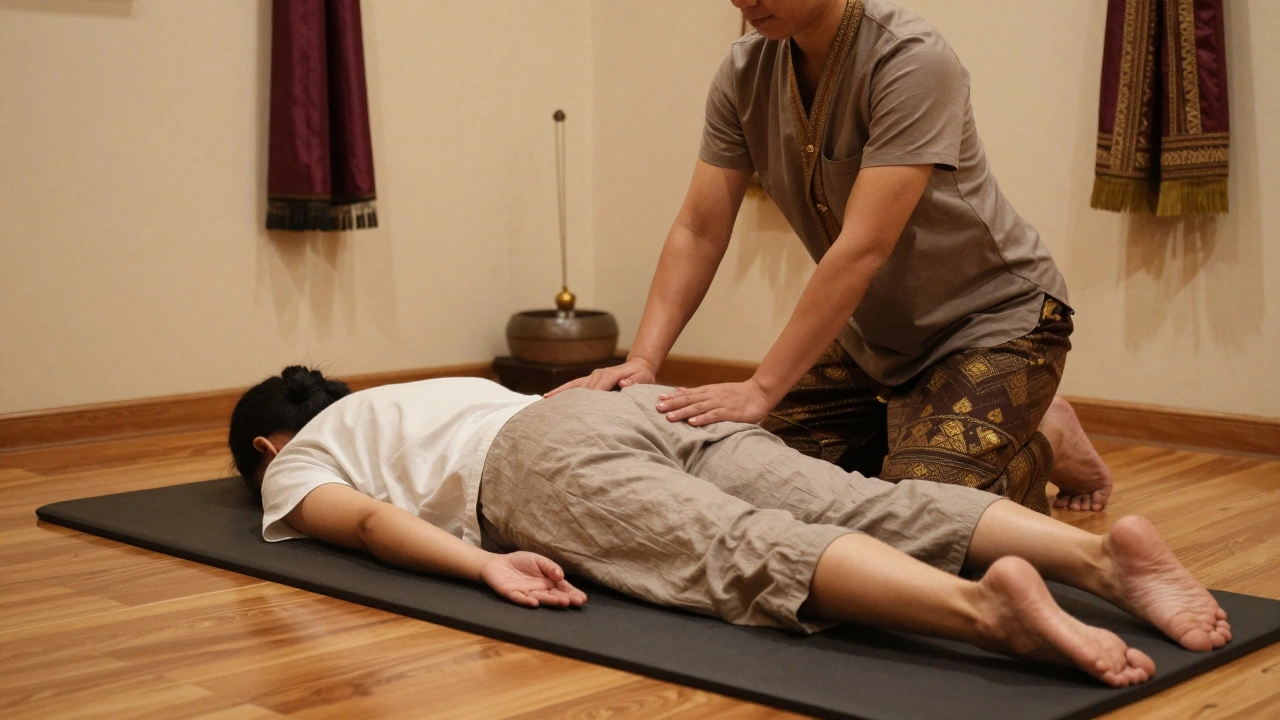
You’ve probably seen it: someone lying on a mat, arms and legs pulled into strange positions, a therapist moving with the rhythm of a dancer. It looks intense. Maybe even a little scary. But if you’ve ever walked out of a Thai massage session feeling like your body forgot how to be sore, you know it’s not just theater-it’s medicine.
What Exactly Is Thai Massage?
Thai massage isn’t just another type of rubdown. It’s a 2,500-year-old healing system that blends acupressure, assisted yoga postures, and deep stretching. Unlike Swedish massage, where you lie still under warm oil, Thai massage happens on a mat. You stay fully clothed-no lotions, no nudity. The therapist uses their hands, thumbs, elbows, knees, and even feet to apply pressure along energy lines called sen lines. Think of it as yoga you don’t have to do yourself.
It’s not about relaxation alone. It’s about realignment. The goal is to clear blockages in your body’s energy flow, release muscle tension, and restore natural movement. In Thailand, it’s not a luxury-it’s a daily ritual, like brushing your teeth. Grandparents get it. Taxi drivers get it. Office workers get it. And now, more people in Istanbul are discovering why.
Why Thai Massage Works for Pain Relief
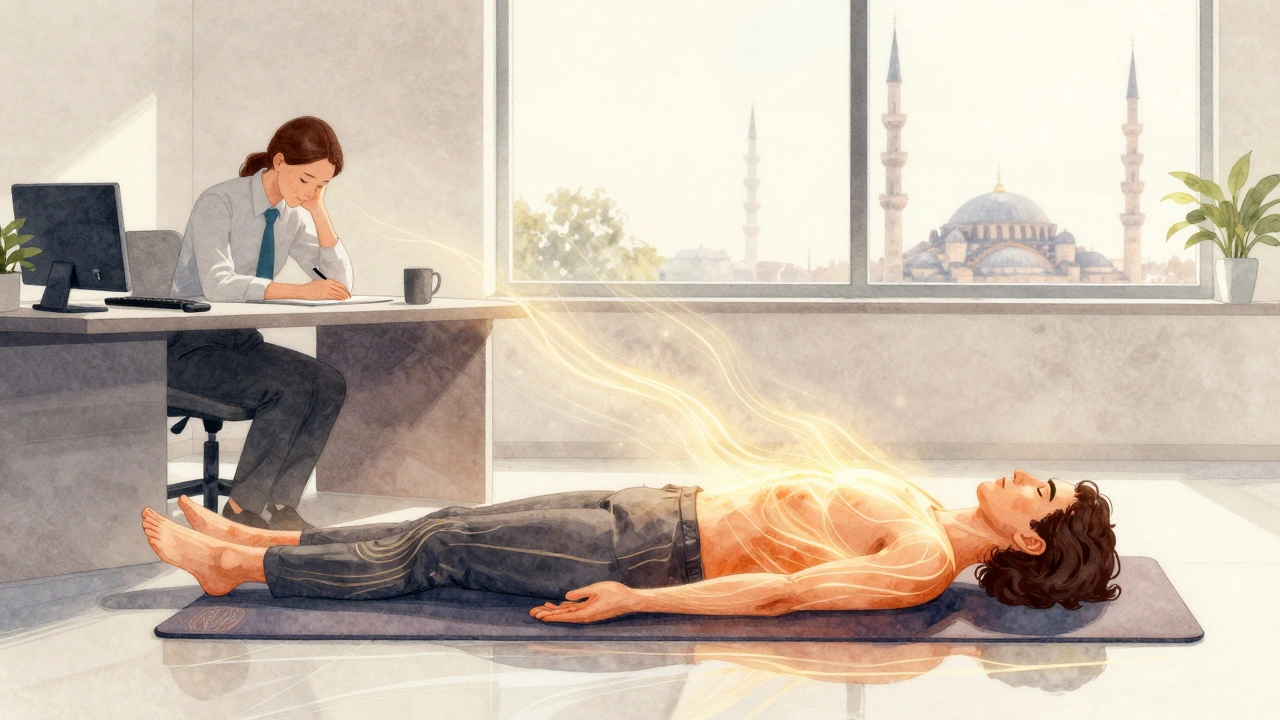
If you sit at a desk eight hours a day, your hips are probably glued shut. Your shoulders? Tight enough to crack nuts. Your lower back? A constant hum of discomfort. Thai massage doesn’t just massage those areas-it actively repositions them.
Studies show that regular Thai massage reduces chronic lower back pain more effectively than over-the-counter painkillers in some cases. One 2018 study published in the Journal of Physical Therapy Science found participants reported a 40% reduction in pain after just six sessions. How? The therapist doesn’t just press on your back-they pull your leg to open your hip flexors, rotate your spine to release trapped nerves, and stretch your hamstrings until they sigh.
It’s not magic. It’s biomechanics. When your pelvis tilts forward from sitting too long, your lower back bears the weight like a bent bridge. Thai massage gently pulls it back into place. No needles. No drugs. Just pressure, leverage, and breath.
How Thai Massage Creates Deep Relaxation
Here’s the surprising part: the same technique that stretches your muscles into submission also quiets your nervous system. Thai massage activates the parasympathetic nervous system-the one responsible for rest and digest. That’s why, after a session, you don’t just feel loose-you feel calm. Like you’ve been asleep for a week.
Unlike a spa massage where you drift off to lo-fi music, Thai massage keeps you engaged. You’re aware of your body being moved, stretched, compressed. But that awareness is calming. It forces you into the present moment. No phone. No emails. Just you, your breath, and someone who knows exactly where your tension lives.
Many clients tell me they cry during their first session-not from pain, but from release. It’s like your body finally got permission to let go.
What to Expect During Your First Session
You walk in. You’re told to wear loose, comfortable clothes-no jeans. You lie down on a padded mat on the floor. The room is warm, maybe scented with lemongrass or coconut. No music. Just quiet.
The therapist greets you with a wai-a gentle bow with palms together. Then they begin. No sudden moves. Everything flows. One moment they’re pressing firmly into your shoulder blade. The next, they’re gently rocking your legs like a baby. You might feel a deep ache. That’s normal. It’s not the pain of injury-it’s the pain of something long locked up finally moving.
You’ll be stretched. You’ll be twisted. You might even feel like you’re being folded into a pretzel. But here’s the trick: you’re never forced. If something hurts too much, you say so. A good therapist will adjust instantly. This isn’t about pushing limits. It’s about finding balance.
At the end, you sit up slowly. Your body feels lighter. Your breath is deeper. You might not even want to stand up right away. That’s the point.
Where to Find Authentic Thai Massage in Istanbul
Istanbul has hundreds of massage spots. But authentic Thai massage? That’s rarer. You’ll find places calling themselves "Thai" that are just Swedish with a bamboo mat. Here’s how to tell the real deal:
- Look for therapists trained in Thailand-especially from Chiang Mai or Bangkok. Ask where they studied.
- Check if they use traditional techniques: no oils, no music, no hot stones. If it’s oily and quiet, it’s probably not Thai.
- Real Thai massage happens on the floor. Not on a table.
- Look for names like "Wat Po" or "Traditional Thai Massage"-those are clues.
Some trusted spots in Istanbul include Thai House in Beşiktaş, Siam Wellness in Kadıköy, and Lotus Thai Massage in Şişli. All have therapists who trained for at least six months in Thailand. Don’t be afraid to ask for their certification.
Thai Massage vs. Swedish Massage: What’s the Difference?
| Feature | Thai Massage | Swedish Massage |
|---|---|---|
| Setting | Mat on floor | Massage table |
| Clothing | Fully clothed | Nude under towel |
| Technique | Stretching, acupressure, compression | Gliding strokes, kneading |
| Oil/Lotion | None | Yes |
| Intensity | Deep, active, sometimes intense | Light to medium, soothing |
| Best For | Chronic pain, stiffness, mobility | Stress relief, relaxation |
| Duration | 60-120 minutes | 60-90 minutes |
If you want to melt into a puddle of calm, Swedish is your friend. If you want to wake up your body, fix your posture, and feel like you’ve been reset-go Thai.
How Much Does It Cost in Istanbul?
Prices vary wildly. You can find a 30-minute "Thai-style" massage for 150 TL in a mall kiosk. But that’s not Thai massage. That’s a quick rub.
A real session-60 minutes, trained therapist, traditional technique-costs between 400 and 700 TL. Longer sessions (90-120 minutes) run 800-1,100 TL. That’s more than a Swedish massage, but you’re getting more: mobility, pain relief, and deep nervous system reset. It’s not a luxury. It’s preventative healthcare.
Many places offer package deals: 5 sessions for the price of 4. If you’re dealing with chronic pain or sitting at a desk all day, that’s a smart investment.
Safety Tips: What to Watch Out For
Thai massage is safe for most people-but not everyone.
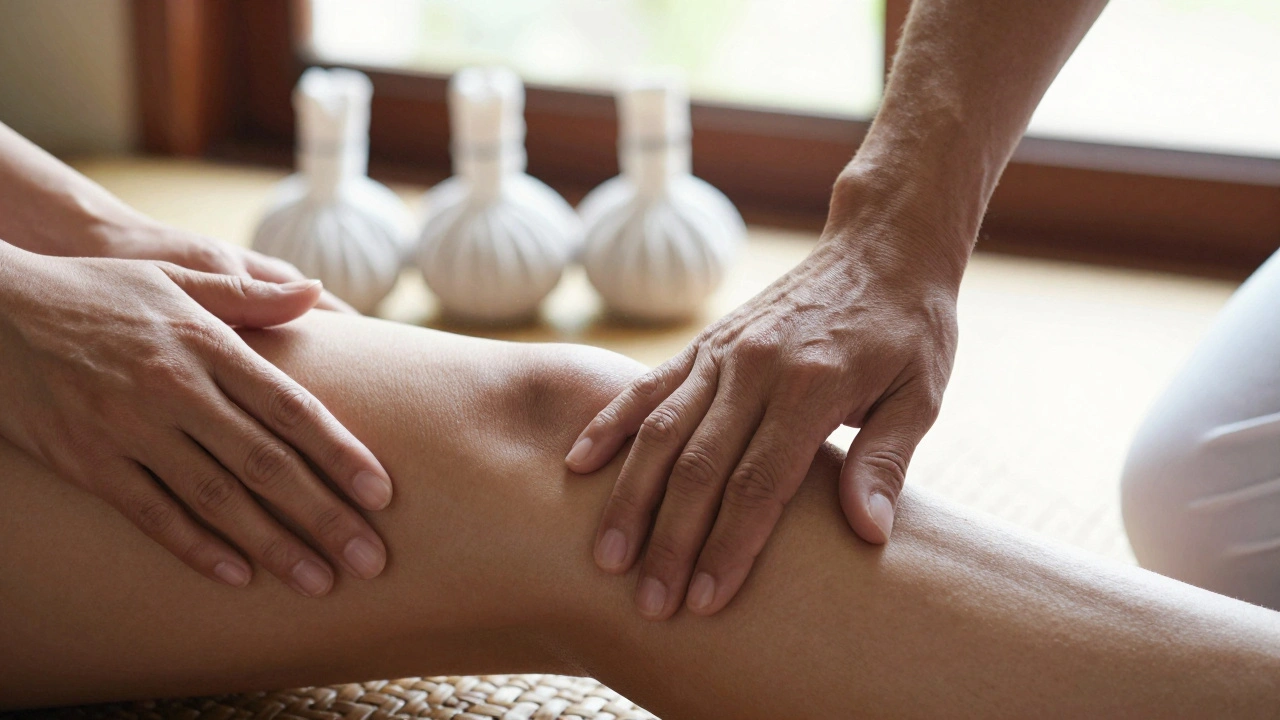
- Don’t get it if you have a recent injury, fracture, or severe osteoporosis. The stretches can be too much.
- If you’re pregnant, avoid deep abdominal pressure and intense back stretches. Some therapists specialize in prenatal Thai massage-ask.
- Don’t eat a heavy meal right before. Wait at least two hours.
- Hydrate well after. Your muscles are releasing toxins. Water helps flush them out.
- Listen to your body. If something feels sharp, not deep, say stop. Pain is a signal, not a badge of honor.
Also, avoid places that offer "Thai massage" with "happy endings." That’s not Thai massage. That’s exploitation. Real Thai massage is rooted in healing, not pleasure. Stick to places with clear, professional reputations.
Frequently Asked Questions
Is Thai massage painful?
It can feel intense, especially if you’re tight, but it shouldn’t hurt. The pressure is deep and steady, not sharp or sudden. A good therapist will check in with you constantly. If you’re flinching, speak up. Pain means something’s wrong-not that it’s working.
How often should I get Thai massage?
For chronic pain or stiffness, once a week for 4-6 weeks helps reset your body. After that, every 2-4 weeks is enough to maintain mobility. If you’re just relaxing, once a month is plenty. Think of it like brushing your teeth-regular maintenance beats waiting until it hurts.
Can Thai massage help with sciatica?
Yes. Sciatica often comes from tight hip muscles pinching the sciatic nerve. Thai massage targets those muscles directly-especially the piriformis and glutes. Many clients report reduced leg numbness and lower back pain after just a few sessions. It won’t cure a herniated disc, but it can remove the muscle tension that makes it worse.
Do I need to be flexible to get Thai massage?
No. In fact, if you’re stiff, you’re the perfect candidate. The therapist works with your current range of motion. You don’t have to touch your toes. You just have to breathe. The stretches are tailored to you-not the other way around.
Will I be sore after?
Some people feel a little achy the next day, like after a good workout. That’s normal. It means your muscles are adjusting. Drink water, move gently, and you’ll feel better by day two. If you’re in real pain, contact your therapist. That’s not normal.
Ready to Feel Like Yourself Again?
Life doesn’t stop because your body’s tired. But your body doesn’t have to stay broken just because you’re busy. Thai massage isn’t a treat-it’s a tool. A simple, ancient way to fix what modern life breaks: your posture, your breath, your peace.
You don’t need to travel to Bangkok. You don’t need to spend hours stretching on your own. You just need to lie down, breathe, and let someone who knows what they’re doing help you unwind.
Book your first session. Try it once. See how your body feels the next morning. If you wake up without that familiar ache? You’ll know why this ancient practice still works today.
Okay, but why does it feel like I’m being wrestled by a yoga ninja who’s also a chiropractor? I went once and came out feeling like my spine had been reprogrammed… and also slightly violated. Still, I’ll go again. Just… maybe with a witness this time.
Let’s talk biomechanical neurokinetics here-Thai massage isn’t just ‘stretching,’ it’s a proprioceptive recalibration protocol. The sen lines? They’re essentially myofascial meridians with parasympathetic activation pathways. When you’re applying rhythmic compression along the iliotibial band while simultaneously inducing hip flexor elongation, you’re not just releasing tension-you’re modulating autonomic tone via mechanotransduction. That’s why people cry. It’s not emotional-it’s neurochemical. And yes, it’s more effective than NSAIDs for chronic lumbar strain, per the 2018 JPTS meta-analysis. Do the research.
I grew up in Kerala, India-we have our own traditional massage system called Keralite Ayurvedic massage, similar in spirit but way more herbal. Thai massage reminds me of how my grandma would stretch my arms and legs after school, saying, ‘Your body remembers stress more than your mind does.’ It’s not about the technique alone-it’s the intention. If the therapist breathes with you, you heal faster. And yes, I’ve taken my whole family to Thai House in Beşiktaş. Best 700 TL I’ve ever spent. No joke.
just had my first session last week and honestly? i cried. not because it hurt, but because i realized i hadn’t taken a full breath in like… 3 years? the therapist didn’t say a word the whole time, just moved and pressed and pulled and it felt like my body was finally allowed to relax. also, no oils? yes please. i hate being greasy after a massage. and the floor thing? weird at first but so much better than lying on some cold table. 10/10 would get folded into a pretzel again.
Okay but this whole ‘Thai massage is ancient medicine’ thing is just cultural appropriation wrapped in lemongrass. It’s basically just yoga with a human weight machine. And don’t get me started on the ‘no music’ thing-that’s just a marketing gimmick. My cousin in Bangkok told me most places now play lo-fi beats under the breath. Also, 700 TL? For what? A 60-minute stretch? I’ve had better relief from a foam roller and a YouTube video. This is just overpriced performance art.
While the anecdotal testimonials are compelling, one must consider the lack of standardized certification across Istanbul’s so-called ‘Thai massage’ establishments. Without regulated training protocols, the risk of musculoskeletal injury increases significantly, particularly among individuals with undiagnosed spinal pathologies. Furthermore, the conflation of therapeutic intent with cultural exoticism risks trivializing a sacred healing tradition. Proceed with caution, and always verify credentials.