You’ve just landed in Istanbul after a long flight. Your shoulders are tight, your feet ache, and your mind is still stuck in airport limbo. You walk into a quiet side street in Beyoğlu and see a sign: Massage Therapy. But what kind? Swedish? Turkish? Shiatsu? And why does every spa seem to offer something different?
The truth is, Istanbul isn’t just a city of minarets and bazaars-it’s one of the most diverse massage therapy hubs in the world. From ancient Ottoman baths to modern wellness studios, the city blends centuries of tradition with global techniques. You don’t just get a massage here-you get a cultural experience.
What Makes Istanbul’s Massage Scene Unique?
Most cities have a few types of massage. Istanbul has dozens. Why? Because it sits at the crossroads of Europe and Asia, and for over 2,000 years, people have come here to heal, relax, and restore. The Romans built baths. The Ottomans perfected the hamam. The Greeks brought aromatherapy. The Chinese introduced acupressure. And today, you’ll find all of them-side by side-in neighborhoods like Kadıköy, Beşiktaş, and Çırağan.
What sets Istanbul apart isn’t just variety-it’s authenticity. Many therapists here train for years in traditional methods passed down through families. You’re not getting a 30-minute corporate routine. You’re getting something rooted in real history.
Types of Massage Therapy Available in Istanbul
Let’s cut through the noise. Here are the five most common-and most effective-styles you’ll actually find in Istanbul’s top spas and clinics.
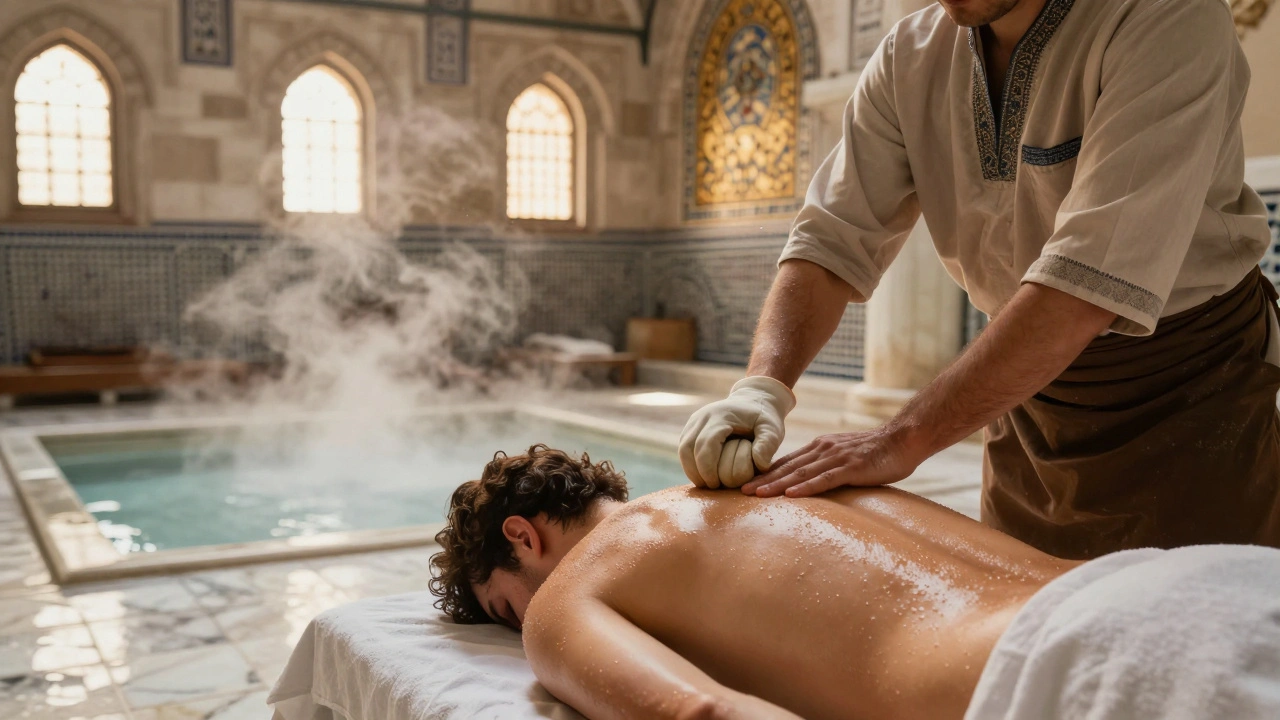
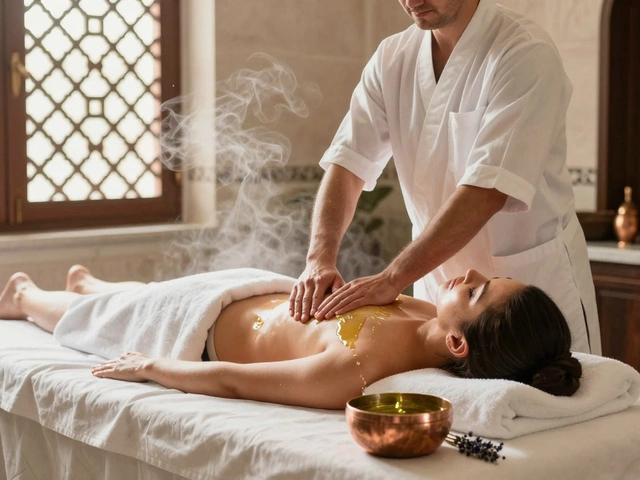
- Turkish Hammam Massage - This isn’t just a scrub. It’s a full ritual. You start in a steam room, then a therapist uses a rough kese glove to exfoliate your skin, followed by a foam wash and a 20-minute oil massage. It leaves your skin glowing and your muscles loose. You’ll find this in historic hamams like Çemberlitaş Hamamı and Ayasofya Hürrem Sultan Hamamı.
- Swedish Massage - The gentlest option. Long, flowing strokes, light pressure, perfect if you’re new to massage or recovering from travel. Most Western-style spas in Nişantaşı and Bebek offer this. Look for therapists who use organic almond or jojoba oil.
- Deep Tissue Massage - For the tight shoulders, chronic back pain, or that stubborn knot behind your neck. This isn’t a “pain is gain” session-it’s targeted. Therapists use slow, deep pressure to reach muscle layers beneath the surface. Many physical therapists in Istanbul combine this with myofascial release.
- Shiatsu and Acupressure - Rooted in Japanese and Chinese traditions, this style uses finger pressure on specific points along energy pathways. You don’t lie on a table-you sit or lie on a mat. It’s great for stress, headaches, and digestion. Try it at wellness centers in Kadıköy’s Moda district.
- Hot Stone Massage - Smooth, heated basalt stones are placed along your spine and moved over your muscles. The heat relaxes tissues so deeply that even the most tense people fall asleep. You’ll find this in luxury spas like the Four Seasons Bosphorus and the Ritz-Carlton.
Some places also offer Thai massage (stretching and yoga-like movements), aromatherapy (essential oils tailored to your mood), and reflexology (foot pressure that affects organs). But stick to the five above if you’re new to this.
How to Find the Right Massage in Istanbul
Not every place with a massage sign is worth your time. Here’s how to avoid the traps.
- Check Google Maps reviews-look for recent photos and comments mentioning “therapist training” or “real massage,” not just “nice ambiance.”
- Avoid places that advertise “happy ending” or “sensual massage.” These aren’t legal, and they’re often unsafe. Stick to licensed wellness centers.
- Ask if the therapist has a certification. Many good ones trained at the Istanbul School of Massage Therapy or have EU certifications.
- Walk into a place and smell the oils. If it’s overpowering or synthetic, walk out. Real therapists use natural, unscented, or lightly herbal oils.
- Book a 60-minute session first. You can always upgrade later.
Pro tip: The best spots aren’t always the most expensive. Some of the most skilled therapists work out of small clinics in Üsküdar or Fatih, charging 300-400 TL for a full session.
What to Expect During Your First Session
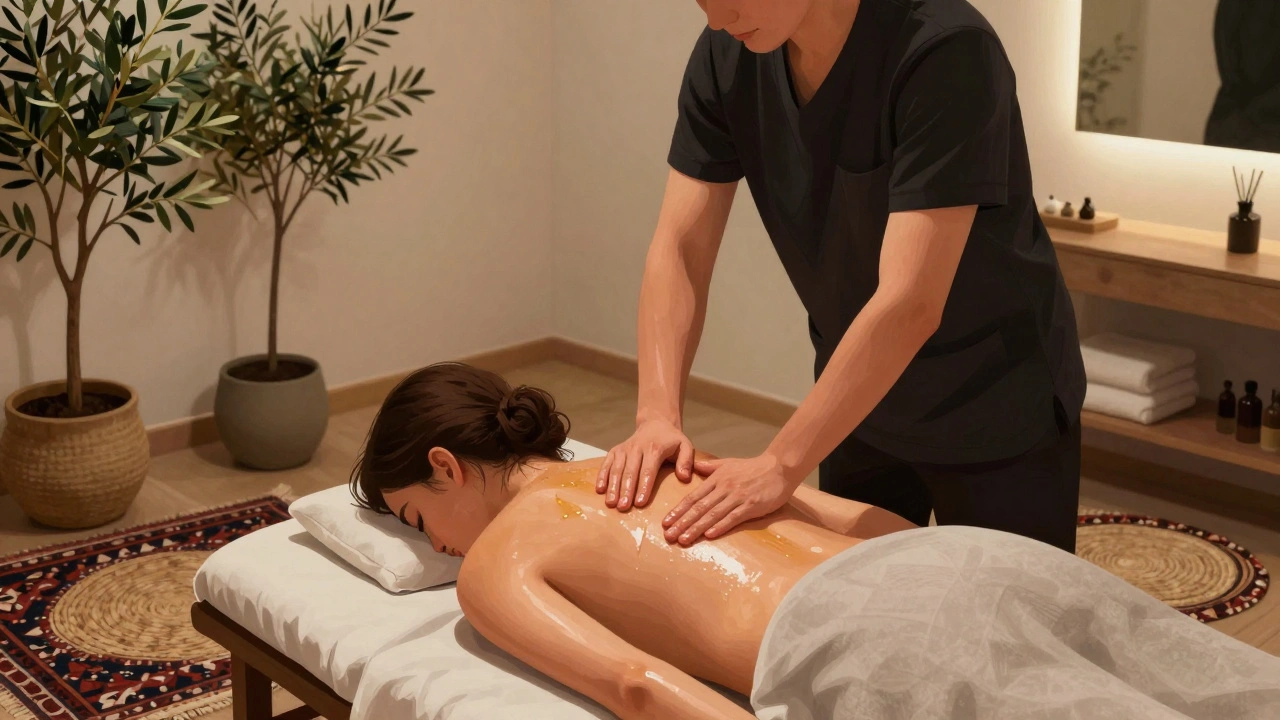
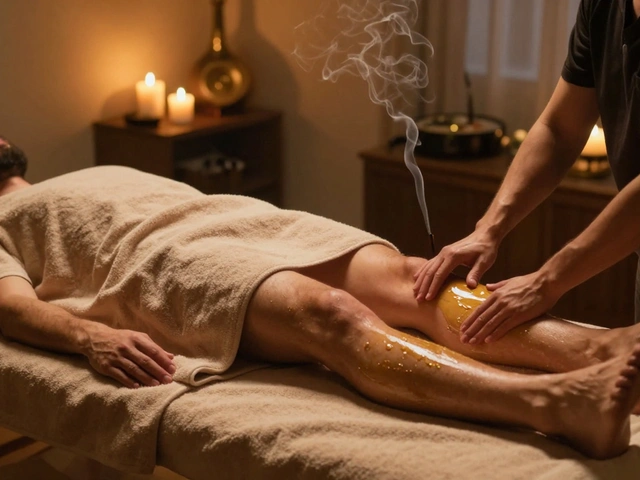
Picture this: You walk into a quiet room with dim lights, soft music, and the scent of lavender. You’re asked to undress to your comfort level-you’ll be covered with towels the whole time. The therapist leaves the room while you get settled.
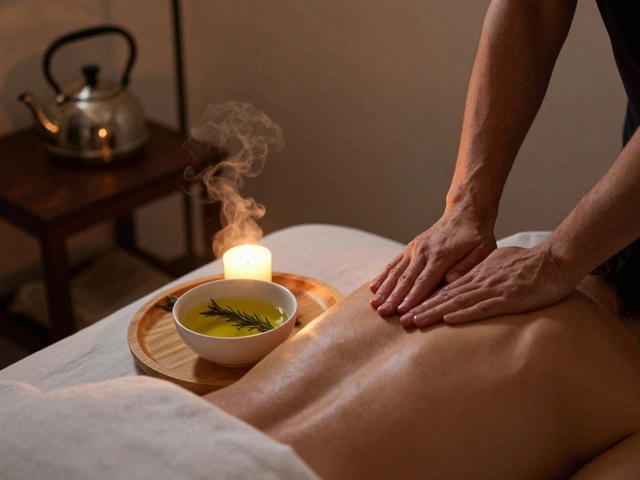
They return, ask you about your pain points, and adjust the pressure based on your feedback. No loud music. No rushing. No talking unless you want to. The massage starts slow, then deepens. You feel warmth spreading through your back. Your breathing slows. By the end, you’re not just relaxed-you feel lighter, like you’ve shed a heavy coat.
Afterward, you’re offered herbal tea and told to drink water. Some places give you a small bag of dried rose petals or a card with stretching tips. That’s the Istanbul difference: care doesn’t end when the hands stop moving.
Pricing and Booking
Prices vary wildly depending on location and style.
| Style | Duration | Price (TL) | Best For |
|---|---|---|---|
| Turkish Hammam | 90 minutes | 550-800 | First-timers, skin renewal |
| Swedish | 60 minutes | 400-600 | Relaxation, post-travel |
| Deep Tissue | 60 minutes | 500-750 | Chronic pain, athletes |
| Shiatsu | 60 minutes | 450-650 | Stress, digestion, energy |
| Hot Stone | 75 minutes | 700-950 | Deep relaxation, luxury |
Most places accept cash (TL) and credit cards. Booking ahead is recommended-especially on weekends. Use apps like SpaFinder or local platforms like Yemeksepeti Wellness to see real-time availability.
Safety Tips for Massage in Istanbul
Massage is safe-when you choose wisely.
- Never go to a place that doesn’t let you see the therapist’s credentials. Ask to see their license.
- Avoid places that pressure you into add-ons like “oil upgrade” or “extra minutes.” Legit spas don’t push upsells.
- If you’re pregnant, diabetic, or have recent injuries, tell the therapist before you start. Many offer prenatal and medical massage options.
- Don’t drink alcohol before a session. It increases the risk of dizziness and dehydration.
- After your massage, wait 20 minutes before stepping into cold air or a shower. Your body is still adjusting.
Swedish vs. Turkish Hammam: Which Should You Choose?
| Feature | Swedish Massage | Turkish Hammam |
|---|---|---|
| Primary Goal | Relax muscles, reduce stress | Detox, exfoliate, cleanse |
| Pressure | Light to medium | Medium to firm (during massage) |
| Duration | 45-90 minutes | 90-120 minutes |
| What’s Included | Oil massage only | Steam, scrub, foam wash, massage |
| Best For | Travelers, office workers | First-time visitors, skin care lovers |
| After Effects | Feeling calm, slightly sleepy | Glowing skin, renewed energy |
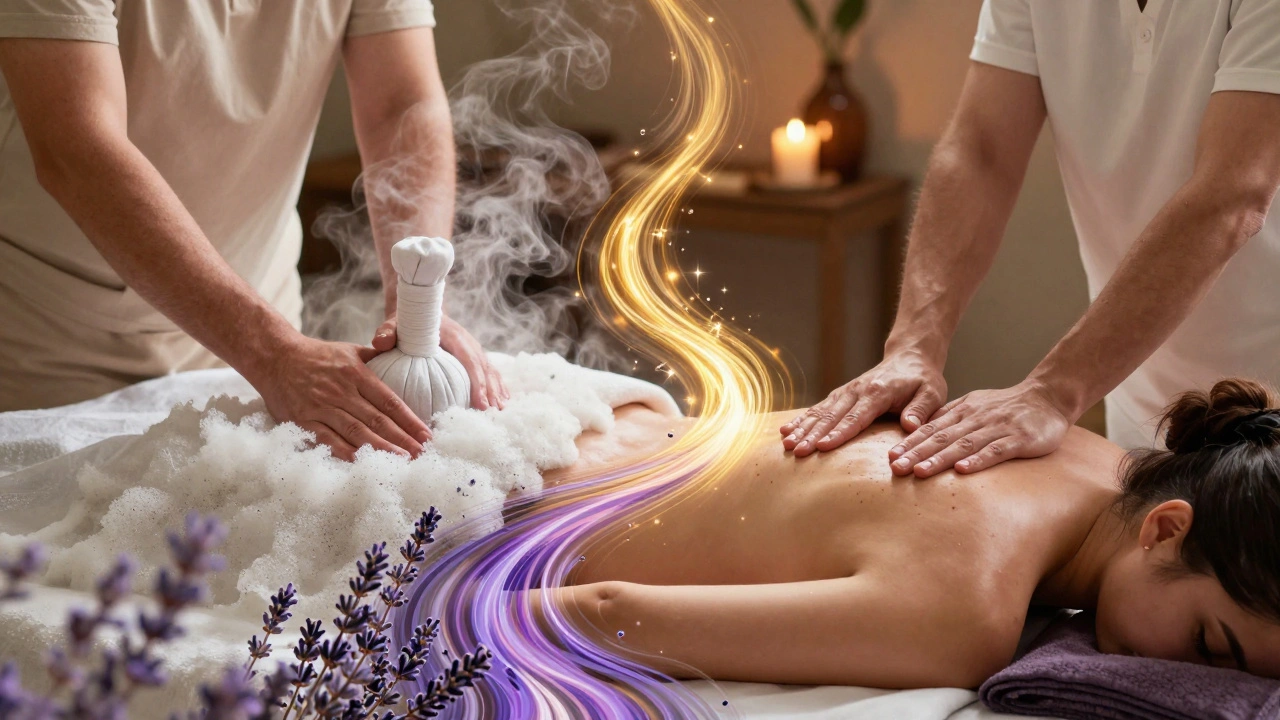
If you’re short on time, go Swedish. If you want to feel like you’ve stepped into a 16th-century Ottoman ritual, choose the hammam. Both are worth it.
Frequently Asked Questions
Is massage therapy legal in Istanbul?
Yes, but only in licensed wellness centers and spas. Any place advertising “happy ending,” “sensual,” or “erotic” massage is operating illegally. These are not just against the law-they’re unsafe. Stick to places with visible licenses, clean interiors, and professional staff.
Do I need to speak Turkish to get a massage?
No. Most therapists in tourist areas and upscale spas speak English, German, or Russian. If you’re unsure, call ahead and ask. Many spas even have multilingual intake forms. Don’t worry about language-your body will tell them what it needs.
How often should I get a massage in Istanbul?
If you’re traveling, one session is enough to reset your body. But if you’re staying longer, aim for once every 2-3 weeks. Regular massage helps with jet lag, posture, and stress buildup. Many locals get weekly sessions-they treat it like brushing their teeth.
Can I get a massage if I have a medical condition?
Absolutely-but you must tell your therapist. Conditions like high blood pressure, pregnancy, recent surgery, or skin infections require adjustments. Many therapists specialize in medical massage and will modify pressure, positioning, or techniques to keep you safe.
What should I wear during a massage?
You’ll be fully covered with towels. Most people wear underwear or nothing at all-it’s up to you. The therapist will never touch areas you’re not comfortable with. If you feel awkward, remember: they’ve seen it all. Your comfort is their priority.
Are there any cultural customs I should know?
In Turkish hamams, it’s common to be silent and respectful. Don’t take photos. Don’t rush. Don’t argue about price after the session-it’s considered rude. And always tip your therapist 10-15% if you’re happy with the service. It’s not required, but it’s deeply appreciated.
Ready to Unwind?
Istanbul doesn’t just give you a massage-it gives you a reset. Whether you choose the steamy ritual of a hammam or the quiet precision of a Swedish session, you’ll leave feeling like you’ve been given back a part of yourself you didn’t know you lost.
So next time you’re in the city, skip the crowded Bosphorus cruise for an hour in a quiet room. Let your body remember how to relax. You’ll thank yourself later.
Just got back from Istanbul last month and did the hammam at Çemberlitaş-honestly, life-changing. That kese glove scrub felt like my skin was being reborn. I cried a little. Not joking. 🤭
The distinction between Swedish and Turkish massage is often misunderstood. Swedish is about rhythm and flow; Turkish hammam is about ritual and transformation. One soothes the body, the other renews the soul. Both are valid, but they serve fundamentally different purposes.
Ugh, I’m so tired of Americans acting like they discovered massage therapy. The Ottomans were doing this before your great-great-grandparents even left Europe. Honestly, if you want real tradition, skip the fancy spas and go to a local hamam in Fatih. No frills. Just centuries of wisdom.
One cannot help but reflect upon the metaphysical implications of somatic release within a post-colonial context. The massage table, as a site of vulnerability, becomes a liminal space where the Western self confronts its own commodification of Eastern healing traditions. Is relaxation, then, merely a neoliberal fantasy dressed in lavender oil?
For anyone planning a trip: book the 90-minute hammam. Don’t rush it. Sit in the steam, let the heat seep into your bones, and don’t check your phone. The therapist will guide you-just breathe. And yes, it’s worth every lira. I went twice.
Just did the deep tissue in Kadıköy-500 TL, 60 mins, therapist named Murat. He knew exactly where my knots were. Didn’t even need to say anything. Just pointed to my shoulder and he went to work. Best 60 minutes of my life. Also, the tea after was minty and perfect.
So… you paid $300 to be scrubbed with a loofah and then told to drink water? And this is a ‘cultural experience’? I’ve had better massages at a gas station in Ohio. Also, who writes a 2000-word essay about massage? 🙄
Cailee, I get it-you’re skeptical. But sometimes the simplest things are the most profound. That hammam didn’t just relax me, it made me feel like I could finally exhale after years of holding my breath. Maybe it’s not about the price or the scrubbing… maybe it’s about being still.
Does anyone know if the Shiatsu therapists in Moda use traditional meridian mapping or are they just winging it with pressure points? I’ve had some that felt like random poking and others that felt like acupuncture without needles. Curious if there’s a standard.
Let’s be real: the entire ‘Turkish massage’ industry is a beautifully curated tourist trap. The real locals? They go to their cousin’s basement in Sultangazi for 150 TL and a cup of black tea. Everything else is a performance. The oils? Mass-produced. The ‘centuries-old techniques’? Licensed by the Ministry of Tourism in 2012. Don’t romanticize capitalism.