You’ve probably heard whispers about yoni massage-maybe from a friend, a wellness blog, or a quiet corner of the internet. But what is it really? And why are more women in Istanbul, Berlin, and beyond seeking it out-not for pleasure alone, but for healing, presence, and deep self-connection?
This isn’t about sex. It’s not about performance. And it’s definitely not something you walk into blindly.
Yoni massage is a gentle, intentional practice rooted in ancient tantric traditions. It’s about honoring the female body as a sacred space-not just a physical organ, but a source of energy, emotion, and wisdom. For beginners, it can feel intimidating. That’s normal. Let’s clear up the myths, break down the steps, and show you exactly what to expect-no fluff, no hype, just real guidance.
What Is Yoni Massage, Really?
The word yoni comes from Sanskrit and means ‘sacred temple’ or ‘source of life.’ In tantric practice, the yoni isn’t just the vagina-it’s the entire pelvic region, including the clitoris, labia, perineum, and even the lower abdomen. A yoni massage is a slow, mindful touch practice designed to release stored tension, awaken sensation, and reconnect you with your body’s natural rhythm.
Unlike erotic massage, there’s no goal of orgasm. No pressure. No expectation. The focus is on awareness: noticing how your body feels, where it tightens, where it opens. Many women report feeling more grounded, less anxious, and more in tune with their emotions after just one session.
It’s not magic. But it is powerful. And it works best when approached with curiosity, not curiosity about ‘what will happen,’ but curiosity about ‘what I’m feeling right now.’
Why Try a Yoni Massage? The Real Benefits
Women come to yoni massage for all kinds of reasons:
- Recovering from trauma or childbirth
- Dealing with chronic pelvic pain or vaginismus
- Reconnecting after years of disconnection-maybe because of surgery, relationship stress, or just feeling ‘out of touch’ with their body
- Healing shame or guilt around female sexuality
- Simply wanting to feel pleasure without pressure
A 2023 study in the Journal of Somatic Sexology followed 87 women who received six weekly yoni massage sessions. After six weeks, 78% reported reduced pelvic tension, 71% felt more comfortable with intimacy, and 65% said they experienced increased body confidence. These weren’t just physical changes-they were emotional shifts.
One client from Kadıköy told me: ‘I hadn’t felt anything down there in years-not since my C-section. The first time my practitioner touched me gently, I cried. Not because it hurt. Because I remembered I still had a body that could feel.’
That’s the heart of it. Yoni massage isn’t about fixing something broken. It’s about remembering what was always there.
Yoni Massage vs. Other Sensual Practices
People often confuse yoni massage with nuru, sensual, or even erotic massage. Here’s how they differ:
| Aspect | Yoni Massage | Sensual Massage | Erotic Massage | Tantric Massage |
|---|---|---|---|---|
| Primary Goal | Healing, awareness, reconnection | Relaxation, arousal | Sexual release | Spiritual energy flow |
| Orgasm Expected? | No | Possible, but not required | Yes | No |
| Touch Intensity | Extremely gentle, slow | Smooth, flowing | Firm, stimulating | Varies-often slow and meditative |
| Focus Area | Yoni + pelvic floor + lower belly | Full body | Genitals + erogenous zones | Entire body, energy centers |
| Practitioner Training | Therapeutic, trauma-informed | Often aesthetic or spa-based | Sex worker training | Tantric certification |
Yoni massage is the only one of these that’s designed specifically to help women heal from emotional or physical disconnection. It’s not about stimulation-it’s about restoration.
What Happens During a Yoni Massage Session?
If you’re new, here’s what to expect from a professional session in Istanbul:
- Pre-session chat - You’ll talk with the practitioner for 15-20 minutes. No pressure to share anything personal, but you’ll discuss boundaries, comfort levels, and any medical history (like recent surgery or infections).
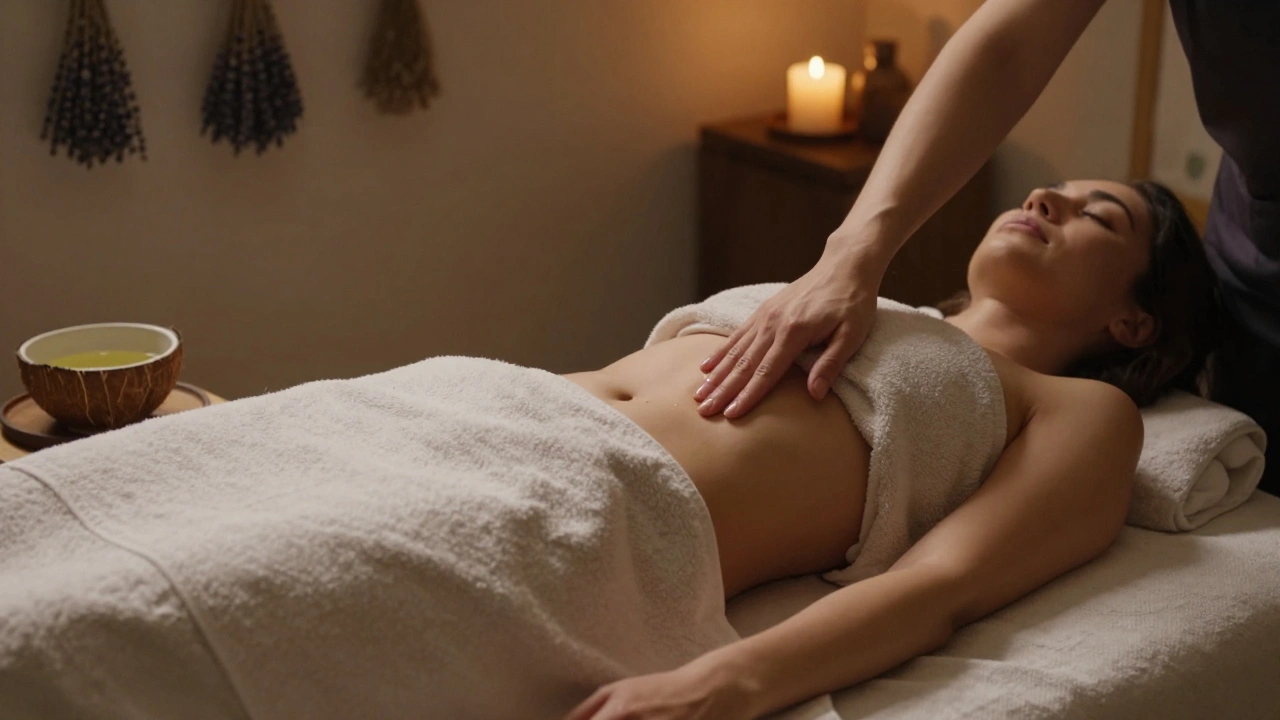
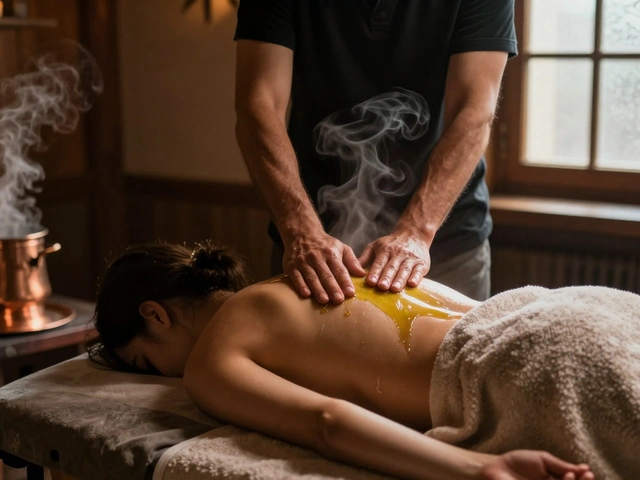
- Preparation - You’ll undress privately. The room is warm, dimly lit, with soft music or silence. A clean towel, warm oil (often coconut or jojoba), and water are nearby.
- Full-body grounding - The session usually begins with a full-body massage to help you relax. This isn’t optional-it’s essential. You can’t open your yoni if your whole body is clenched.
- Yoni touch - The practitioner uses one or two fingers, with oil, to gently stroke the outer lips, then slowly move inward. Pressure is light. Speed is slow. They’ll ask you constantly: ‘Is this okay?’ ‘Where do you feel it?’ ‘Do you want more or less?’
- Energy work - Some practitioners use breathwork or light hand placement on your lower abdomen to help release emotional blocks. You might feel warmth, tingling, or even tears. All normal.
- Closing - After 45-60 minutes, you’ll be given time to rest. You’ll be offered water, a warm blanket, and space to collect yourself. No rush.
Most first-timers say the hardest part isn’t the touch-it’s letting themselves be seen. That’s why the practitioner’s role is so important. They’re not a therapist, but they’re trained to hold space. No judgment. No agenda.

How to Find a Reputable Yoni Massage Practitioner in Istanbul
Not every ‘tantric therapist’ or ‘sensual healer’ is qualified. Here’s how to spot a real one:
- Look for credentials - Ask if they’ve trained with a recognized program like the Tantric Healing Institute or International School of Sacred Feminine. Avoid anyone who just calls themselves a ‘yoni masseuse’ without training.
- Check reviews - Read reviews from women, not men. Look for mentions of safety, boundaries, and emotional safety-not just ‘it felt amazing.’
- Ask about hygiene - They should use disposable gloves, clean linens, and medical-grade oil. No exceptions.
- Trust your gut - If you feel pressured, rushed, or like they’re trying to sell you more sessions upfront, walk away.
In Istanbul, many reputable practitioners work out of quiet studios in Nişantaşı, Beşiktaş, or Kadıköy. Some offer sessions in English. Don’t be afraid to ask. A good practitioner will welcome your questions.
Cost and Booking
Yoni massage isn’t cheap-and it shouldn’t be. This is therapeutic work, not a spa treat.
In Istanbul, a 60-minute session typically costs between 450 and 750 Turkish Lira (about $15-25 USD). Some practitioners offer packages: three sessions for 1,200 TL, five for 1,800 TL. These are worth it if you’re serious about healing.
Booking is usually done via email or WhatsApp. Don’t book over a public platform like Instagram. A professional will give you a direct contact and a clear cancellation policy. Most require 24-48 hours notice.
What You Should Never Do
Yoni massage is safe when done right. But here’s what can go wrong:
- Never try it with a partner who hasn’t been trained - Even if you’re in a loving relationship, untrained touch can trigger trauma or pain. This isn’t something to experiment with.
- Don’t rush it - One session won’t ‘fix’ years of disconnect. Healing takes time. Think of it like physical therapy for your soul.
- Avoid ‘quick fix’ retreats - A weekend ‘yoni awakening’ retreat sounds appealing, but real change comes from consistent, gentle practice-not intense bursts.
- Don’t use essential oils or homemade blends - Some oils (like tea tree, cinnamon, or citrus) can irritate sensitive tissue. Stick to plain coconut or jojoba oil unless your practitioner recommends otherwise.

Can You Do This at Home?
Yes-but only after you’ve had at least one professional session.
Self-yoni massage is a powerful tool. It helps you learn your own body’s language. But you need to know what safe, gentle touch feels like before you can replicate it.
Start with:
- Wash your hands. Trim your nails.
- Use a drop of coconut oil. Warm it between your fingers.
- Begin by massaging your inner thighs, belly, and lower back. Breathe deeply.
- Slowly move to the outer lips. Use one finger. Light pressure. Circle, don’t rub.
- Listen. If you feel tension, pause. If you feel numb, breathe into it.
- Stop when you’re done. No need to ‘go further.’
Do this once a week. Journal afterward. What did you feel? What came up? Over time, you’ll start to recognize patterns-where you hold shame, where you shut down, where you open.
FAQ: Your Questions About Yoni Massage Answered
Is yoni massage only for women who’ve had trauma?
No. While many women come to yoni massage after trauma, others come simply because they’ve never felt connected to their bodies. You don’t need a reason to honor yourself. If you’ve ever felt ashamed of your sexuality, or disconnected from pleasure, this is for you.
Will I orgasm during a yoni massage?
Sometimes. But it’s not the goal. Many women don’t orgasm at all. The focus is on sensation, not release. If an orgasm happens, it’s a side effect-not a success metric.
Is yoni massage legal in Turkey?
Yes, when performed by licensed therapists in private, non-commercial settings. In Turkey, therapeutic touch practices like this are protected under wellness and holistic health laws. Avoid any service offered in hotels, saunas, or massage parlors that also offer ‘happy endings’-those are illegal and unsafe.
How many sessions do I need?
There’s no set number. Some feel a shift after one. Others need five or six. Think of it like therapy: you go until you feel ready to stop. Most practitioners recommend starting with three sessions, spaced a week apart.
Can I bring my partner?
No. Yoni massage is a solo practice. It’s designed for you to reconnect with yourself, not to perform for someone else. If you want to explore intimacy together, look into couples tantric sessions-but those are completely different.
Ready to Begin?
You don’t need to be brave. You just need to be willing.
Yoni massage isn’t about becoming someone else. It’s about remembering who you already are-soft, strong, whole, and worthy of gentle touch. It’s not a luxury. It’s a return to yourself.
If you’ve been holding your breath, waiting for permission to feel again-this is your sign. Not tomorrow. Not next month. Now.
Find a practitioner. Book a session. Show up. And let your body remember what it’s been waiting to say.
This is the most respectful, well-researched guide I’ve ever read on this topic. No fluff, no fetishization-just clear, trauma-informed info. I’m sharing this with every woman I know who’s ever felt disconnected from her body.
ok but like… if its not about orgasm then why even do it?? i mean i get the ‘healing’ thing but isn’t that just a fancy way to say ‘touch your vagina slowly until you feel less sad’?? also why is everyone in istanbul doing this now?? is it a trend?? like yoga but for your privates?? 🤔
Hey Amanda, I get where you're coming from-it does sound weird if you’ve never experienced it. But think of it like physical therapy for your nervous system. You don’t go to a physio for a ‘result,’ you go because your body’s been holding tension for years. Same here. The orgasm thing? It’s like expecting to cry during a massage and being disappointed when you don’t. Sometimes you do. Sometimes you just feel… lighter. And that’s enough.
Also, it’s not just Istanbul. Women in Berlin, Portland, and even rural Tennessee are finding this. It’s not a trend-it’s a quiet revolution.
I’ve been doing this for two years now. First session I cried for 20 minutes. Didn’t even know I was holding that much grief down there. Now I do self-massage every Sunday morning with a drop of coconut oil and my favorite jazz playlist. No goal. Just presence. It’s the only thing that makes me feel truly at home in my body. If you’re curious, start slow. Don’t rush the healing. It’s not a race.
Legally practiced in Turkey. Not a sex service. Important distinction.
Bro this is life-changing. I read this and thought ‘this is for women’ but honestly? My wife did this and came back like a different person. Calmer. Present. Less reactive. I don’t do it myself but I’m learning to hold space for her to do it. We’re not ‘doing tantric couples stuff’-just letting her reclaim her body. And it’s beautiful. 🙏
Wait-so you’re telling me that a licensed therapist, using gloves, medical-grade oil, and trauma-informed protocols, is doing a slow, non-sexual pelvic massage… and it’s legal in Turkey? But if a guy in a hotel offers ‘happy endings’? Illegal? That’s not a loophole-that’s a system that actually makes sense. Finally.
While the intent behind this practice is commendable and the guidance is thorough, I must express caution regarding the normalization of such intimate therapeutic touch in public discourse. The language, though respectful, risks blurring boundaries between clinical somatic therapy and commodified wellness trends. Without stringent regulation, the potential for exploitation remains. I encourage readers to prioritize certified practitioners and to consider the cultural implications of adopting Eastern spiritual practices without contextual understanding.